Category Archives: Polyurethane Paint

Polyurethane vs. Gelcoat vs. Epoxy — Which Should You Use? (Boat Owner’s Guide)

Choosing the right marine coating can be confusing. Polyurethane, gelcoat, and epoxy each serve different purposes, and selecting the wrong system can lead to peeling, chalking, poor adhesion, or early failure. This guide clearly explains the strengths and weaknesses of each coating so you can choose the best option for your boat project.

If you’re still exploring paint systems in general, see our Marine Paint & Coatings Overview for primers, topside paint, antifouling, and specialty finishes.

What Is Polyurethane?

Marine polyurethane topside paint is a high-gloss, durable finish ideal for above-waterline surfaces. It offers outstanding UV resistance, long-term gloss retention, and a professional yacht-grade appearance.

  • Highly flexible and weather resistant
  • Exceptional color and gloss retention
  • Easy to clean and maintain

Best for: topsides, decks, trim, masts, metalwork, and refinishing aged gelcoat.

If you’re applying polyurethane for the first time, read our step-by-step guide: How to Apply Marine Polyurethane Without Brush Marks.

What Is Epoxy Paint?

Epoxy primers and epoxy barrier coats are extremely strong and adhesive coatings used as a base layer or waterproofing system. They bond exceptionally well to fiberglass, metal, and wood.

  • Superior adhesion and structural strength
  • Excellent waterproofing for blister prevention
  • Ideal as a base for polyurethane or antifouling coatings

Best for: fiberglass repairs, underwater protection, and hull barrier coat systems.

What Is Gelcoat?

Gelcoat is the high-build coating used in fiberglass boat construction. It creates a thick, durable surface when applied in a mold or during repairs.

  • High build and sandable
  • Buffs to a glossy shine
  • Less UV stable unless regularly maintained

Best for: new fiberglass work, mold repairs, and OEM-style finishes.

For localized repairs (not full refinishing), consider Gelcoat Repair Kits.

Comparison Chart

Feature Polyurethane Epoxy Gelcoat
UV Resistance ★★★★★ ★★★☆☆ ★★☆☆☆
Gloss Level ★★★★★ ★★☆☆☆ ★★★☆☆
Chemical Resistance High Very High Medium
Application Difficulty Moderate Moderate High
Best Use Topsides & Trim Primers & Underwater OEM Repairs

When to Choose Polyurethane

  • You want a yacht-grade glossy topside finish
  • Your gelcoat is faded or thinning
  • You need maximum UV and gloss retention

For more examples, see our guide: Top 10 Marine Uses for Polyurethane Paints & Coatings.

When to Choose Epoxy

  • You are rebuilding or repairing fiberglass
  • You need the strongest possible primer layer
  • You are protecting the hull with a moisture barrier

When to Choose Gelcoat

  • You are restoring or repairing molded fiberglass
  • You want an OEM-thick finish
  • You prefer a sandable and buffable finish

Which Coating Lasts Longest?

  1. Epoxy – best structural durability and waterproofing (must be topcoated)
  2. Polyurethane – best UV and weathering performance above the waterline
  3. Gelcoat – durable but prone to oxidation and chalking over time

FAQs

Can polyurethane go over gelcoat?

Yes. Sand the gelcoat to a uniform, dull finish, repair defects, and apply a compatible primer before polyurethane. Proper surface prep is essential for adhesion.

Is epoxy waterproof?

Yes. Epoxy forms an excellent moisture barrier and is commonly used as a hull barrier coat beneath antifouling or polyurethane paint.

Should I use gelcoat to refinish an old boat?

For full topside restoration, polyurethane paint is typically easier and offers better long-term UV resistance than rebuilding with gelcoat.

Can I use polyurethane below the waterline?

No. Polyurethane is not recommended for constant immersion. Use an epoxy barrier coat and a compatible antifouling paint instead.


Related Guides

Achieving Professional-Grade Results with Polyurethane Paint

Your boat is more than just a vessel; it’s an extension of your personality and a reflection of your passion for the water. Polyurethane paint offers a unique opportunity to not only protect your boat but also to make a bold statement on the water. With its durability, versatility, and aesthetic options, polyurethane paint is the go-to choice for boat owners looking to achieve a professional-grade finish. Here’s how you can customize your boat’s finish with polyurethane paint and bring your vision to life.

Why Polyurethane Paint?

Polyurethane paint stands out for its superior durability, gloss retention, and resistance to harsh marine environments. Its high-performance qualities make it ideal for boat surfaces exposed to saltwater, UV rays, and varying temperatures. But beyond protection, polyurethane paint offers unparalleled customization options, allowing you to create a unique look tailored to your boat.

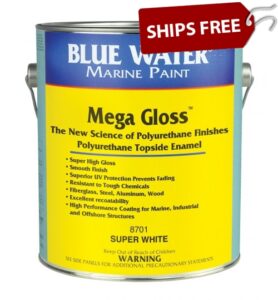
This widely used topside polyurethane enamel has tremendous resistance to tough chemicals, cleaning solutions and ultraviolet light with its advanced ultraviolet technology.

Customization Options with Polyurethane Paint

Choose Your Perfect Color Palette

Polyurethane paints are available in a wide range of colors, from vibrant blues and reds to subtle metallics and neutrals. Some manufacturers even offer custom color matching, so you can replicate a favorite shade or create a bespoke hue. Consider the following tips:

  • Stand Out or Blend In: Decide whether you want your boat to catch attention or blend seamlessly with the water.
  • Reflect Your Style: Match your boat’s color to your personal aesthetic, whether sleek and modern or bold and adventurous.
  • Practical Considerations: Opt for lighter colors to reduce heat absorption or darker shades for a striking look.

Play with Gloss Levels

Polyurethane paint allows for varying gloss levels, from high-gloss finishes that shine like glass to satin or matte finishes for a more subdued and modern appearance.

  • High-Gloss: Ideal for a premium, showroom-quality finish that emphasizes clean lines and smooth surfaces.
  • Satin/Matte: Perfect for a contemporary look, offering reduced glare and a softer aesthetic.

Experiment with Textures and Effects

Polyurethane paint is incredibly versatile, enabling you to incorporate textures and effects that set your boat apart.

  • Metallic or Pearlescent Effects: Add a touch of luxury and sophistication.
  • Non-Skid Additives: Enhance safety while maintaining a polished appearance.
  • Graphics and Designs: Use stencils or tape to create stripes, logos, or intricate designs.

Pro Tips for a Professional-Grade Finish

  1. Preparation is Key
    A flawless finish starts with proper preparation. Sand and clean the surface thoroughly, ensuring it’s free of dust, grease, and old paint. Use a high-quality primer to create a smooth base and improve adhesion.
  2. Invest in Quality Tools
    Use high-quality brushes, rollers, or spray equipment to apply the paint. Spray application is often preferred for an even, streak-free finish.
  3. Apply in Controlled Conditions
    Choose a well-ventilated space with consistent temperature and humidity levels. Avoid painting in direct sunlight or during windy conditions.
  4. Follow Manufacturer Instructions
    Polyurethane paint formulations vary, so it’s crucial to follow the manufacturer’s guidelines for mixing, application, and drying times.
  5. Seal the Deal with a Clear Coat
    For added durability and a polished look, finish with a clear polyurethane topcoat. This step enhances UV resistance and protects your design for years to come.

Maintenance Tips for Longevity

Once you’ve achieved the perfect finish, maintaining it is essential to keep your boat looking its best.

  • Wash Regularly: Use gentle, marine-safe cleaners to remove salt and grime.
  • Wax Periodically: Apply marine-grade wax to enhance gloss and protect the surface.
  • Inspect for Damage: Address chips or scratches promptly to prevent further deterioration.

Make Your Boat Unforgettable

Customizing your boat’s finish with polyurethane paint is a rewarding process that combines creativity with practicality. Whether you’re looking to make a bold statement or create a timeless look, the possibilities are endless. With the right approach and a bit of effort, you can achieve a professional-grade finish that turns heads and stands up to the elements.

Ready to bring your vision to life? Explore the wide selection of high-quality polyurethane paints at Bottom Paint Store and take the first step toward transforming your boat into a masterpiece.

What are the uses of Polyurethane?

Polyurethane is a versatile material that can be used for a variety of applications. It is commonly used in the construction and automotive industries, but it also has many uses in the marine industry. Polyurethane is used to make boat hulls, decks, and upholstery. It is also used to make boat parts that are resistant to salt water and sun damage.

KEY TAKEAWAY

What is polyurethane used for?

Polyurethane is a polymer that has many uses. It was first synthesized in 1937 by German chemist Otto Bayer. Today, it is used in a variety of industries, including boatmaking. When used as a boat coating, polyurethane helps to repel water and protect the hull from UV damage.

Boat Hulls

Polyurethane is often used to make boat hulls. Hulls made from polyurethane are strong and durable. They are also resistant to salt water and sun damage. Hulls are less likely to crack or break than hulls made from other materials.

Boat Decks

It is also commonly used to make boat decks. Decks made from polyurethane are strong and durable. They are also resistant to salt water and sun damage. Polyurethane decks are less likely to crack or break than decks made from other materials.

Boat Upholstery

Boat upholstery is often made from polyurethane. Upholstery made from polyurethane is usually strong and durable. It is also resistant to salt water and sun damage and is less likely to crack or break than upholstery made from other materials.

Polyurethane Advantages and Disadvantages

Polyurethane has a number of advantages over other types of plastics, including its durability, flexibility, and resistance to chemicals and heat. Excellent abrasion, corrosion, and impact resistance. However, polyurethane also has a number of disadvantages, such as its tendency to yellow and crack over time. Polyurethane is also flammable, making it a potential safety hazard. Despite its drawbacks, polyurethane remains a popular choice for many applications due to its unique properties.

Polyurethane Product Examples

liquid urethan kits
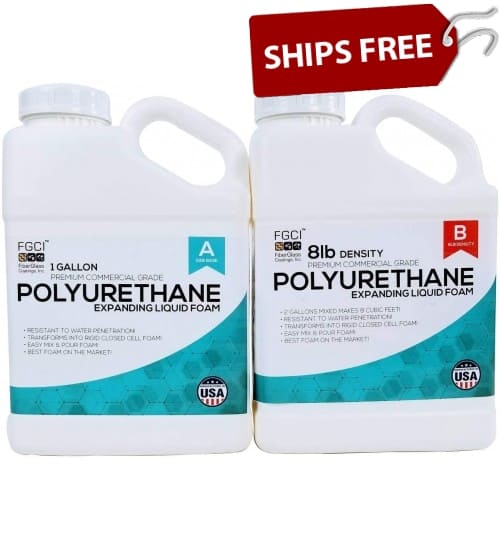
Polyurethane expanding liquid foam has a lot of uses.


Due to being a versatile plastic, polyurethane can be used to make a wide variety of products, from cushions and Insulation to car parts and medical implants. While it is most commonly used in the manufacturing of flexible foam products, it can also be used to create rigid plastics, elastomers, and coatings. Some common examples of polyurethane products include spray foam insulation, upholstery foam, shoe soles, and hard plastic objects like skateboard wheels. Polyurethane is an extremely versatile material with a wide range of properties, making it an ideal choice for a variety of applications. Thanks to its flexibility and durability, it is one of the most commonly used plastics in the world.


How do you calculate the density of polyurethane foam

Polyurethane foam is a type of polymer that has a wide range of applications, from insulation to padding. It is made by combining two chemicals, polyol and diisocyanate. The ratio of these two chemicals determines the density of the foam. To calculate the density of polyurethane foam, divide the weight of the foam by its volume. The resulting number is the density of the foam in pounds per cubic foot. Keep in mind that the density of polyurethane foam can vary depending on its intended use. For example, softer foams are often used in mattresses and upholstery, while denser foams are used in insulation and packaging.

Final thoughts

Polyurethane is a versatile material that can be used for a variety of applications in the marine industry. It is commonly used to make boat hulls, decks, and upholstery. Polyurethane is also used to make boat parts that are resistant to salt water and sun damage. If you are looking for a durable material for your next boating project, consider using polyurethane. And if you have any questions contact the Bottom Paint Store customer service team Monday through Friday 9-5p.m. 888.555.2313.