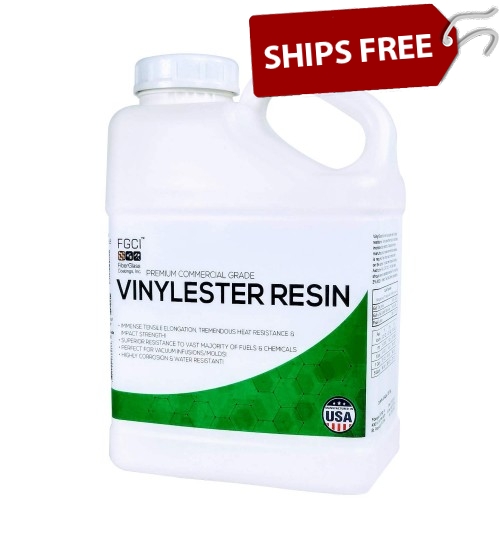
Boat repair often involves resin and selecting the right resin is a crucial element for strengthening repairs and ensuring their longevity. There are several types of resin used in boat repair, each with its own advantages and drawbacks. Polyester resin, a thermosetting resin that hardens when exposed to heat or a catalyst, is popular due to its affordability and ease of use. However, it may not be as strong or durable as other options and can be prone to cracking and shrinking over time.
What Resin Should You Use for Boat Repair?
For most fiberglass boat repairs, epoxy resin is often the best choice when strength, adhesion, and water resistance are the top priorities. Polyester resin is commonly used for gelcoat-compatible repairs and general fiberglass work, while vinylester resin offers strong water resistance and is often used as a middle ground between polyester and epoxy.
Quick Answer: What Is the Best Resin for Boat Repair?
Epoxy resin is often the best resin for boat repair when strength, adhesion, and water resistance are the top priorities. It bonds well to properly prepared fiberglass, wood, and many marine repair surfaces, making it a strong choice for structural repairs, below-waterline repairs, core repairs, and high-strength bonding.
Polyester resin is commonly used for general fiberglass repairs and gelcoat-compatible work, while vinylester resin is often used when better moisture resistance is needed than standard polyester resin provides. The best resin depends on the repair location, surface material, damage type, and final finish.
Best Resin Choice by Boat Repair Type
| Boat Repair Type | Best Resin Choice | Why It Works |
|---|---|---|
| Structural fiberglass repair | Epoxy resin | Provides strong adhesion and high-strength bonding for damaged fiberglass areas. |
| Below-waterline repair | Epoxy resin or vinylester resin | Both are commonly used where water resistance and strong bonding are important. |
| Gelcoat-compatible repair | Polyester resin | Polyester resin is commonly used with traditional gelcoat systems. |
| Osmotic blister repair | Epoxy resin or vinylester resin | These resins are often chosen for moisture-prone fiberglass repairs. |
| Wood bonding or wood boat repair | Epoxy resin | Epoxy bonds well to wood and can help seal and reinforce wood repairs. |
| Small cosmetic fiberglass repair | Polyester resin, gelcoat repair material, or epoxy filler | The best option depends on whether the repair will be finished with gelcoat or paint. |
| Cost-conscious fiberglass work | Polyester resin | Polyester is widely used, economical, and suitable for many standard fiberglass repairs. |
| High-moisture fiberglass repair | Vinylester resin | Vinylester offers better water resistance than standard polyester and can be useful for underwater repair systems. |
Epoxy vs Polyester vs Vinylester Resin for Boat Repair
| Feature | Epoxy Resin | Polyester Resin | Vinylester Resin |
|---|---|---|---|
| Best Use | Structural repairs, bonding, wood repair, core repair, and below-waterline work | General fiberglass repair, laminating, and gelcoat-compatible repairs | Blister repair, underwater fiberglass work, and moisture-resistant repairs |
| Adhesion | Excellent | Moderate | Good |
| Water Resistance | Excellent | Moderate | Very good |
| Gelcoat Compatibility | May require special preparation or compatible tie-coat before gelcoat | Generally compatible with traditional gelcoat systems | Often more gelcoat-compatible than epoxy, depending on the system |
| Ease of Use | Good, but accurate measuring and mixing are important | Good for many common fiberglass and gelcoat repairs | Moderate; often used for more specific moisture-resistant repair needs |
| Cost | Usually higher | Usually lower | Usually between polyester and epoxy |
| Best Overall Repair Resin | Often the best choice for strength and adhesion | Best for economical gelcoat-compatible fiberglass work | Best middle-ground option for moisture resistance and fiberglass repair |
When Epoxy Resin Is the Best Choice
Epoxy resin is usually the best choice when the repair needs maximum adhesion, strength, or water resistance. It is commonly used for structural fiberglass repairs, bonding hardware, repairing cores, sealing wood, reinforcing damaged areas, and many below-waterline repair projects.
Epoxy is especially useful when bonding to cured fiberglass or wood. However, if the repair will be finished with gelcoat, check the manufacturer’s instructions because gelcoat may not bond directly to epoxy without proper surface preparation or a compatible coating system.
When Polyester Resin Is the Best Choice
Polyester resin is a common choice for general fiberglass repair, laminating, and repairs that will be finished with gelcoat. It is widely used in fiberglass boatbuilding and is often more economical than epoxy resin.
Polyester resin can be a good fit for cosmetic fiberglass repairs, gelcoat-compatible repairs, and projects where matching a traditional fiberglass and gelcoat system is important. However, it usually does not bond as strongly to cured fiberglass as epoxy resin.
When Vinylester Resin Is the Best Choice
Vinylester resin is often used when improved water resistance is needed compared with standard polyester resin. It can be a good choice for blister repair, underwater fiberglass work, and repairs where moisture resistance is important.
Vinylester is often viewed as a middle ground between polyester and epoxy. It can provide better moisture resistance than polyester while still being useful in fiberglass laminating and certain gelcoat-related repair systems.
What to Consider Before Choosing Resin for Boat Repair
Before choosing a boat repair resin, identify whether the repair is cosmetic or structural, above or below the waterline, and whether the final finish will be gelcoat, primer, barrier coat, topside paint, or bottom paint. The best resin is the one that matches the repair, not simply the strongest or most expensive option.
You should also consider the existing material. Fiberglass, wood, old gelcoat, cured laminate, and previously painted surfaces may each require different preparation. Proper sanding, cleaning, measuring, mixing, and curing are just as important as choosing the resin itself.
Common Questions About the Best Resin for Boat Repair
Is epoxy resin the best resin for boat repair?
Epoxy resin is often the best choice for boat repair when strength, adhesion, and water resistance are most important. It is commonly used for structural repairs, wood repairs, core repairs, bonding, and many below-waterline applications.
Is polyester resin good for boat repair?
Yes, polyester resin is commonly used for fiberglass boat repair, especially when the repair will be finished with gelcoat. It is economical and widely used for laminating and general fiberglass work, but it usually does not bond as strongly to cured fiberglass as epoxy resin.
Is vinylester resin good for boat repair?
Yes, vinylester resin can be a good choice for boat repairs where improved moisture resistance is needed. It is often used for blister repair, below-waterline fiberglass work, and projects where better water resistance than standard polyester resin is desired.
What resin should I use below the waterline?
Epoxy resin or vinylester resin is often used for below-waterline repairs because both can provide strong bonding and improved moisture resistance. The repaired area may also need fairing, barrier coat, primer, or bottom paint depending on the project.
What resin should I use with gelcoat?
Polyester resin is commonly used with traditional gelcoat systems. Gelcoat may not bond directly over epoxy unless the surface is properly prepared and the products are compatible. If the repair must be gelcoated, check the product instructions before choosing the resin.
Can I use epoxy resin on a fiberglass boat?
Yes, epoxy resin is widely used on fiberglass boats. It bonds well to properly prepared fiberglass and is often chosen for structural repairs, reinforcement, bonding, and below-waterline repair work.
Can I use polyester resin over epoxy?
Polyester resin does not always bond well over cured epoxy. If you need to apply polyester resin, gelcoat, or another polyester-based product over epoxy, follow the manufacturer’s compatibility and surface preparation instructions carefully.
Do I need fiberglass cloth with resin?
Fiberglass cloth, mat, or tape is needed when the repair requires strength or reinforcement. Resin alone may seal or fill small areas, but holes, cracks, laminate damage, and structural repairs usually need fiberglass reinforcement.
What happens if resin is mixed incorrectly?
Incorrectly mixed resin may stay soft, cure too quickly, overheat, become brittle, or fail to bond properly. Always measure carefully, mix thoroughly, and follow the manufacturer’s recommended resin-to-hardener or catalyst ratio.
What is the easiest resin for DIY boat repair?
The easiest resin depends on the repair. Epoxy resin is often user-friendly for strong bonding and repairs when measured correctly. Polyester resin is common for gelcoat-compatible fiberglass work. For small repairs, a complete repair kit may be easier than buying separate resin, hardener, fillers, and reinforcement.
Recommended Resin Boat Repair Products and Supplies
Bottom Paint Store carries epoxy resin, polyester resin, vinylester resin, hardeners, MEKP catalyst, fiberglass cloth, fiberglass mat, fiberglass tape, marine fillers, fairing compounds, gelcoat repair products, primers, barrier coats, sandpaper, mixing cups, spreaders, brushes, gloves, and related fiberglass repair supplies. The right product depends on the repair size, surface material, repair location, and final coating system.
The right resin depends on the type of repair, the existing boat material, whether the repair is above or below the waterline, and how the surface will be finished. Small cosmetic repairs, structural fiberglass repairs, and below-waterline repairs may all require different resin systems.
Best Resin Choice by Boat Repair Type
| Repair Type | Recommended Resin | Why It Works |
|---|---|---|
| General fiberglass repair | Epoxy or polyester resin | Both can be used for fiberglass work, but epoxy usually provides stronger adhesion while polyester is commonly used with gelcoat systems. |
| Below-waterline repairs | Epoxy resin or vinylester resin | These resins are often preferred where water resistance and strong bonding are important. |
| Small cracks, chips, and cosmetic damage | Polyester resin, gelcoat repair material, or epoxy filler | The best choice depends on whether the repair will be finished with gelcoat, paint, or another coating. |
| Structural fiberglass repairs | Epoxy resin | Epoxy is often chosen for high-strength bonding and reinforcing fiberglass cloth or fabric. |
| Gelcoat-compatible repairs | Polyester resin | Polyester resin is commonly used when the repair will be finished with traditional gelcoat. |
| Osmotic blister repair | Epoxy or vinylester resin | Both are commonly used in repair systems where moisture resistance is important. |
| Wood bonding or core repair | Epoxy resin | Epoxy bonds well to wood, fiberglass, and many repair surfaces when properly prepared. |
| Cost-conscious fiberglass work | Polyester resin | Polyester is typically more economical and widely used for many standard fiberglass repairs. |
Epoxy vs Polyester vs Vinylester Resin
| Resin Type | Best For | Considerations |
|---|---|---|
| Epoxy Resin | Strong repairs, bonding, below-waterline work, wood repairs, fiberglass reinforcement, and structural applications | Excellent adhesion and water resistance, but gelcoat may not bond directly without special preparation or compatible tie-coats. |
| Polyester Resin | General fiberglass repair, gelcoat-compatible repairs, laminating, and cost-conscious projects | Common and economical, but usually does not bond as strongly to cured fiberglass as epoxy. |
| Vinylester Resin | Blister repair, underwater repairs, fiberglass laminating, and projects needing better water resistance than polyester | Often considered a performance upgrade from polyester, but may be less commonly used by DIY boat owners than epoxy or polyester. |
What to Consider Before Choosing Boat Repair Resin
Before choosing a resin, identify the repair location, surface material, depth of damage, and final finish. A repair above the waterline may have different requirements than a repair below the waterline. A cosmetic gelcoat repair may also require a different system than a structural fiberglass repair.
If the repair will be finished with gelcoat, polyester resin is often easier to match with traditional gelcoat systems. If the repair requires maximum adhesion, strength, or water resistance, epoxy resin is often the better choice. For blister repair or underwater fiberglass work, vinylester resin may also be worth considering.
Basic Resin Boat Repair Steps
| Step | What to Do | Why It Matters |
|---|---|---|
| 1. Inspect the damage | Determine whether the damage is cosmetic, structural, above the waterline, or below the waterline. | The location and severity of the damage determine which resin and repair method to use. |
| 2. Remove loose or damaged material | Grind, sand, or cut away cracked, loose, wet, or damaged fiberglass. | Resin needs a stable, clean surface to bond properly. |
| 3. Clean and dry the surface | Remove wax, oil, dirt, salt, dust, moisture, and contaminants. | Contamination can cause poor bonding or repair failure. |
| 4. Choose the right resin and reinforcement | Select epoxy, polyester, or vinylester resin and pair it with fiberglass cloth, mat, or filler as needed. | The resin system must match the repair type and desired finish. |
| 5. Mix according to directions | Measure resin and hardener or catalyst carefully and mix thoroughly. | Incorrect ratios can cause weak repairs, cure problems, or wasted material. |
| 6. Apply resin and fiberglass | Wet out fiberglass cloth or mat and build the repair in layers as needed. | Proper wet-out and layering help restore strength to the damaged area. |
| 7. Allow the repair to cure | Let the resin cure fully according to the product instructions. | Sanding, fairing, or coating too soon can weaken the repair or create finish problems. |
| 8. Sand, fair, and finish | Sand the repair smooth, fair the surface, and finish with gelcoat, primer, paint, barrier coat, or bottom paint as needed. | The finish protects the repair and helps it blend into the surrounding surface. |
Best Resin for Boat Repair Selection Checklist
- Identify whether the repair is cosmetic or structural
- Confirm whether the repair is above or below the waterline
- Determine whether the final finish will be gelcoat, paint, barrier coat, or bottom paint
- Choose epoxy resin for strong adhesion, wood bonding, and high-strength repairs
- Choose polyester resin for many traditional fiberglass and gelcoat-compatible repairs
- Choose vinylester resin when improved moisture resistance is important
- Use fiberglass cloth, mat, or tape when reinforcement is needed
- Measure resin, hardener, or catalyst carefully
- Allow the resin to fully cure before sanding, fairing, coating, or launching
Common Questions About Resin for Boat Repair
What is the best resin for fiberglass boat repair?
Epoxy resin is often the best choice when strength, adhesion, and water resistance are most important. Polyester resin is commonly used for general fiberglass repairs and gelcoat-compatible work. Vinylester resin is often used when better water resistance is needed than standard polyester resin provides.
Can I use epoxy resin on a fiberglass boat?
Yes, epoxy resin is widely used for fiberglass boat repairs. It bonds well to properly prepared fiberglass and is often used for structural repairs, below-waterline repairs, core repairs, and high-strength bonding applications.
Can I use polyester resin for boat repair?
Yes, polyester resin is commonly used for fiberglass boat repair, especially when the repair will be finished with gelcoat. It is economical and widely used for laminating and general fiberglass work, but it may not bond as strongly to cured fiberglass as epoxy resin.
What is the difference between epoxy and polyester resin?
Epoxy resin generally provides stronger adhesion and better water resistance, making it a strong choice for demanding repairs. Polyester resin is more economical and commonly used in traditional fiberglass and gelcoat systems. The better choice depends on the repair type and final finish.
Can you put gelcoat over epoxy resin?
Gelcoat does not always bond well directly over cured epoxy unless the surface is prepared correctly and the products are compatible. If the repair will be finished with gelcoat, check the manufacturer’s instructions or consider using a resin system designed for gelcoat compatibility.
Is vinylester resin better than polyester resin?
Vinylester resin usually offers better water resistance and performance than standard polyester resin. It is often used for blister repair, underwater repairs, and projects where moisture resistance is important. Polyester resin may still be suitable for many general fiberglass repairs.
Do I need fiberglass cloth with resin?
You need fiberglass cloth, mat, or fabric when the repair requires strength or reinforcement. Resin alone can seal or fill certain small areas, but fiberglass reinforcement is usually needed for holes, cracks, structural damage, or laminate repairs.
How long does boat repair resin take to cure?
Cure time depends on the resin type, temperature, humidity, hardener or catalyst ratio, and thickness of the repair. Always follow the manufacturer’s directions before sanding, fairing, painting, applying gelcoat, or launching the boat.
Can resin be used below the waterline?
Yes, resin can be used for below-waterline repairs when the correct resin system is selected and the repair is sealed and finished properly. Epoxy and vinylester systems are commonly considered for moisture-prone repairs, followed by the proper barrier coat or bottom paint system when needed.
What happens if resin is mixed incorrectly?
Incorrectly mixed resin may cure too slowly, remain soft or sticky, become brittle, overheat, or fail to bond properly. Measure carefully, mix thoroughly, and follow the product’s recommended ratio and working time.
Recommended Resin Boat Repair Products and Supplies
Bottom Paint Store carries epoxy resin, polyester resin, vinylester resin, fiberglass cloth, fiberglass mat, hardeners, MEKP catalyst, fillers, fairing compounds, gelcoat repair products, primers, barrier coats, bottom paints, sandpaper, mixing supplies, and application tools for fiberglass boat repair. The right product depends on the repair size, location, surface material, and final coating system.
Vinyl ester resin is a step up in terms of strength and durability. It offers better resistance to moisture and chemicals, making it suitable for boats exposed to harsh marine environments. Although more expensive than polyester resin, vinyl ester resin provides a longer-lasting repair. Epoxy resin is considered the best option for boat repair due to its exceptional strength, durability, and adhesive properties. It forms a strong bond with fiberglass and other materials, making it ideal for high-stress areas of the boat. Epoxy resin is also highly resistant to moisture and chemicals, providing long-lasting protection against water intrusion and osmotic blistering.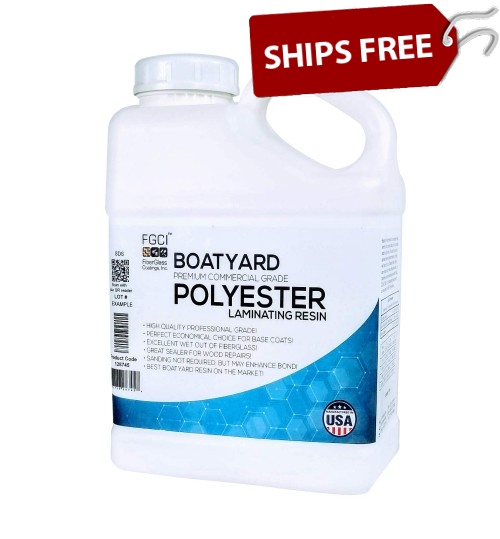
When choosing a resin for boat repair, it is essential to consider the specific requirements of the repair and the desired performance characteristics. Polyester resin is suitable for small repairs and projects where cost is a significant factor. Vinyl ester resin offers better performance and durability, making it suitable for more extensive repairs or boats exposed to harsh environments. Epoxy resin is the premium choice for boat repair, providing unmatched strength and longevity.
Resin Boat Repair Supply Checklist
- Epoxy, polyester, or vinylester resin
- Hardener or MEKP catalyst, depending on the resin system
- Fiberglass cloth, mat, or tape
- Marine filler or fairing compound
- Surface cleaner or dewaxer
- Sandpaper and sanding blocks
- Mixing cups, stir sticks, spreaders, and disposable brushes
- Gloves, eye protection, and proper ventilation
- Gelcoat, primer, barrier coat, topside paint, or bottom paint for finishing
The best resin for boat repair depends on your specific needs and the outcome you are looking for. Polyester resin is affordable and is easy to use. Vinyl ester resin offers better resistance to moisture and chemicals however it is more expensive. Epoxy resin is the top choice for boat repair, providing exceptional strength, durability, and adhesive properties. By understanding the characteristics of each resin type, boat owners can make informed decisions to ensure their repairs are strong, durable, and long-lasting. If you need any assistance selecting the right resin for your boat feel free to contact the our customer service team 888-505-2313.