Category Archives: Boat Paint

How Do Barnacles Affect Boat Performance?

Barnacles may look like a minor maintenance problem, but they can have a major effect on how a boat performs.

Quick Answer

Barnacles can reduce boat speed, increase drag and fuel consumption, affect handling, and damage underwater surfaces if they are allowed to build up.

Even relatively small amounts of marine growth can disturb the smooth flow of water across the hull.

As barnacles accumulate, the boat has to work harder to move through the water. That can mean slower speeds, higher fuel use, and more strain on the engine and drivetrain.

Antifouling bottom paint is one of the primary ways boat owners help prevent barnacles and other marine organisms from attaching to submerged surfaces.

What Happens When Barnacles Grow on a Boat?

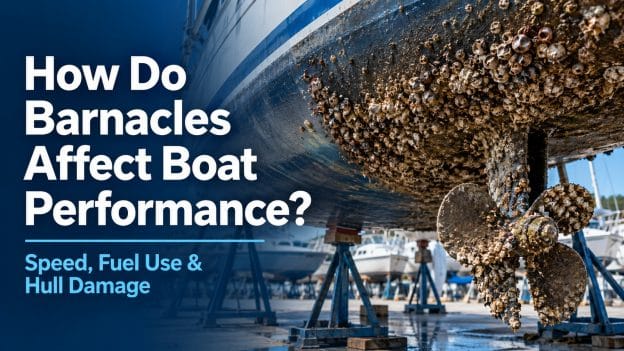
Barnacles attach themselves to submerged surfaces and form hard shells that create a rough, uneven surface.

On a clean hull, water flows relatively smoothly along the bottom of the boat.

Once barnacles, slime, algae, and other marine growth begin accumulating, that smooth flow is disrupted.

The result is increased hydrodynamic drag.

That additional resistance can affect:

  • Boat speed
  • Fuel economy
  • Acceleration
  • Handling
  • Engine workload
  • Propeller efficiency

The heavier the growth becomes, the greater the potential impact on performance.
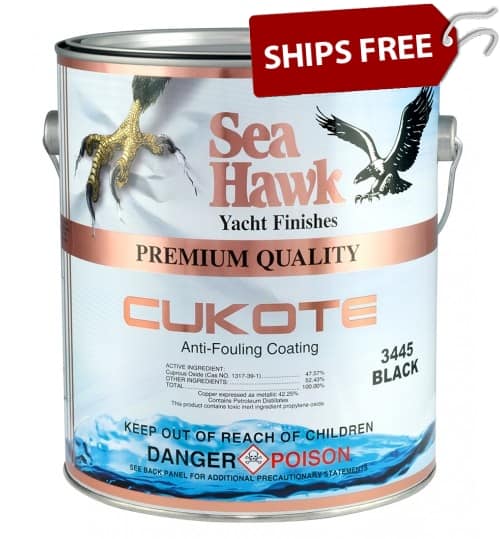
 

Sea Hawk Cukote bottom paint is an ablative, self-polishing antifouling paint that uses an enhanced, copolymer, biocide release mechanism.

Do Barnacles Slow a Boat Down?

Yes.

Barnacles create drag by making the underwater surface of the boat rougher.

A smooth hull moves through the water efficiently. A hull covered with barnacles and marine growth creates turbulence and additional resistance.

As a result, a boat may:

  • Take longer to get on plane
  • Lose top-end speed
  • Accelerate more slowly
  • Require more throttle to maintain cruising speed

The performance loss becomes more noticeable as fouling increases.

Do Barnacles Increase Fuel Consumption?

They can.

When marine growth increases hull resistance, the engine must produce more power to maintain the same speed.

That means the boat may burn more fuel for the same trip.

A boat owner may notice that:

  • Normal cruising speed requires more throttle
  • Fuel consumption increases
  • Engine RPM may be higher than usual for a given speed
  • Range between fuel stops decreases

If fuel economy suddenly worsens and there are no obvious mechanical problems, hull and running-gear fouling should be considered.
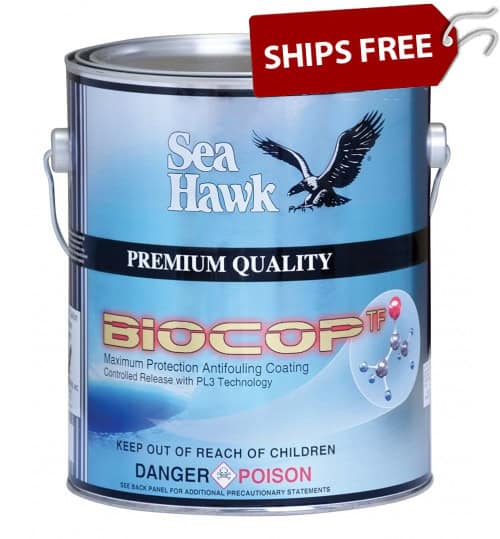
Biocop TF was developed as an alternative to tin-based antifouling paints to protect against the harshest marine environments.

Can Barnacles Affect Boat Handling?

Yes.

Heavy or uneven marine growth can affect the way a boat moves through the water.

Barnacles may contribute to:

  • Reduced responsiveness
  • Slower acceleration
  • Difficulty reaching normal cruising speed
  • Increased vibration
  • Changes in steering feel

Growth on rudders, trim tabs, struts, and other underwater components can also reduce their effectiveness.

Can Barnacles Damage a Boat Hull?

Barnacles generally cause more performance problems than structural damage, but they can still create maintenance issues.

Their shells attach strongly to surfaces.

Removing heavily attached barnacles can sometimes damage:

  • Bottom paint
  • Gelcoat
  • Protective coatings
  • Primers
  • Painted metal surfaces

Aggressive scraping can make the problem worse by damaging the surface underneath.

If barnacles are repeatedly allowed to build up, removing them can become more difficult and more expensive.
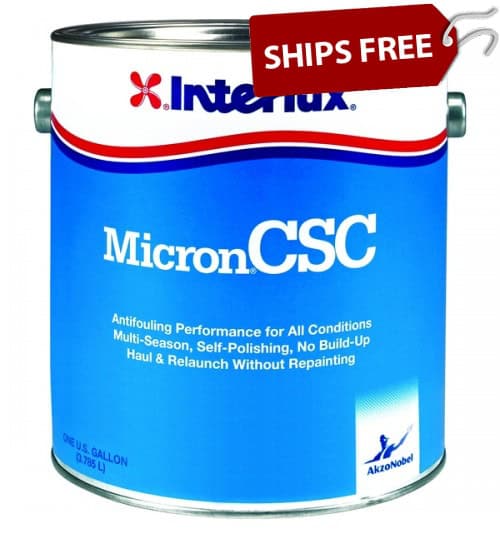
 

Interlux Micron CSC  is a popular multi-season ablative paint that provides ongoing antifouling protection while gradually wearing away during use.

Can Barnacles Damage Propellers and Running Gear?

Barnacles can be particularly troublesome on underwater hardware.

They can grow on:

  • Propellers
  • Shafts
  • Struts
  • Rudders
  • Trim tabs
  • Outdrives
  • Lower units

Growth on a propeller can interfere with smooth water flow across the blades.

This may lead to:

  • Reduced propeller efficiency
  • Slower acceleration
  • Vibration
  • Higher engine load
  • Reduced top speed

Even if the hull is relatively clean, heavily fouled running gear can significantly affect performance.

How Quickly Can Barnacles Grow on a Boat?

Barnacle growth varies widely depending on environmental conditions.

Fouling tends to be heavier in areas with:

  • Warm water
  • High nutrient levels
  • Strong marine growth
  • Long periods of boat inactivity
  • Saltwater or brackish water
  • Limited water movement in marinas or canals

Some boats can begin developing noticeable marine growth surprisingly quickly when conditions are favorable.

This is why local boating conditions are important when selecting an antifouling paint.

Why Do Some Boats Get More Barnacles Than Others?

Two boats kept in the same general area can experience very different levels of fouling.

Factors include:

Water Temperature

Warmer water often supports faster marine growth.

Water Salinity

Saltwater and brackish water support many fouling organisms, including barnacles.

Boat Usage

A boat that sits unused for long periods may experience more growth than a boat that moves frequently.

Marina Conditions

Water circulation, sunlight, nutrients, and nearby structures can all influence fouling.

Type of Bottom Paint

Antifouling paints use different technologies and active ingredients.

A paint that performs well in moderate-fouling freshwater may not provide enough protection in a high-fouling coastal environment.

Do Barnacles Grow on Boats That Are Used Frequently?

Yes, although regular use can sometimes help reduce certain types of growth.

Boat movement creates water flow across the hull.

With some ablative bottom paints, this movement also helps wear away the outer surface of the coating and expose fresh antifouling material.

However, regular use does not guarantee that barnacles will not form.

If the antifouling coating is worn out or not appropriate for local conditions, marine growth can still develop.

How Do You Remove Barnacles From a Boat?

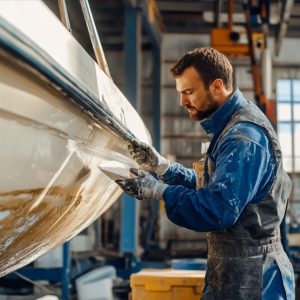
Barnacles should be removed carefully to avoid damaging the hull or protective coating.

Depending on the severity of the growth, removal may involve:

  1. Hauling the boat out of the water.
  2. Pressure washing the hull while growth is still wet.
  3. Carefully scraping remaining barnacles.
  4. Inspecting the bottom paint and underlying surface.
  5. Repairing damaged or worn areas before relaunching.

Heavy scraping can damage bottom paint or gelcoat, so avoid using excessive force.

If the coating underneath the barnacles is failing, additional preparation may be required before repainting.

Should You Remove Barnacles While the Boat Is in the Water?

Some boat owners have hulls cleaned by professional divers.

Whether underwater cleaning is appropriate depends on:

  • The type of bottom paint
  • Local environmental regulations
  • The severity of the growth
  • The condition of the coating

Aggressive underwater cleaning can remove or damage some antifouling paints.

Always follow the bottom-paint manufacturer’s cleaning recommendations.

How Do You Prevent Barnacles From Growing on a Boat?

The most common method is applying antifouling bottom paint to surfaces that remain underwater.

Antifouling coatings are designed to discourage marine organisms from attaching to the hull.

To improve protection:

  • Select a bottom paint appropriate for local fouling conditions.
  • Apply the recommended number of coats.
  • Follow surface-preparation instructions carefully.
  • Apply extra paint to high-wear areas when recommended.
  • Observe proper launch and recoat windows.
  • Inspect the hull regularly.
  • Repaint when the antifouling coating begins losing effectiveness.

Proper application is just as important as choosing the right paint.

What Is the Best Bottom Paint for Preventing Barnacles?

There is no single best antifouling paint for every boat.

The correct choice depends on:

  • Freshwater vs. saltwater
  • Local fouling pressure
  • Boat speed
  • How often the boat is used
  • Hull material
  • Seasonal vs. year-round use
  • Whether the boat is stored in or out of the water

Ablative Bottom Paint

Ablative paints gradually wear away during use, exposing fresh antifouling material.

They are popular with many recreational boat owners because they can reduce paint buildup over time.

Hard Bottom Paint

Hard antifouling paints form a durable coating and are commonly used on faster boats or boats that are used frequently.

Multi-Season Bottom Paint

Some antifouling coatings are designed to provide protection across multiple boating seasons when properly applied and maintained.

Aluminum-Safe Bottom Paint

Aluminum boats require antifouling coatings specifically approved for aluminum.

Traditional copper-based bottom paints should not be applied directly to aluminum unless the product is specifically designed and approved for that use.

How Do You Know If Your Bottom Paint Is No Longer Preventing Barnacles?

Increasing fouling is one of the clearest signs that your antifouling protection may be weakening.

Other warning signs include:

  • Barnacles appearing sooner than before
  • Heavy slime or algae buildup
  • Thin or worn areas of paint
  • Exposed primer or substrate
  • Peeling or flaking paint
  • Worn areas along leading edges and waterlines

If the hull begins fouling much faster than it did previously, it may be time to inspect or repaint the bottom.

Can Bottom Paint Completely Eliminate Barnacles?

No antifouling coating can guarantee that a boat will remain completely free of marine growth under every condition.

Bottom paint is designed to reduce and control fouling.

Performance depends on:

  • Correct product selection
  • Proper application
  • Coating thickness
  • Water conditions
  • Boat usage
  • Age of the coating

Periodic inspection and maintenance are still necessary.

Barnacles vs. Slime and Algae: What Is the Difference?

Marine fouling includes several types of organisms.

Slime

Slime is usually soft biological growth that develops on submerged surfaces.

Algae

Algae can form green, brown, or darker growth on the hull.

Barnacles

Barnacles are hard-shelled organisms that firmly attach themselves to submerged surfaces.

Barnacles are particularly troublesome because they create substantial surface roughness and can be difficult to remove.

A good antifouling strategy should address the types of fouling common in the waters where the boat is kept.

Frequently Asked Questions

Can a few barnacles really affect boat performance?

Yes. Even relatively light fouling increases surface roughness and drag. The effect becomes progressively greater as barnacle growth increases.

Why is my boat slower even though the engine seems fine?

A fouled hull or propeller can reduce boat speed even when the engine is operating normally. Inspect underwater surfaces for barnacles, slime, and other marine growth.

Will barnacles fall off when the boat goes faster?

Do not rely on boat speed to remove barnacles. Once established, barnacles can attach very firmly to underwater surfaces.

Does freshwater have barnacles?

Traditional marine barnacles are primarily associated with saltwater and brackish environments, but freshwater boats can still experience substantial fouling from algae, slime, mussels, and other organisms.

Does bottom paint kill barnacles?

Antifouling paint is intended to prevent or discourage marine organisms from successfully attaching and growing on submerged surfaces. Its effectiveness depends on the paint technology, condition of the coating, and local fouling environment.

How often should you repaint bottom paint to prevent barnacles?

There is no single schedule for every boat. Many boat owners inspect or repaint every season or every one to two years, depending on the antifouling product, water conditions, and coating performance.

Bottom Line

Barnacles affect boat performance primarily by increasing underwater drag.

As marine growth builds up, a boat may:

  • Lose speed
  • Burn more fuel
  • Accelerate more slowly
  • Handle less efficiently
  • Experience propeller or running-gear problems

Preventing fouling is usually easier and less expensive than removing heavy barnacle growth later.

A properly selected and correctly applied antifouling bottom paint can help reduce barnacle attachment and keep your boat performing more efficiently.

Bottom Paint Store offers a wide range of ablative, hard, multi-season, and aluminum-safe antifouling paints for different boats, hull materials, and fouling conditions. If you need any assistance selecting the right product for your needs, please contact us 888-505-2313 M-F 9-5 EST.
best paint for a fishing boat

Best Paint and Colors for Fishing Boats

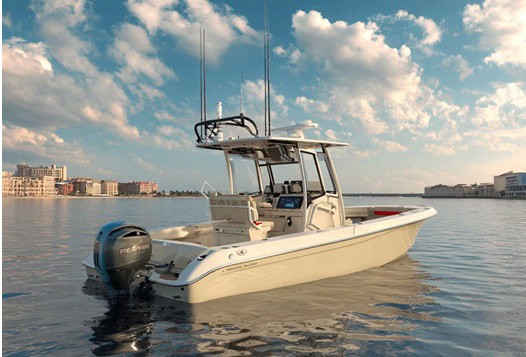
Fishing boats are workhorses—constantly exposed to salt, sun, and tough conditions. That’s why choosing the right paint (and color) is critical, not just for looks, but for long-lasting protection and performance. At Bottom Paint Store, we carry top marine paint brands designed to keep your fishing boat in peak shape, season after season.

Below we’ll cover the best paints and colors for fishing boats, including antifouling (below the waterline), topside paints, and practical deck finishes.

Recommended Paints for Fishing Boats

Antifouling Paint (Below the Waterline)

Fishing boats often sit docked for long stretches, making them prone to fouling. Antifouling paint helps prevent barnacles, algae, and slime.

Sea Hawk Cukote – A long-lasting self-polishing antifouling for heavy fouling waters.

Colors: Black, Blue, Green, Red

Interlux Micron CSC – Multi-season ablative protection, low maintenance.

Colors: Black, Blue, Green, Red

Pettit Hydrocoat https://www.bottompaintstore.com/Pettit-Protect-High-Build-Epoxy-Primer-Quart-Kit – An eco-friendly water-based formula with strong performance.

Colors: Black, Blue, Green

Pro Tip: Black and navy blue are most popular for fishing boats because they hide growth and scuffs. Green is also a classic choice among commercial fishermen.


Topside Paint (Above the Waterline)

Topsides take constant sun exposure and wear. You’ll want a durable finish that also looks sharp.

Awlgrip Topside Paint – Yacht-quality finish, highly durable.

Popular Colors: Snow White, Oyster White, Haze Gray, Jet Black

Blue Water Marine Mega Gloss – Easy-to-apply enamel with a wide palette.

Colors: Super White, Black, Grey, Bright Red, Royal Blue, Emerald Green

Pro Tip: Whites and grays are preferred for topsides since they reflect heat, stay cooler, and keep your boat looking clean and professional.


Deck Finishes

Fishing decks take a beating—gear, boots, and fish guts mean you need tough paint and a safe, non-slip surface.

Non-Skid Additive + Awlgrip or Mega Gloss Topside Paint

Recommended Colors: Light Gray, White

Pro Tip: Light gray decks are easier on the eyes in bright sun and highlight gear and fish better than darker shades.


Suggested Color Combinations for Fishing Boats

Boat Area Recommended Paint Suggested Colors Why It Works
Hull (below water) Sea Hawk Cukote / Interlux Micron CSC Black, Dark Blue, Green Hides fouling, practical, classic fishing look
Topside (above water) Awlgrip / Blue Water Mega Gloss White, Oyster White, Gray Reflects heat, clean and professional
Deck Awlgrip / Mega Gloss + Non-Skid Additive Light Gray, White Cooler underfoot, safer, highlights gear & catch
Trim/Accents Awlgrip / Mega Gloss Red, Blue, Black Adds personality without high upkeep

Bottom Line

For fishing boats, it’s all about durability, protection, and practicality.

  • Dark (black/blue/green) are good for your hull to hide fouling.

  • White or gray topsides are good for a clean, professional look.

  • Light gray non-skid decks are popular for safety and function.

Whether you’re a weekend angler or a commercial fisherman, these combinations can keep your boat performing and looking great.

Boat Paint by Region in the United States

Not all waters are the same—and neither are the boat paints that protect your vessel. Temperature, salinity, and the type of marine growth vary dramatically depending on where you boat. Choosing the right paint for your region ensures longer-lasting protection, better performance, and less maintenance.

At Bottom Paint Store, we carry trusted brands like Sea Hawk, Interlux, Pettit, Awlgrip, and Blue Water Marine Paints—each with products formulated for different conditions. Here’s a breakdown of what works best depending on where you dock and fish in the U.S.

Southeast & Gulf Coast (Florida, Texas, Louisiana, Carolinas)

Conditions: Warm waters, high salinity, and some of the fastest marine growth in the country. Barnacles, algae, and slime thrive here.

Recommended Paint Types:

  • Ablative Antifouling Paints that self-polish, keeping hulls clean.

  • High copper content paints or eco-friendly copper-free alternatives.

Popular Choices:

  • Sea Hawk Cukote and Biocop TF (strong ablative protection, multiple colors)

  • Interlux Micron CSC HS (multi-season, tough against slime and barnacles)

  • Sea Hawk’s Monterey (Offers strong protection against marine fouling)

Popular Colors: Black, Blue, Red, and Green – darker colors help hide growth between cleanings.

Northeast (Maine, Massachusetts, New York, New Jersey)

Conditions: Cold winters, seasonal boating, moderate fouling in summer.

Recommended Paint Types:

  • Seasonal ablatives (easy to recoat each spring).

  • Multi-season ablatives if boats stay in the water year-round.

Popular Choices:

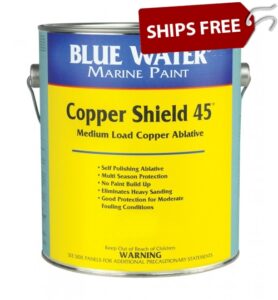
  • Blue Water Copper Shield 45 (affordable multi-season ablative)

  • Interlux Micron CSC (multi-season, works well for winter storage)

  • Pettit Hydrocoat ECO (eco-friendly, low-odor, easy to apply)

Popular Colors: Blue, Black, and Green for hulls; White or Gray for topsides.


West Coast (California, Oregon, Washington)

Conditions: Mix of saltwater and brackish waters, moderate fouling. California regulations limit copper levels in paint.

Recommended Paint Types:

  • Low-copper or copper-free paints that meet environmental regulations.

  • Self-polishing ablatives for year-round protection.

Popular Choices:

  • Sea Hawk Biocop TF (premium copper-free option)

  • Interlux Pacifica Plus (copper-free, eco-friendly)

  • Pettit Ultima ECO (good performance in strict-regulation regions)

Best Colors: Blue, Black, and White – blends well with West Coast sport and leisure boats.


Midwest & Great Lakes

Conditions: Freshwater, seasonal boating, lower fouling pressure compared to coastal waters.

Recommended Paint Types:

  • Freshwater-specific antifouling or lighter-duty ablatives.

  • Topside paints are often the main concern due to sun exposure.

Popular Choices:

  • Blue Water Shelter Island Plus (copper-free, good for freshwater lakes)

  • Sea Hawk Smart Solution Antifouling Paint (fast-drying freshwater antifouling)

  • Sea Hawk Talon (water-based antifouling for freshwater and lakes)

Popular Colors: White, Blue, or Gray – lighter tones are popular on freshwater boats for a clean look.


Southern Rivers & Inland Waters

Conditions: Freshwater rivers, reservoirs, and brackish estuaries. Fouling is moderate, but water stains and slime are common.

Recommended Paint Types:

  • Eco-friendly ablatives that handle brackish conditions.

  • Water-based options for easy application and cleanup.

Popular Choices:

  • Smart Solution, Talon, Sharkskin (excellent for brackish and freshwater)

  • Sea Hawk AF-33 (ablative, budget-friendly choice)

  • Interlux Micron CSC HS (reliable for estuaries and rivers)

Popular Colors: Green, Blue, and Black – functional and practical.


Final Thoughts

Your boat paint should match your waters.

  • Warm southern waters: Heavy-duty, high-copper ablatives.

  • Northeast: Seasonal or multi-season ablatives.

  • West Coast: Copper-free and eco-friendly paints.

  • Great Lakes/Freshwater: Freshwater-specific or lighter ablatives.

No matter your region, Bottom Paint Store has the right solution to keep your boat clean and protected. Explore our full range of Sea Hawk, Interlux, Pettit, Awlgrip, and Blue Water Marine Paints today and find the best match for your waters.

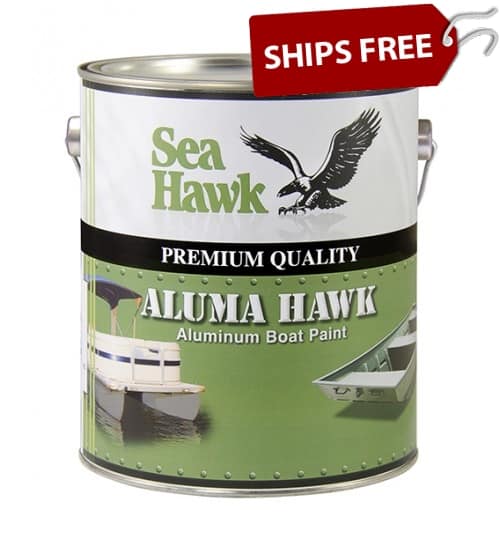
Sea Hawk Aluma Hawk vs. TotalBoat Aluminum Boat Topside Paint: The Superior Choice for Aluminum Boats

If you want a paint that delivers reliable protection for aluminum boats with minimal effort, Sea Hawk Aluma Hawk clearly stands out. Though TotalBoat Aluminum Boat Topside Paint has its merits, Aluma Hawk’s direct-to-metal formulation, proven durability, and ease of application make it the better option for most projects.

Formulation and Application Ease

Sea Hawk Aluma Hawk is renowned for its one-step, direct-to-aluminum application. Many boaters skip a separate primer when using Aluma Hawk, thanks to its well-formulated adhesion and corrosion resistance. This simplicity translates into faster project turnaround and less hassle.

TotalBoat Aluminum Boat Topside Paint, while also designed for aluminum, often benefits from a self-etching or epoxy primer to match the dependable bond Aluma Hawk provides right from the can.

Performance in Harsh Environments

Sea Hawk Aluma Hawk has earned a strong reputation for handling both brackish and saltwater conditions. Boaters frequently report that Aluma Hawk retains its finish and protective qualities even under constant exposure to tough marine elements.

TotalBoat’s product can also hold up well in various conditions, but it may require extra prep steps and close attention to priming for the same level of lasting performance.

Coverage and Finish

Sea Hawk Aluma Hawk offers solid coverage with just two coats, providing a consistent layer of protection that resists peeling and fading. Its range of colors—like Jon Boat Green, Aluminum Gray, White, and Black—allows you to pick a finish that complements your boat’s style.


Aluma Hawk


TotalBoat offers a decent color selection and a semi-gloss or satin finish. However, achieving uniform coverage comparable to Aluma Hawk might require additional coats or more thorough priming.

Durability and Maintenance

Sea Hawk Aluma Hawk consistently demonstrates long-lasting durability, even for boats that see frequent use. Many users note minimal chipping or flaking over time, reducing maintenance efforts and repainting intervals.

TotalBoat paints also exhibit solid durability, but careful surface prep—including cleaning, de-greasing, and scuffing—is critical to ensure the paint’s adhesion remains on par with Aluma Hawk’s out-of-the-box performance.


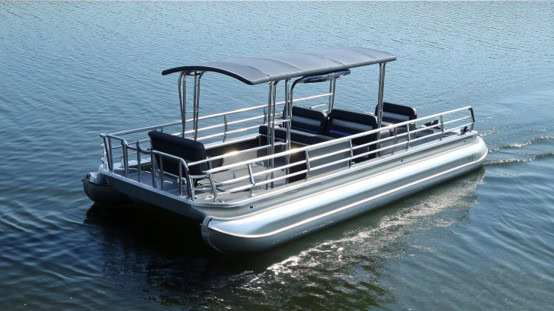
Aluma Hawk is perfect for Pontoon Boats, Jon Boats, House Boats, and any Aluminum Surface.

Project Efficiency and Value

Sea Hawk Aluma Hawk often hits the sweet spot in cost vs. performance. Because it typically doesn’t require a separate primer, the overall investment in time and money can be lower, making Aluma Hawk a clear value for those seeking a streamlined painting process.

TotalBoat, while occasionally priced in a similar range, may involve additional primer expenses and extra steps to achieve a similar final result, potentially bumping up costs and labor.

While both brands produce aluminum boat paints that can help protect and beautify your vessel, Sea Hawk Aluma Hawk truly excels at delivering a dependable, long-lasting finish with minimal prep work. Its direct-application advantage, proven track record in demanding marine conditions, and notable durability make Aluma Hawk the best choice for most aluminum boat owners.


Frequently Asked Questions About Boat Painting

A fresh coat of paint can transform a boat in more ways than one. While it certainly boosts the visual appeal—whether you want a mirror-like shine on a classic fiberglass hull or prefer a bold color that shows off your personal style—painting also acts as a protective shield. Modern primers are engineered to prevent corrosion, repel moisture, and extend the overall lifespan of your boat. Investing in a quality paint system isn’t just about aesthetics; it’s a vital step in preserving a valuable asset.

How do I know when it is time to paint my boat?

Loss of Gloss: If your gelcoat no longer stays shiny for the entire boating season—even after waxing and buffing—it may be time to upgrade with paint.

Visible Damage: Chips, dings, and dock rash can become glaring eyesores and expose the underlying material to further harm. Painting after proper repairs helps conceal damage and protect the hull.

Obvious Wear: Fading, cracking, blistering, or peeling are strong indicators that your current paint or gelcoat is on its last legs.

Deck Wear: High-traffic areas such as decks often wear down faster. If you notice the finish thinning in spots, consider repainting before the problem gets worse.

By addressing these issues sooner rather than later, you’ll avoid bigger, more expensive fixes in the future.

How Often Should I Repaint My Boat?

The timeline depends on several factors, including usage and environment.

Heavily Used Boats: If your boat spends a lot of time fishing, sailing, or cruising in harsh saltwater conditions, the paint will wear out faster. Expect to repaint more frequently.

Freshwater & Light Use: Boats that live in gentler environments—such as lakes or calm bays—and see less frequent outings might keep their finish longer.

Quality of Maintenance: Regular cleaning, polishing, and occasional touch-ups go a long way in extending the life of any paint job.

Below-Water Fouling Control: Antifouling paint often requires an annual inspection or refresh, although some premium multi-season products can last a couple of years. Regular maintenance here keeps your hull efficient, avoiding marine growth and drag.

Steps Involved in Painting a Boat

Consult a Professional: If you are not sure you want to do the work yourself then it is best to talk to a reputable boatyard or experienced painter about your objectives, budget, and timeline.

Surface Preparation: Properly cleaning, sanding, and priming the surface is key. If there’s existing damage, it must be repaired first. Filler or extra primers may be needed to create a smooth base.

Priming: Using the correct primer is essential. It not only provides a better bond for the paint but also serves as an additional layer of protection against water intrusion or corrosion.

Topcoat Application: This is where skill really matters. A well-applied topcoat delivers the gloss, color, and UV resistance that keep your boat looking fresh.

Finishing Touches: Buffing, polishing, or any decorative details (like stripes, graphics, or lettering) come last. Quality topcoats and finishing techniques ensure the paint will look amazing and last.

Remember, the cost of skilled labor typically exceeds the price of materials. Skimping on paint quality can lead to poor results and even higher costs down the road.

How Long Does the Painting Process Take?

The overall timeline varies based on:

Boat Condition: More repairs mean more prep work.

Weather & Humidity: Paint and primers cure best under certain conditions, so expect potential delays if the weather doesn’t cooperate.

Boatyard Schedule: During busy seasons, local boatyards can book up fast. It’s wise to plan in advance if you want your boat ready by the start of the next season.

For a straightforward repaint with minimal repairs, it might take a week or two. Complex projects can stretch out longer, especially when specialized materials or processes are involved.

Finding a Reputable Boat Paint Shop

Ask for Recommendations: Fellow boaters and marina staff often have firsthand experience with local painters.

Review Portfolios: Reputable professionals should have examples of past work.

Check Credentials: Look for certifications or partnerships with paint manufacturers, indicating they meet certain industry standards.

Get Multiple Quotes: Comparing costs and timelines helps you find a shop that fits your needs and budget.

Special Effects and Advanced Finishes

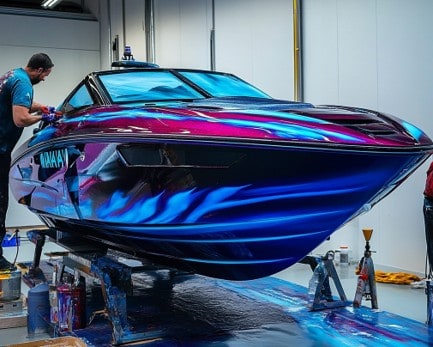
If you’re looking to make a statement on the water, you can explore specialty paints and finishes. Pearl or metallic finishes, custom graphics, and even color-shifting paints can give your boat a show-stopping presence. Though these options come with a higher price tag, they allow for creative freedom and can truly set your vessel apart at the marina.

Types of Exterior Coatings

Single-Part Enamels: Affordable and relatively simple to apply, but may not be as durable as other options.

Two-Part Polyurethanes: Offer excellent gloss retention and durability. A go-to choice for professional paint jobs.

Epoxy Primers: Provide a strong, corrosion-resistant base, especially for metal or fiberglass surfaces.

Antifouling Paints: Designed to prevent marine growth below the waterline, with options ranging from simple single-season coatings to premium multi-season varieties.

Choosing the right combination of primer and topcoat is crucial. A professional can help assess how your boat is used and in what conditions, ensuring a paint system that stands up to the elements.

Painting your boat rejuvenates its appearance, protects against wear and corrosion, and can even elevate its value. Whether you choose to do it yourself or hire a pro, the key is thorough preparation and using quality materials. If you have any questions about choosing the best boat paint for your needs, feel free to contact the service team at Bottom Paint Store. Don’t wait for chipped paint and nasty blisters to show up—plan ahead and keep your vessel looking shipshape for years to come!

Choosing the right paint store

What To Look For When Choosing the Right Paint Store

When it comes to maintaining your boat’s performance and longevity, selecting the right paint store is as critical as choosing the paint itself. Bottom paint and other marine coatings are specialized products, and finding a trusted supplier can make all the difference. In this blog, we’ll explore what to look for in a paint store and how to ensure you’re getting the best products and service for your marine needs.

Why Choosing the Right Paint Store Matters

The marine environment is harsh, and bottom paint is your boat’s first line of defense against fouling, corrosion, and wear. A reliable paint store doesn’t just sell products—it offers expertise, variety, and quality assurance, ensuring your boat gets the protection it needs.

What to Look for in a Paint Store

When searching for a paint store to meet your marine coating needs, keep the following factors in mind:

Wide Range of Products

A good paint store should carry a comprehensive selection of marine paints and coatings, including:

The availability of trusted brands ensures you have access to high-quality options that suit your boat’s specific requirements.

Expert Advice

Marine coatings are not one-size-fits-all. An excellent paint store will have knowledgeable staff who can guide you in choosing the right product based on:

  • Your boat’s material (e.g., fiberglass, wood, aluminum).
  • The type of water your boat is exposed to (saltwater or freshwater).
  • Your desired maintenance schedule.

Look for stores that offer resources like blogs, how-to guides, or even customer support to answer your technical questions.

Our expert technical support team is only a phone call away and is available Monday through Friday 9a.m. until 5p.m. to assist you with your boat painting project.

Eco-Friendly Options

Sustainability is increasingly important in boating. A paint store that offers eco-friendly or low-VOC options demonstrates a commitment to reducing environmental impact without compromising performance.

Competitive Pricing

Whether you’re a weekend sailor or a professional mariner, cost matters. A reliable paint store should provide competitive pricing, seasonal promotions, or bulk discounts for frequent buyers.

Convenience and Accessibility

A store’s location or online presence can make a big difference. Check for:

  • Easy online ordering and delivery options.
  • Detailed product descriptions and usage instructions on their website.
  • Stores that offer fast shipping to keep your project on schedule.

Why Bottom Paint Store Stands Out

At Bottom Paint Store, we pride ourselves on being your go-to resource for marine coatings and bottom paint. Here’s why boaters choose us:

  • Comprehensive Product Range: We carry top brands of bottom paint, primers, topcoats, and more, all designed to perform in demanding marine environments.
  • Expert Support: Our team is available to help you choose the right products, whether you’re maintaining a small sailboat or a large commercial vessel.
  • Eco-Friendly Choices: Explore our line of environmentally friendly bottom paints that balance performance with sustainability.
  • Convenience: With a user-friendly website and fast shipping options, we make it easy to get the products you need, delivered straight to your door.

Final Thoughts

Selecting the right paint store isn’t just about convenience—it’s about ensuring your boat gets the best protection and performance on the water. By choosing a store with a wide product range, expert guidance, and customer-focused services, you’re setting your boat up for success.

Ready to find the perfect paint for your boat? Visit Bottom Paint Store  or call 888-505-2313 today and explore our extensive range of marine coatings. Whether you’re tackling a DIY project or managing a fleet, we’ve got everything you need to get the job done right!

A Guide to Choosing Marine Paint

Marine paint is specially formulated paint designed for use on boats and other marine vessels. It provides a protective barrier between the boat’s hull and the water, helping to prevent corrosion, osmosis, and the growth of marine organisms such as barnacles and algae. It is also designed to withstand the harsh marine environment, including exposure to saltwater, UV radiation, and abrasion.

The lifespan of marine paint can vary depending on factors such as the type of paint, the conditions in which the boat is used, and the level of maintenance. Generally, marine paint can last anywhere from 3 to 7 years or more.

Using marine paint offers several benefits, including protection against corrosion, osmosis, and marine growth. It also helps improve the appearance of your boat and can increase its resale value.

Marine paint can typically be applied over existing paint, but it’s important to properly prepare the surface to ensure good adhesion. This may involve cleaning, sanding, and applying a primer before painting.

When choosing marine paint, consider factors such as the type of surface you are painting, the conditions in which the boat will be used, and your budget. It’s also important to choose a paint that is compatible with any existing coatings.

Many marine paints are now formulated to be environmentally friendly, with low VOC (volatile organic compound) content and biocide-free options. Look for paints that are labeled as friendly or environmentally safe.


Maintaining and cleaning marine paint is essential for prolonging its life and protecting your boat. Regular cleaning with a mild detergent and water, along with periodic waxing and polishing, can help keep your marine paint looking its best.

Overall, marine paint plays a crucial role in protecting and maintaining your boat.  It is formulated to meet the unique challenges posed by the marine environment, providing long-lasting protection and performance for boats, ships, docks, and other marine structures. By understanding the different types of marine paint and how to choose and maintain them, you can ensure that your boat remains in top condition for years to come. I you need any assistance selecting the right marine paint for your needs please contact the Bottom Paint Store customer service team 888.505.2313.