Category Archives: Seahawk

Is Copper-Free Bottom Paint Right for Your Boat?

Choosing the right bottom paint is one of the most important decisions for protecting your boat’s hull, maintaining performance, and reducing long-term maintenance. For many boat owners, copper-based antifouling paints have long been the standard choice. But growing interest in lower-impact coatings has led more boaters to consider copper-free bottom paint as an alternative.

So, is copper-free bottom paint right for your boat?

Protection, Maintenance, and Environmental Tradeoffs

The answer depends on where you boat, how often the vessel is used, the type of fouling you deal with, and what matters most to you—whether that is strong antifouling protection, easier maintenance, or reducing environmental impact. Understanding the benefits and tradeoffs of copper-free bottom paint can help you make a more informed decision.

What Is Copper-Free Bottom Paint?

Copper-free bottom paint is antifouling paint that does not rely on copper as its primary active ingredient to prevent marine growth. Instead, these coatings use alternative biocides or other antifouling technologies designed to help control slime, algae, barnacles, and other fouling organisms.

Copper-free paints have become increasingly popular with boat owners who are looking for alternatives to traditional copper-based coatings. In some cases, they are chosen because of local environmental concerns, marina restrictions, compatibility with certain hull materials, or a desire to explore newer antifouling technologies.

Why Boat Owners Consider Copper-Free Bottom Paint

Many boat owners begin looking into copper-free coatings because they want bottom paint that provides reliable protection while reducing some of the concerns associated with traditional copper formulas.

Common reasons include:

  • Interest in lower-copper or copper-free alternatives
  • Concern about environmental impact in marinas and coastal waterways
  • Hull compatibility, especially for aluminum boats where copper-based paints are generally not appropriate
  • Curiosity about newer antifouling technologies
  • Desire to compare maintenance needs, repainting cycles, and overall performance

For some boaters, copper-free paints are also appealing because they represent a more modern approach to antifouling protection.

How Copper-Free Bottom Paint Protects Your Hull

Like traditional antifouling paints, copper-free bottom paints are designed to help prevent marine organisms from attaching to the hull. Fouling can increase drag, reduce fuel efficiency, lower performance, and make the boat more difficult to clean and maintain.

The way copper-free paint works depends on the product. Some use alternative biocides that are released in a controlled way over time. Others may use self-polishing technology that gradually wears away, exposing fresh active ingredients and helping reduce paint buildup.

This is an important point for boat owners comparing options. Not all copper-free bottom paints perform the same way, and not all of them offer the same maintenance profile. Product type, water conditions, fouling pressure, and usage patterns all affect results.

Protection in Harsh Marine Environments

One concern some boat owners have is whether copper-free bottom paint can stand up to aggressive fouling conditions. In many cases, the answer is yes—provided the right product is chosen for the application.

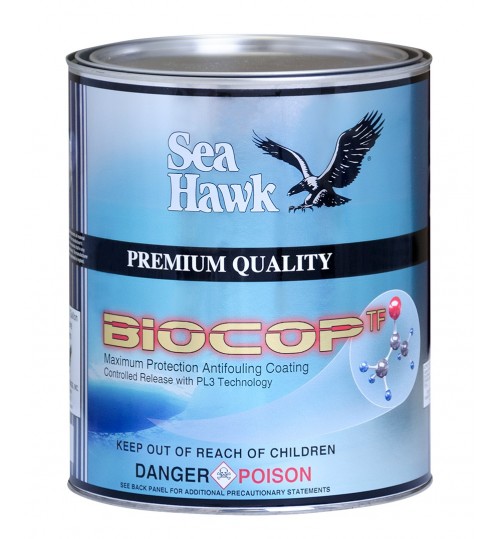
For example, Biocop TF Self-Polishing Bottom Paint was developed as an alternative to tin-based antifouling paints to protect against the harshest marine environments. It uses newer biocide technology and a self-polishing system designed to provide controlled biocide release over time. Its revolutionary polymer binder system produces an engineered biocide release intended to deliver antifouling performance while leaving no harmful effects on the environment.
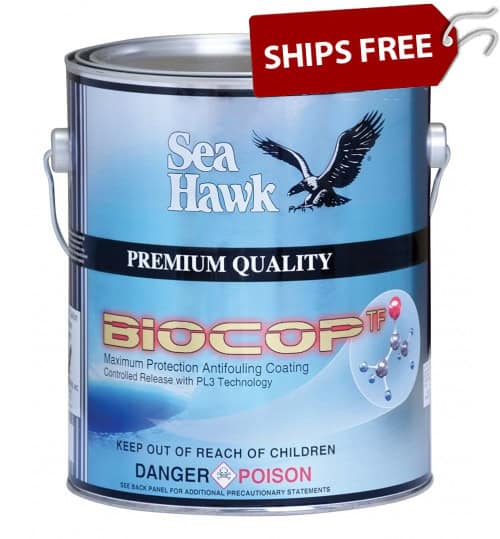
Biocop TF was developed as an alternative to tin-based antifouling paints to protect against the harshest marine environments.

That makes products like Biocop TF especially relevant for boat owners who want strong antifouling performance but are also exploring alternatives to older, more environmentally concerning coatings.

Copper-Free vs. Traditional Copper Bottom Paint

Copper-free bottom paint is not automatically better for every boat, but it can be a very good choice in the right circumstances.

Traditional copper paints are often selected for their long track record and wide availability. They remain popular because many boat owners know how they perform in specific waters and conditions.

Copper-free paints, on the other hand, may appeal to boaters who want:

  • An alternative to copper-based coatings
  • A product aligned with local environmental preferences or restrictions
  • Compatibility with aluminum hulls or outdrives when approved for those applications
  • Access to newer antifouling technologies and binder systems

The tradeoff is that copper-free performance can be more product-specific. Boat owners may need to pay closer attention to the manufacturer’s recommendations for water type, fouling conditions, and vessel usage.

Maintenance and Yearly Sanding Considerations

A common question is whether copper-free bottom paint means less sanding and less maintenance.

Sometimes—but not always.

That depends more on the type of coating than on the simple fact that it is copper-free. For example, self-polishing bottom paints are designed to wear away gradually during use. This can help reduce heavy paint buildup over time compared to some harder coatings, which may eventually require more aggressive surface prep.

So while some copper-free paints may support a cleaner maintenance cycle, it is best not to assume that every copper-free paint automatically means less yearly sanding. The more accurate takeaway is this:

  • Some copper-free paints, especially self-polishing formulas, may help reduce buildup over time
  • Maintenance needs still depend on the product, the boat’s usage, and the fouling conditions
  • Annual inspection and maintenance are still important no matter which antifouling system you choose

For boat owners trying to reduce long-term prep work, a self-polishing copper-free option may be worth considering.

Environmental Tradeoffs

One of the biggest reasons boaters look at copper-free bottom paint is environmental impact. Copper-free coatings are often viewed as a lower-impact alternative to traditional copper-based antifouling paints, especially in areas where copper loading in marinas and waterways is a concern.

That said, it is important to look at environmental tradeoffs carefully. “Copper-free” does not mean the product has no active ingredients or no environmental considerations at all. It simply means the paint relies on antifouling technologies other than copper.

A more balanced way to think about it is this: copper-free paints may help reduce dependence on copper while still delivering antifouling protection, but boat owners should still review the product details, label instructions, and intended use.

Is Copper-Free Bottom Paint Right for Your Boat?

Copper-free bottom paint may be a good fit if:

  • You want an alternative to traditional copper-based antifouling paints
  • You boat in an area where environmental considerations are especially important
  • You own an aluminum boat or metal components that require copper-free compatibility
  • You are interested in newer antifouling technologies
  • You want to compare self-polishing options that may help manage paint buildup over time

It may be less ideal if:

  • You already have a copper-based system that performs well in your waters and you do not want to change
  • You are selecting paint based only on the assumption that all copper-free products require less maintenance
  • You have not checked compatibility with your hull, current coating, or operating conditions

Final Thoughts

Copper-free bottom paint can be an excellent choice for many boat owners, especially those looking for effective hull protection with a different environmental profile than traditional copper coatings. The key is choosing the right product for your boat, your location, and the type of fouling pressure you face.

Products such as Biocop TF Self-Polishing Bottom Paint show how modern copper-free antifouling technology has evolved. Developed as an alternative to older tin-based antifouling paints, it is designed for harsh marine environments and uses controlled biocide release technology in a self-polishing formula.

If you are trying to decide whether copper-free bottom paint is right for your boat, the best approach is to compare your hull type, water conditions, maintenance preferences, and antifouling goals. With the right match, copper-free bottom paint can offer a strong balance of protection, maintenance performance, and environmental consideration. If you would like to discuss your boat painting project with our technical customer service team you can give them a call at 888-505-2313 and they will be happy to help answer any questions.

The Impact of Biofouling on Boat Performance and What You Can Do About It

Whether you own a small fishing skiff, a luxurious cruising yacht, or anything in between, taking care of your boat’s hull is crucial for optimal performance and longevity. One of the most pervasive and costly challenges boaters face is biofouling—when aquatic organisms like algae, barnacles, mussels, and tube worms attach themselves to your vessel’s hull and underwater gear. In this article, we will explore how biofouling impacts boat performance, discuss the most effective prevention strategies, and walk you through the solutions available to keep your hull in prime condition. 

What is Biofouling?

Biofouling, sometimes simply referred to as “fouling,” is the accumulation of living organisms on surfaces submerged in water—boats, marinas, docks, pilings, and more. These organisms vary widely:

  • Microfouling: Bacteria and microalgae (slime)
  • Macrofouling: Larger organisms such as barnacles, mussels, tube worms, and seaweed

While certain levels of fouling are common, the longer it remains on the hull, the thicker and more challenging it becomes to remove. Over time, fouling can lead to significant damage and reduced performance.

How Biofouling Impacts Your Boat’s Performance

Reduced Speed and Efficiency
Fouling adds extra drag as your boat moves through the water, slowing it down and forcing the engine to work harder. A fouled hull can reduce speed by several knots, causing a noticeable drop in efficiency.

Increased Fuel Consumption
When friction increases, so does your boat’s fuel consumption. This not only hurts your wallet at the pump, but also leads to higher emissions—bad news for both your bank account and the environment.

Damage to Hull and Propulsion Systems
Barnacles and other hard-shelled organisms can damage the paint, gelcoat, or fiberglass underneath. Over time, fouling can also impair propulsion systems like propellers and bow thrusters, prompting costly repairs.

Impact on Handling
Heavily fouled hulls make it harder to steer and maneuver, especially in tight spaces. This can become a safety hazard when docking or navigating busy waters.


Image


What You Can Do About Biofouling

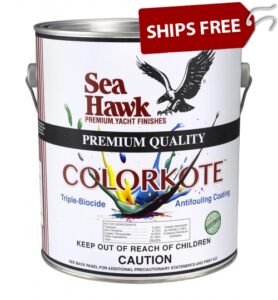
Colorkote

Color Kote is an excellent antifouling coating. It incorporates self-polishing, triple biocide, low-leaching chemistry, vibrant colors, and multi-season performance.

Invest in Quality Bottom Paint (Antifouling Paint)
The first line of defense against fouling is applying the right antifouling paint. This type of coating releases biocides or repellent agents that deter organisms from latching onto your hull. At BottomPaintStore.com, we offer a comprehensive range of antifouling paints—each formulated for specific water conditions, usage patterns, and hull materials. Key factors to consider:

    • Type of water: Fresh, salt, or brackish
    • Frequency of use: Frequent cruisers might benefit from paints with strong biocides and smoother finishes.
    • Boat speed: Faster boats may need a different formulation than trawlers or sailboats that move more slowly.

Schedule Regular Hull Cleaning
Even with the best paint, a thin film of slime or algae can accumulate over time. Removing these early prevents larger organisms from taking hold. Routine diving or haul-outs to pressure wash the hull will keep fouling in check and ensure you’re running at peak efficiency.

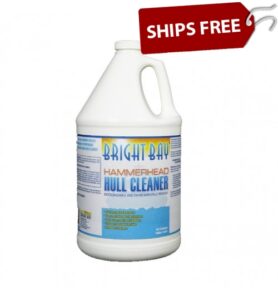
Hammerhead Hull Cleaner works great. It uses a unique acid-surfactant blend designed to remove marine growth, hard water stains, rust, and calcium buildup.

Use Specialized Tools and Gear
If you prefer DIY approaches, consider a long-handled hull scrubber or an underwater brush. Be sure to check local regulations: some marinas prohibit in-water hull cleaning due to possible pollution from paint particles and biocides.

Inspect Props and Thrusters
Props, shafts, thrusters, and other metal components are often made from different materials than the hull, requiring specialized antifouling strategies (e.g., PropGlide type coatings). Regularly inspect these components to remove any build-up that can compromise performance or cause galvanic corrosion issues.

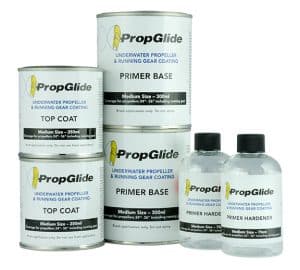
propglide foul release coating

PropGlide® is an excellent alternative to Propspeed. You get 25% more product per kit size for 30% less cost.

Store Your Boat Out of the Water
If feasible, keeping your boat on a lift, a trailer, or dry storage is the most surefire way to reduce fouling. Out-of-water storage deprives organisms of the aquatic environment they need to survive, drastically minimizing hull maintenance.

Choosing the Right Bottom Paint

The best antifouling paint for your boat depends on several factors, and BottomPaintStore.com can help guide you through the process:

  • Hard vs. Ablative Paint
    • Hard Paint: Ideal for high-speed boats and locations with moderate to heavy fouling. It creates a tough, long-lasting coating but does not erode.
    • Ablative Paint: Gradually wears away over time, continually exposing fresh biocide. Suitable for slower-moving vessels or those that spend extended periods at the dock.

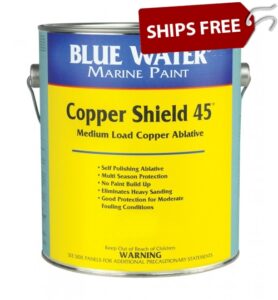
Great protection for salt and fresh water at a very attractive price. Provides multi-season antifouling protection against barnacles, algae, and hydroids. For boat bottoms only.

Copper-Based vs. Copper-Free

    • Copper-Based: A traditional and widely used solution, effective in many fouling conditions.
    • Copper-Free: Often containing alternative biocides or water-based formulas, making them an environmentally conscious choice while still offering robust protection.


This copper free solution is designed to be the most effective environmentally friendly antifoulant available.

Biocide Level
Consider the potency and quantity of biocide in the paint. Higher levels may be more suitable in tropical waters, while moderate levels may suffice in cooler or less-fouling-prone regions.

Maintenance Tips to Maximize Results

  • Follow Manufacturer’s Instructions
    Always adhere to the paint manufacturer’s guidelines on surface preparation, application, curing times, and recommended thickness. Proper prep ensures better adhesion and maximum effectiveness.
  • Time Your Haul-Outs
    Keep track of when you first apply the antifouling paint. Knowing your paint’s typical lifespan helps you schedule maintenance well before issues arise.
  • Monitor Your Boat’s Performance
    Keep a record of engine RPM, speed, and fuel usage. A noticeable drop in speed or a spike in fuel consumption can be an early sign of fouling.
  • Don’t Neglect Above-Water Maintenance
    Though the hull below the waterline gets most of the attention, an overall well-maintained boat is less likely to develop surprises. Keep an eye on topside paint, hardware, and interior systems to ensure a smooth boating experience.

Final Thoughts

Biofouling is one of the biggest contributors to reduced boat performance and increased maintenance costs. By understanding how these marine organisms attach themselves to your hull and knowing the steps to prevent them, you can keep your boat running smoothly, save money on fuel and repairs, and enjoy a hassle-free experience out on the water.

Ready to take the next step in safeguarding your boat? Bottom Paint Store provides a wide array of antifouling paints, primers, and surface preparation products. Our team of experts is here to help you select the best solution for your vessel’s size, usage, and local water conditions. We hope your boat stays fouling-free, and you enjoy your time on the water to the fullest!


how to choose bottom paint

Comparing Sea Hawk and Pettit Boat Paints

Let’s talk about something crucial: choosing the right bottom paint for your vessel. It’s not just about keeping your boat looking sharp—it’s about performance and longevity in the unforgiving ocean. Two of the leading brands in the market are Sea Hawk Paints and Pettit Paint, each with its own set of strengths and loyal customer base. While both brands offer high-quality products, there are compelling reasons why Sea Hawk Paint might be the better choice for many boaters. This article will explore the differences between these two brands and highlight the benefits of choosing Sea Hawk for your bottom boat paint needs.

Product Range and Variability

Sea Hawk Paints boasts a diverse range of antifouling products, catering to various boating needs and water conditions. Whether you’re sailing in freshwater or saltwater, Sea Hawk offers a specialized solution designed to provide maximum protection against fouling and hull degradation. The brand’s commitment to innovation is evident in its unique formulations, such as the biocide-free Eco-Clad coating, which appeals to environmentally conscious boaters.

On the other hand, Pettit Paint also offers a wide assortment of antifouling products. However, Sea Hawk’s distinctive formulations, like the Tropikote and Cukote lines, are often cited for their advanced multi-season and ablative capabilities, allowing for a cleaner hull with less frequent application.

Performance and Durability

Sea Hawk Paints are renowned for their exceptional durability and long-lasting performance. Products like the Tropikote are hard-modified epoxies that provide a robust layer of protection against barnacles and other marine organisms. This type of paint is particularly beneficial for high-performance vessels and those kept in water with high fouling potential. Many users report fewer haul-outs and cleanings due to the effectiveness of Sea Hawk’s coatings.

Comparatively, while Pettit offers reliable performance, Sea Hawk’s paints are often preferred for their stronger resistance to harsh marine environments, making them a cost-effective option in the long run due to reduced maintenance and repair needs.


Environmental Compliance

Sea Hawk leads the way in eco-friendly marine solutions. With increasing environmental regulations regarding marine coatings, Sea Hawk’s commitment to producing paints with lower VOCs (Volatile Organic Compounds) and biocide-free options positions it as a forward-thinking choice for eco-minded sailors. The development of their Eco-Clad paint is a testament to their dedication to sustainability without compromising on performance.

While Pettit Paint also adheres to environmental standards with its own eco-friendly products, Sea Hawk’s innovative approach often sets them apart in the market for boaters who prioritize environmental impact alongside performance.

Cost-Effectiveness

Although the initial cost of Sea Hawk paints might be higher than some of Pettit’s options, the long-term savings are significant. The extended lifespan of Sea Hawk’s coatings means fewer applications over the life of the boat, lower labor costs, and less downtime for maintenance. This makes Sea Hawk an economically advantageous choice in the broader perspective.

Customer Satisfaction and Support

Sea Hawk prides itself on excellent customer service and support. Their technical support team is readily available to assist with any inquiries about product selection, application techniques, and troubleshooting. This high level of customer care ensures that boat owners feel confident and supported throughout the lifecycle of the product.

So, to wrap this up, while Pettit Paint provides a solid choice for many boaters, Sea Hawk Paints may offer superior benefits in terms of product range, performance, environmental compliance, cost-effectiveness, and customer support. For boat owners looking to make a wise investment in their vessel’s maintenance, Sea Hawk Paints could be the preferred option, ensuring both enhanced protection and greater overall value. If you need assistance selecting the right paint for your needs feel free to reach out to the technical support team at Bottom Paint Store 888-505-2313.