Category Archives: antifouling paints

Best Antifouling Paint for Aluminum Boats: Aluminum-Safe Bottom Paint Guide

Quick Answer: What Is the Best Antifouling Paint for Aluminum Boats?

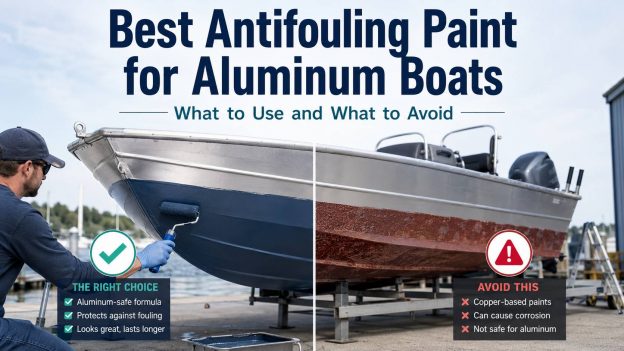
The best antifouling paint for aluminum boats is a bottom paint specifically labeled safe for aluminum. Many traditional copper-based antifouling paints should not be used on aluminum hulls because they can cause galvanic corrosion. For aluminum boats, choose an aluminum-safe antifouling paint and use the correct primer system recommended by the manufacturer.

Why Aluminum Boats Need Special Bottom Paint

Aluminum reacts differently than fiberglass or wood, so coating compatibility is critical. The wrong bottom paint can lead to corrosion, adhesion failure, or damage to the hull. Always verify that the antifouling paint is approved for aluminum before applying it below the waterline.

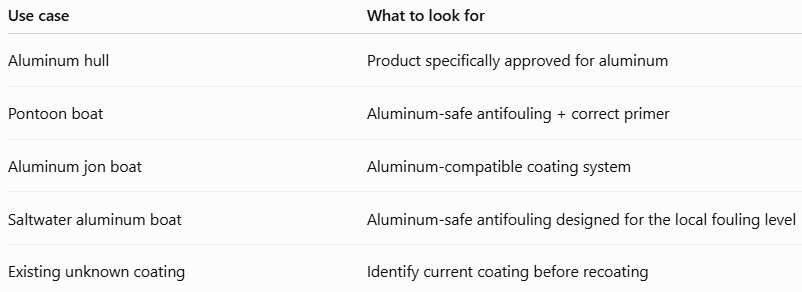
Best Bottom Paint Choice by Aluminum Boat Use

Boat Use Recommended Paint Type Why
Aluminum boat kept in saltwater Aluminum-safe antifouling bottom paint Helps reduce marine growth while avoiding coatings that may damage aluminum.
Aluminum boat kept in freshwater Freshwater-compatible aluminum-safe bottom paint Provides fouling protection suited to freshwater conditions.
Trailered aluminum boat Durable marine paint or trailerable aluminum-safe bottom paint Must tolerate launching, loading, bunk contact, and abrasion.
Aluminum jon boat Aluminum primer and marine topcoat or aluminum-safe bottom paint if kept in water The right system depends on whether the boat is stored dry or left in the water.
Previously painted aluminum hull Compatible primer and antifouling system Existing paint must be identified before recoating.

What Bottom Paint Should Not Be Used on Aluminum?

Do not use a bottom paint on aluminum unless the product specifically states it is safe for aluminum. Many traditional copper-based antifouling paints are not appropriate for aluminum hulls because they can contribute to galvanic corrosion. When in doubt, check the manufacturer’s compatibility chart before applying bottom paint.

Aluminum Boat Painting Steps

Step What to Do Why It Matters
1. Clean the hull Remove dirt, grease, salt, oxidation, and old loose paint. Paint will not bond properly to a contaminated surface.
2. Sand or abrade properly Prepare the aluminum surface according to the primer instructions. Aluminum needs proper surface profile for adhesion.
3. Apply the right primer Use an aluminum-compatible primer such as an epoxy or zinc chromate-style primer when specified. Primer helps protect the aluminum and improves paint adhesion.
4. Apply aluminum-safe bottom paint Use only antifouling paint approved for aluminum. The wrong bottom paint can cause corrosion or coating failure.
5. Follow launch and recoat windows Check dry time, recoat time, and launch instructions. Incorrect timing can reduce coating performance.

Common Questions About Antifouling Paint for Aluminum Boats

Can you use bottom paint on an aluminum boat?

Yes, but only use bottom paint that is specifically labeled safe for aluminum. Aluminum hulls require compatible coatings to avoid corrosion and adhesion problems.

What is the best antifouling paint for aluminum boats?

The best antifouling paint for aluminum boats is an aluminum-safe bottom paint matched to your water type, boat usage, and existing coating. Always check the product label and compatibility chart before applying it.

Can you use copper bottom paint on aluminum boats?

Standard copper-based bottom paints should generally be avoided on aluminum unless the product specifically says it is safe for aluminum. Incompatible copper paints can contribute to galvanic corrosion.

Do aluminum boats need primer before bottom paint?

In most cases, yes. Aluminum usually needs a compatible primer system before bottom paint. The correct primer helps with adhesion and corrosion protection.

What primer should I use on an aluminum boat?

Use a primer recommended for aluminum and compatible with the final paint system. Depending on the project, this may include an epoxy primer, zinc chromate-style primer, or another aluminum-safe marine primer.

Can I paint an aluminum jon boat?

Yes, aluminum jon boats can be painted if the surface is cleaned, sanded, primed, and coated with products designed for aluminum. If the boat stays in the water, use an aluminum-safe antifouling bottom paint below the waterline.

Recommended Aluminum Boat Paint Products and Supplies

Bottom Paint Store carries aluminum-safe bottom paints, marine primers, epoxy primers, surface prep products, rollers, brushes, sandpaper, solvents, and related application supplies. The right system depends on whether the boat is aluminum, whether it stays in the water, and what coating is already on the hull.

best paint for a fishing boat

Best Paint and Colors for Fishing Boats

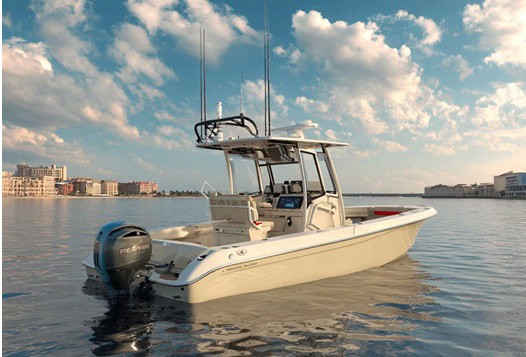
Fishing boats are workhorses—constantly exposed to salt, sun, and tough conditions. That’s why choosing the right paint (and color) is critical, not just for looks, but for long-lasting protection and performance. At Bottom Paint Store, we carry top marine paint brands designed to keep your fishing boat in peak shape, season after season.

Below we’ll cover the best paints and colors for fishing boats, including antifouling (below the waterline), topside paints, and practical deck finishes.

Recommended Paints for Fishing Boats

Antifouling Paint (Below the Waterline)

Fishing boats often sit docked for long stretches, making them prone to fouling. Antifouling paint helps prevent barnacles, algae, and slime.

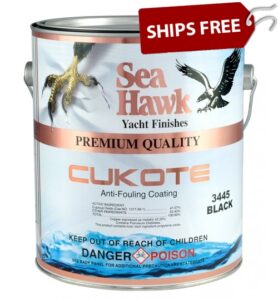
Sea Hawk Cukote – A long-lasting self-polishing antifouling for heavy fouling waters.

Colors: Black, Blue, Green, Red

Interlux Micron CSC – Multi-season ablative protection, low maintenance.

Colors: Black, Blue, Green, Red

Pettit Hydrocoat https://www.bottompaintstore.com/Pettit-Protect-High-Build-Epoxy-Primer-Quart-Kit – An eco-friendly water-based formula with strong performance.

Colors: Black, Blue, Green

Pro Tip: Black and navy blue are most popular for fishing boats because they hide growth and scuffs. Green is also a classic choice among commercial fishermen.


Topside Paint (Above the Waterline)

Topsides take constant sun exposure and wear. You’ll want a durable finish that also looks sharp.

Awlgrip Topside Paint – Yacht-quality finish, highly durable.

Popular Colors: Snow White, Oyster White, Haze Gray, Jet Black

Blue Water Marine Mega Gloss – Easy-to-apply enamel with a wide palette.

Colors: Super White, Black, Grey, Bright Red, Royal Blue, Emerald Green

Pro Tip: Whites and grays are preferred for topsides since they reflect heat, stay cooler, and keep your boat looking clean and professional.


Deck Finishes

Fishing decks take a beating—gear, boots, and fish guts mean you need tough paint and a safe, non-slip surface.

Non-Skid Additive + Awlgrip or Mega Gloss Topside Paint

Recommended Colors: Light Gray, White

Pro Tip: Light gray decks are easier on the eyes in bright sun and highlight gear and fish better than darker shades.


Suggested Color Combinations for Fishing Boats

Boat Area Recommended Paint Suggested Colors Why It Works
Hull (below water) Sea Hawk Cukote / Interlux Micron CSC Black, Dark Blue, Green Hides fouling, practical, classic fishing look
Topside (above water) Awlgrip / Blue Water Mega Gloss White, Oyster White, Gray Reflects heat, clean and professional
Deck Awlgrip / Mega Gloss + Non-Skid Additive Light Gray, White Cooler underfoot, safer, highlights gear & catch
Trim/Accents Awlgrip / Mega Gloss Red, Blue, Black Adds personality without high upkeep

Bottom Line

For fishing boats, it’s all about durability, protection, and practicality.

  • Dark (black/blue/green) are good for your hull to hide fouling.

  • White or gray topsides are good for a clean, professional look.

  • Light gray non-skid decks are popular for safety and function.

Whether you’re a weekend angler or a commercial fisherman, these combinations can keep your boat performing and looking great.

How to Extend the Lifespan of Antifouling Paint in Extreme Marine Conditions

Hey boat fans, in this blog post we’re going to discuss antifouling paint, which is much more than a paint; it’s a shield, protecting your boat from the relentless buildup of marine life—barnacles, algae, you name it. But here’s the kicker: when you’re out there, facing the unforgiving elements—blazing UV rays, the corrosive power of saltwater, and relentless biofouling—that paint is going to wear down quicker than you’d like.

So, what do you do? How do you make sure you’re getting the most out of your antifouling paint, especially in extreme conditions? Well, we’re going to share a few expert tips to help you extend the lifespan of your paint and keep your vessel protected.

Choose the Right Type of Antifouling Paint

There are several types of antifouling paints available, each designed to meet different marine conditions. For extreme environments, it’s important to choose a paint that offers both durability and high-performance biofouling protection.

  • Hard (Modified Epoxy) Paints: These paints create a tough, abrasion-resistant surface, making them ideal for vessels that face aggressive marine environments or require frequent cleanings. However, they release fewer biocides over time.


  • Ablative (Self-Polishing) Paints: Ablative antifouling paints wear down gradually, constantly exposing fresh layers of biocides, which can extend protection. These are especially good for boats in high-fouling areas, as they help prevent thick buildups over time.

Sea Hawk Cukote bottom paint is an ablative, self-polishing antifouling paint that uses an enhanced, copolymer, biocide release mechanism.

  • Hybrid Antifouling Paints: Combining features from both hard and ablative paints, hybrid options can offer a balance of durability and consistent performance, suitable for extreme marine conditions.


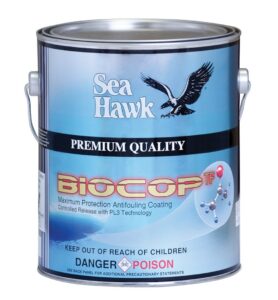
Biocop TF

Biocop TF was developed as an alternative to tin-based antifouling paints to protect against the harshest marine environments.

Surface Preparation is Key

Proper surface preparation is critical to the performance and longevity of antifouling paint. Follow these steps to ensure a strong bond between the paint and the hull:

  • Clean the Hull: Before applying antifouling paint, make sure the hull is thoroughly cleaned of any old paint, dirt, or residue. Pressure washing or sandblasting can help remove tough contaminants.
  • Sand the Surface: Lightly sanding the surface will improve adhesion, helping the new coat of antifouling paint stick better. Always follow the manufacturer’s instructions for grit size.
  • Apply a Primer: Using a marine primer specifically designed for antifouling paint will enhance the paint’s bond with the hull, preventing peeling or flaking over time.


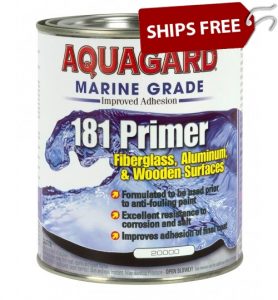
Aquagard® 181 Solvent Based Primer is a single component solvent-based primer designed to promote adhesion of bottom paints on fiberglass, wooden and aluminum boat hulls.


Follow Proper Application Techniques

Applying antifouling paint incorrectly can significantly reduce its lifespan, especially in extreme conditions. Here are some best practices to ensure a strong, long-lasting coat:

  • Apply the Correct Thickness: Follow the manufacturer’s recommendations for the number of coats and ensure you apply each one evenly. Too thin of a layer may not provide adequate protection, while too thick could lead to cracking.


  • Pay Attention to Drying Times: Extreme marine conditions often involve high humidity or strong sunlight, which can affect how the paint dries. Make sure to follow the drying times specified by the manufacturer based on your local climate conditions.


  • Focus on High-Wear Areas: Pay extra attention to areas of the boat that experience the most wear and tear, such as the bow, waterline, and rudder. Consider applying additional coats to these areas for extra protection.


4. Regularly Clean and Inspect the Hull

Even with antifouling paint, your boat will still accumulate some growth in extreme marine environments. Regularly cleaning the hull can help prevent excessive biofouling, which can shorten the paint’s lifespan.

  • Use Soft Brushes: Hard scrubbing can wear down antifouling paint, especially ablative types, so opt for a soft brush to remove buildup without stripping away the protective layers.


  • Schedule Regular Inspections: Periodically haul out your boat to inspect the hull. Check for any signs of wear, peeling, or excessive fouling. Catching and addressing issues early will help extend the overall life of your antifouling paint.


5. Apply a Fresh Coat at the Right Time

When exposed to harsh marine environments, even the best antifouling paint will eventually wear down. To maximize your protection, be proactive in reapplying paint before it becomes too thin to be effective. Timing varies based on the type of paint used and the conditions, but generally, applying a fresh coat every 12-24 months is recommended for vessels in extreme environments.

6. Consider Environmental Factors

Extreme marine conditions involve more than just water—it also includes UV radiation, salinity, and temperature fluctuations. These factors can degrade antifouling paint faster, so consider these points:

  • Use UV-Resistant Paints: Some antifouling paints are formulated with UV blockers to resist the breakdown of the paint’s protective chemicals under harsh sunlight.


  • Monitor Water Salinity: Higher salt content in the water can accelerate corrosion, so use a paint designed to withstand these conditions.


Here’s the takeaway: if you want to protect your boat in tough marine conditions, it all comes down to choosing the right antifouling paint and committing to proper application and maintenance. It’s not rocket science, but it does take care. Pick the right paint, prep the hull properly, apply it evenly, and keep up with regular maintenance—that’s how you extend the life of your paint and keep your boat running smoothly.

Need more information or the right products? Head over to Bottom Paint Store. We’ve got everything you need including free technical support so you can keep your boat protected, no matter what the seas throw your way. Stay informed, stay prepared!

Top Trends in Bottom Paint Technology for 2024

As we navigate into 2024, the marine industry continues to innovate, particularly in the area of bottom paint technology. This year, we’re seeing remarkable advancements aimed at enhancing the performance and environmental safety of bottom paints. Boat owners and marine enthusiasts are keenly interested in these trends as they offer solutions to some long-standing issues such as fouling and corrosion. Here, we explore the latest trends in bottom paint technology, including eco-friendly options and new formulations, with a spotlight on SeaHawk Paints as a leading brand in this space.

1. Eco-Friendly Formulations
Environmental preservation is more crucial than ever, prompting bottom paint manufacturers to turn to safer, eco-friendly alternatives. Traditional antifouling paints have often contained heavy metals and other harmful chemicals, which have devastating effects on marine life. In 2024, we’re seeing a significant shift towards biocide-free coatings and the use of natural enzyme-based solutions that deter organisms without damaging the ecosystem.

SeaHawk, a pioneer in marine coatings, has been at the forefront of this green innovation. Their new line of eco-friendly paints includes formulations that are copper-free, relying instead on organic biocides that are much less harmful to aquatic life. These products provide excellent antifouling protection while being compliant with the latest environmental regulations.

2. Improved Durability and Longevity
Durability is key in bottom paints to avoid frequent reapplications. The newest products on the market are designed to last longer while maintaining their effectiveness against fouling. Advanced polymer bindings that encapsulate antifouling agents allow for a controlled release over time, which not only prolongs the paint’s life but also makes it more cost-effective in the long run.

SeaHawk’s latest offerings include high-performance paints that leverage these advanced polymers to ensure that boats maintain optimal performance with minimal maintenance. This technology has been especially beneficial for vessels that face diverse marine environments, where the performance of bottom paints is critical.

3. Enhanced Corrosion Protection
2024 brings innovations focused not only on antifouling but also on protecting boats from corrosion. New formulations are designed to provide a dual shield against both fouling and oxidative damage from saltwater and air exposure. This is particularly important for metal hulls, which are susceptible to corrosion that can compromise their integrity and safety.

SeaHawk’s multifunctional coatings incorporate corrosion inhibitors which add an extra layer of protection. These inhibitors work by forming a barrier that prevents the electrochemical mechanisms of corrosion from occurring. As a result, these paints are an excellent choice for both aluminum and steel vessels.

4. Customizable Solutions
Recognizing that no two vessels or voyages are alike, the industry is moving towards more customizable paint solutions. Advanced technologies now allow for formulations to be tailored based on specific sailing conditions, water types, and ship activities. This trend towards customization ensures that each vessel gets the most out of its bottom paint, optimizing performance and protection.

SeaHawk has responded to this trend with their customizable paint lines. Customers can choose specific additives or modifiers that enhance the paint’s properties based on their unique needs, whether they are cruising tropical waters or braving colder climates.

5. Increased Focus on Aesthetics
Finally, 2024 does not compromise aesthetics for functionality. New bottom paints are available in a variety of colors and finishes that can enhance the visual appeal of any vessel. This allows boat owners to make a statement with their boats’ appearances while benefiting from the latest in paint technology.

SeaHawk paints not only provide robust protection but also come in vibrant, lasting colors that resist fading and discoloration even under harsh marine conditions.

As we look towards the future of marine maintenance, it’s clear that the innovations in bottom paint technology are geared towards creating more durable, effective, and environmentally friendly solutions. SeaHawk continues to lead this charge, offering products that meet the needs of modern boaters while promoting sustainability and protection of our marine ecosystems.