Tag Archives: epoxy

Polyurethane vs. Gelcoat vs. Epoxy — Which Should You Use? (Boat Owner’s Guide)

Choosing the right marine coating can be confusing. Polyurethane, gelcoat, and epoxy each serve different purposes, and selecting the wrong system can lead to peeling, chalking, poor adhesion, or early failure. This guide clearly explains the strengths and weaknesses of each coating so you can choose the best option for your boat project.

If you’re still exploring paint systems in general, see our Marine Paint & Coatings Overview for primers, topside paint, antifouling, and specialty finishes.

What Is Polyurethane?

Marine polyurethane topside paint is a high-gloss, durable finish ideal for above-waterline surfaces. It offers outstanding UV resistance, long-term gloss retention, and a professional yacht-grade appearance.

  • Highly flexible and weather resistant
  • Exceptional color and gloss retention
  • Easy to clean and maintain

Best for: topsides, decks, trim, masts, metalwork, and refinishing aged gelcoat.

If you’re applying polyurethane for the first time, read our step-by-step guide: How to Apply Marine Polyurethane Without Brush Marks.

What Is Epoxy Paint?

Epoxy primers and epoxy barrier coats are extremely strong and adhesive coatings used as a base layer or waterproofing system. They bond exceptionally well to fiberglass, metal, and wood.

  • Superior adhesion and structural strength
  • Excellent waterproofing for blister prevention
  • Ideal as a base for polyurethane or antifouling coatings

Best for: fiberglass repairs, underwater protection, and hull barrier coat systems.

What Is Gelcoat?

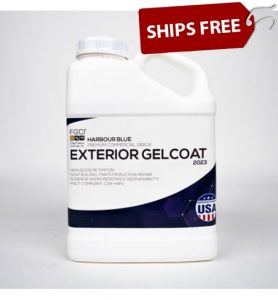
Gelcoat is the high-build coating used in fiberglass boat construction. It creates a thick, durable surface when applied in a mold or during repairs.

  • High build and sandable
  • Buffs to a glossy shine
  • Less UV stable unless regularly maintained

Best for: new fiberglass work, mold repairs, and OEM-style finishes.

For localized repairs (not full refinishing), consider Gelcoat Repair Kits.

Comparison Chart

Feature Polyurethane Epoxy Gelcoat
UV Resistance ★★★★★ ★★★☆☆ ★★☆☆☆
Gloss Level ★★★★★ ★★☆☆☆ ★★★☆☆
Chemical Resistance High Very High Medium
Application Difficulty Moderate Moderate High
Best Use Topsides & Trim Primers & Underwater OEM Repairs

When to Choose Polyurethane

  • You want a yacht-grade glossy topside finish
  • Your gelcoat is faded or thinning
  • You need maximum UV and gloss retention

For more examples, see our guide: Top 10 Marine Uses for Polyurethane Paints & Coatings.

When to Choose Epoxy

  • You are rebuilding or repairing fiberglass
  • You need the strongest possible primer layer
  • You are protecting the hull with a moisture barrier

When to Choose Gelcoat

  • You are restoring or repairing molded fiberglass
  • You want an OEM-thick finish
  • You prefer a sandable and buffable finish

Which Coating Lasts Longest?

  1. Epoxy – best structural durability and waterproofing (must be topcoated)
  2. Polyurethane – best UV and weathering performance above the waterline
  3. Gelcoat – durable but prone to oxidation and chalking over time

FAQs

Can polyurethane go over gelcoat?

Yes. Sand the gelcoat to a uniform, dull finish, repair defects, and apply a compatible primer before polyurethane. Proper surface prep is essential for adhesion.

Is epoxy waterproof?

Yes. Epoxy forms an excellent moisture barrier and is commonly used as a hull barrier coat beneath antifouling or polyurethane paint.

Should I use gelcoat to refinish an old boat?

For full topside restoration, polyurethane paint is typically easier and offers better long-term UV resistance than rebuilding with gelcoat.

Can I use polyurethane below the waterline?

No. Polyurethane is not recommended for constant immersion. Use an epoxy barrier coat and a compatible antifouling paint instead.


Related Guides

When to use Gelcoat vs Epoxy for Boat Repairs and Maintenance

Maintaining a boat involves more than just keeping it clean and stocked with gear—it’s about protecting your investment from the harsh marine environment. Two of the most common materials used in boat repair and maintenance are gelcoat and epoxy resin. While both serve vital roles in fiberglass boat construction and restoration, they are not interchangeable.

In this guide, we’ll break down the differences between gelcoat and epoxy, explain when to use each, and help you make informed decisions that will keep your boat seaworthy and looking sharp.

Let’s start with an understanding of the basics

What is Gelcoat?

Gelcoat is a pigmented polyester or vinyl ester resin used as the outer layer of most fiberglass boats. It provides a smooth, glossy finish and helps protect the underlying fiberglass laminate from UV rays, water, and minor abrasions.

  • Primary Purpose: Aesthetic finish and surface protection
  • Application: Typically applied in a mold during boat construction or used later for cosmetic repairs

Our products are formulated to provide superior resistance to UV rays and meet the stringent requirements of the boating industry.

What is Epoxy?

Epoxy resin is a two-part adhesive consisting of a resin and a hardener. When mixed, it forms a strong, durable material ideal for structural repairs and bonding various surfaces, including fiberglass, wood, and metal.

  • Primary Purpose: Structural repairs, strong bonding, waterproofing
  • Application: Used in layups, laminating, filling, or as a base layer for barrier coats

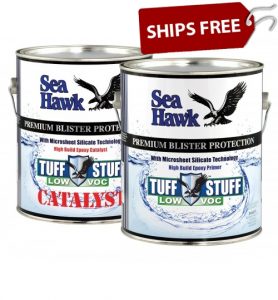
Tuff Stuff is designed as a high-build two-part epoxy primer, making it ideal for barrier coats, especially below the waterline. It’s specifically engineered to prevent water absorption and osmotic blistering in fiberglass hulls—a core strength of marine-grade epoxies.

Gelcoat vs. Epoxy: Key Differences

Feature Gelcoat Epoxy Resin
Primary Use Surface finish, color, UV protection Structural repairs, bonding, sealing
Strength Less strong, brittle under stress Extremely strong, flexible under stress
UV Resistance Excellent Poor – requires UV-resistant topcoat
Water Resistance Good Excellent
Adhesion Best on cured polyester/fiberglass Bonds to wood, metal, fiberglass, epoxy
Ease of Use Faster to apply, but less forgiving Longer cure time, requires precision


When to Use Gelcoat

Gelcoat is your best choice when the goal is cosmetic restoration of your boat’s surface—particularly fiberglass. It’s ideal for:

  • Repairing surface scratches and chips in the existing gelcoat
  • Restoring faded or oxidized areas
  • Matching the boat’s original finish and color
  • Protecting from UV damage and surface wear

However, gelcoat does not bond well to epoxy or non-polyester surfaces unless properly prepped. Also, it’s not suitable for deep repairs or structural issues.

Best Time to Use Gelcoat:

  • Restoring surface shine on fiberglass
  • Filling shallow scratches, dings, and UV damage
  • Matching original boat color (especially white, because, well… everything’s white)
  • Cosmetic touch-ups above and below the waterline

Tip: Always sand and clean the surface thoroughly before applying gelcoat. If applying over epoxy, ensure the epoxy is fully cured and properly sanded to create a mechanical bond.

When to Use Epoxy

Epoxy is the material of choice when strength, durability, and waterproofing are the priorities. It excels in situations like:

  • Repairing delaminated fiberglass
  • Fixing holes, cracks, or structural damage
  • Bonding dissimilar materials like wood to fiberglass or metal
  • Sealing bare fiberglass or wood to prevent water intrusion
  • Creating a barrier coat to prevent blistering (osmosis)

Epoxy is more chemically resistant than polyester resins and has superior adhesive qualities. However, it requires a UV-resistant topcoat, such as topside boat paint or gelcoat, to protect it from sunlight degradation.

Best Time to Use Epoxy:

  • Repairing structural damage like cracks, holes, or delamination
  • Sealing bare fiberglass to prevent water intrusion
  • Adhering materials (wood, metal, composite) with confidence
  • Filling deep gouges or rebuilding missing chunks
  • Barrier coats to prevent osmotic blistering

Can You Use Gelcoat Over Epoxy?

Yes, but with preparation. Since gelcoat does not naturally adhere well to epoxy, the epoxy must be fully cured, sanded with 80–120 grit, and cleaned thoroughly to allow for mechanical bonding. Some professionals recommend applying a tie-coat primer to improve adhesion.

Choosing the Right Product 

  • Use Gelcoat when:
    You’re doing surface-level cosmetic work on fiberglass and want a UV-resistant, glossy finish.
  • Use Epoxy when:
    You’re repairing structural damage, bonding materials, or sealing surfaces below the waterline.

Final Thoughts

Whether you’re restoring your hull’s shine or reinforcing a damaged section, knowing when to use gelcoat vs epoxy ensures your boat stays safe, seaworthy, and beautiful. Each material serves a distinct purpose—gelcoat for finishing and appearance, epoxy for strength and structural integrity.

By understanding their properties and correct applications, you’ll be able to tackle any repair with confidence—and save time and money in the long run.

Ready to tackle your next boat project like a pro?

Stock up on top-rated gelcoat and epoxy products at Bottom Paint Store and cruise into your next DIY with confidence. Need help? We are only a phone call 888-505-2313 or live chat away.

Which Non-Antifouling Paint is Recommended for Wood?

sailboat-1149519_640Painting a wooden boat on your own can be a daunting task. The amount of information about the correct way to paint a boat is staggering! First-time boat owners may be at a loss when trying to make a plan for their first project. The Bottom Paint Store’s aim is to make this process as stress-free as possible so you can enjoy working on your boat and ultimately, enjoy the fruits of your labor!
If your boat stays in the water and growth is a concern you’ll want to use an antifouling paint for below the waterline and follow the manufacturers specs for application to a wood hull. See application instructions of ablative antifouling:

Step 1 – CLEAN SURFACE
Surface must be clean, dry and free of contaminants.
Step 2 – SAND & CLEAN
Sand to a uniformly frosty, dull looking surface with 80-100 grit (no finer)
sandpaper; remove any residue.
Step 3 – APPLY ANTIFOULANT
Apply two coats of Sea Hawk antifouling by brush, roller or spray.
Apply first coat thinned 20% and let dry overnight. Apply two more
coats of bottom paint allowing 3 to 6 hours between coats and a
minimum overnight dry.*

Other Paint Products for Single Day Use

Here are some other products that are not recommended for long-term submersion but can be applied to wood-hulled boats.

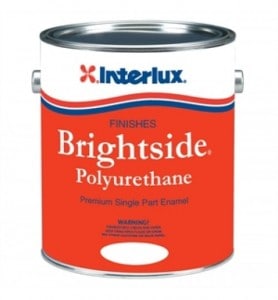
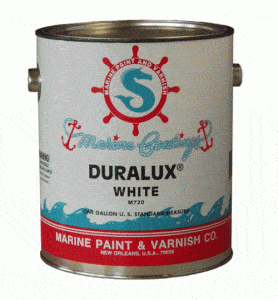
interlux-brightside-polyurethane-28238-500x539duralux-topside-marine-enamel-high-gloss-gallon-10799-500x539Duralux Topside Marine Enamel

Interlux Pre-Kote and Interlux Brightside

For other Helpful “How To” Articles about Topside Boat Paint, Click one of the links below.