When most people hear the term “Liquid Urethane,” they think of a thick, black substance used for coating surfaces. While this is correct, Liquid Urethane comes in many varieties with different purposes. For example, some Liquid Urethanes are designed to be applied very thin while others are much thicker. Additionally, there are variations in terms of density – some liquids are denser than others – which affects how they should be used. In this blog post, we will look at what Liquid Urethane is, what its various uses are, and how density affects its application.
What is liquid urethane and what are its uses
Urethane is a liquid polymer that has a wide variety of uses. It is used in the production of plastics, coatings, adhesives, and sealants. Liquid urethane is also used as an insulation material and as a filler for composite materials. In addition, liquid urethane can be used to create dental implants and prosthetic devices.
How is liquid urethane density measured?
To measure the density of liquid urethane, you’ll need a graduated cylinder and a weight scale. First, weigh the graduated cylinder on the scale to get an empty weight. Then, fill the cylinder with liquid urethane and weigh it again. Subtracting the empty weight from the full weight will give you the total weight of liquid urethane in the cylinder. To calculate the density, simply divide this weight by the volume of liquid urethane in the cylinder. This will give you a density measurement in grams per cubic centimeters (g/cc).
The density of liquid urethane is measured in a variety of ways, depending on the intended use of the urethane. For example, the weight per gallon is often used to calculate the costs of shipping and handling. The pound per cubic foot is also used to calculate the volume of urethane needed for a given job. In both cases, the density of liquid urethane is calculated by dividing the weight of the urethane by its volume.
What factors affect the density of liquid urethane
The density of liquid urethane can be affected by a variety of factors, including its composition, temperature, and pressure. Urethane is a polymer that can be made from a variety of monomers, or small molecules. The type of monomer used will affect the urethane’s density. For example, using a heavier monomer will result in a denser urethane. Temperature can also affect the density of liquid urethane; as temperature increases, the urethane will expand and become less dense. Finally, liquid urethane is usually stored under pressure to keep it from expanding. If the pressure is too high, the liquid urethane can become dense and difficult to work with. By understanding these factors, it is possible to control the density of liquid urethane and choose the right product for your needs.
There are many factors that can affect the density of liquid urethane. The first is the temperature of the liquid urethane. The colder the liquid urethane, the denser it will be. The second factor is the pressure of the liquid urethane. The higher the pressure, the denser the liquid urethane will be. The third factor is the type of liquid urethane. Some types of liquid urethane are denser than others. The fourth factor is the amount of liquid urethane. The more liquid urethane there is, the denser it will be. Finally, the fifth factor is the presence of impurities in the liquid urethane. If there are impurities present, they can make the liquid urethane denser.
Examples of where to use liquid urethane with different densities
There are many different uses for liquid urethane. The material can be used as a sealant, adhesive, or even a casting material. When choosing a liquid urethane, it is important to consider the density of the material. A high-density urethane may be better suited for a heavy-duty application, while a low-density urethane may be more suitable for a lightweight application.
Here are some examples of where to use liquid urethane with different densities:
Use a high-density urethane as an adhesive for bonding metal to concrete.
Use a low-density urethane as a sealant for gaps and cracks around doors and windows.
Use a medium-density urethane as a casting material for creating prototypes or models. No matter what the application, liquid urethane can be a versatile and durable solution. By carefully selecting the right density for the job, it is possible to achieve excellent results.
How to select the right liquid urethane for your needs
How do you know which one is right for your project? Here are a few things to keep in mind: The first thing you need to consider is what you’ll be using the liquid urethane for. There are different formulas for different applications, so you need to make sure you get the right one.
Next, think about the properties you need your liquid urethane to have. For example, do you need it to be clear or opaque? UV resistant? Heat resistant? Each type of liquid urethane has different properties, so it’s important to select the one that best meets your needs.
Once you’ve narrowed down your choices, it’s time to start testing. The best way to do this is to buy small quantities of each type of liquid urethane and try them out. This will help you see how they perform in real-world conditions and narrow down your options even further.
Finally, once you’ve selected the liquid urethane that’s right for you, make sure to follow the manufacturer’s instructions carefully. This will help ensure that you get the best results and avoid any problems down the road.
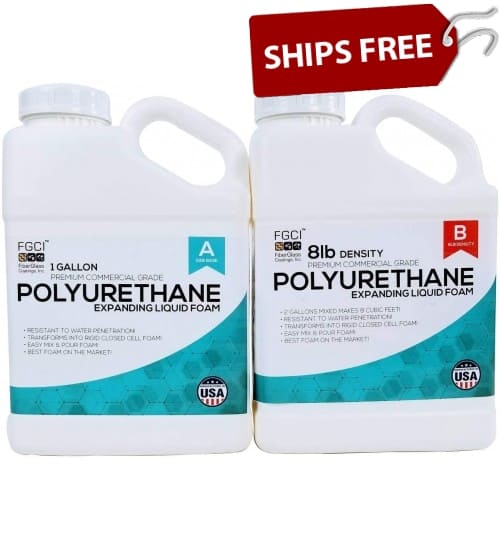
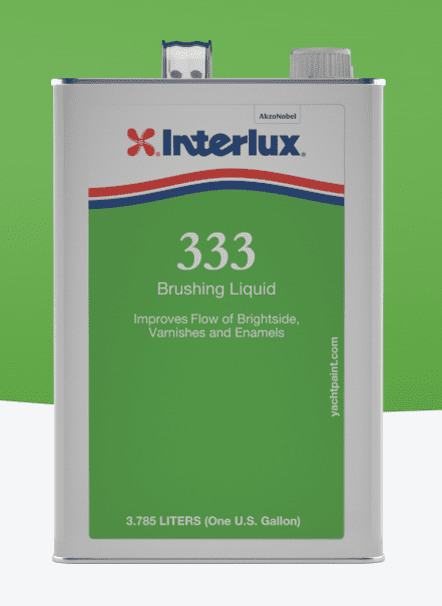
It is important to select the right liquid urethane for your needs to get the best results out of this versatile product. By understanding how density factors into its uses, you can be sure to select the correct liquid urethane for your specific project. Bottom Paint Store carries several different liquid urethane products including liquid urethane foam kits, which are a two-component, Isocyanate/Polyol based, pour-in-place, urethane foam system and Interlux Brushing Liquid 333, a slow drying solvent to ease brushing and facilitate the flow of specified paint coatings.
If you need additional information or ordering assistance on these liquid urethane products call our customer service team Monday through Friday 9:00 a.m.-5:00 p.m.
Use polyurethane paint when you need a high-gloss, durable finish above the waterline with excellent resistance to abrasion, chemicals, and UV exposure.
Choose single-part polyurethane for easier application and maintenance on topsides, decks, and interior surfaces.
Choose two-part polyurethane for maximum durability and long-term gloss retention on high-visibility areas.
Bottom line: Polyurethane coatings deliver superior appearance and toughness, but require proper surface prep and application conditions.
Tip: Polyurethane paints are not antifouling—do not use them below the waterline unless specifically approved for that application.
Quick Answer: What Is Polyurethane Paint Used For?
Polyurethane paint is used when you need a tough, attractive, high-gloss coating that resists UV exposure, abrasion, chemicals, water, and general wear. In marine applications, polyurethane coatings are most often used above the waterline on topsides, decks, cabins, trim, fiberglass, wood, aluminum, and steel surfaces.
For boat owners, polyurethane paint is a strong choice when appearance and durability matter. It is commonly used as a topside paint, clear coat, protective finish, or deck coating, but it is not the same as bottom paint and should not be used below the waterline unless the product specifically says it is approved for that use.
Best Polyurethane Choice by Use Case
Use Case
Recommended Coating Type
Why It Works
Boat topsides
One-part or two-part polyurethane topside paint
Provides gloss, color retention, UV resistance, and a durable marine finish.
High-gloss professional finish
Two-part polyurethane
Offers the best durability, gloss retention, and long-term performance when applied correctly.
DIY boat refinishing
Single-part polyurethane
Easier to apply, easier to touch up, and more forgiving for brush-and-roll applications.
Decks and walkways
Polyurethane deck coating with non-skid additive
Helps protect high-traffic areas while improving traction when a non-skid additive is used.
Marine woodwork and brightwork
Clear polyurethane or polyurethane varnish
Protects wood while enhancing the appearance of teak, mahogany, trim, and interior wood surfaces.
Bilges, machinery, or equipment areas
Durable polyurethane coating
Helps resist moisture, chemicals, oil, fuel exposure, and general wear.
Boat flotation or insulation
Two-part polyurethane foam
Used for flotation, insulation, soundproofing, and filling hard-to-reach spaces.
What to Consider Before Buying Polyurethane Paint
Before choosing a polyurethane paint or coating, consider the surface you are painting, the level of gloss you want, how much durability you need, and whether the coating will be used above or below the waterline. Polyurethane coatings can perform very well on fiberglass, wood, aluminum, steel, decks, cabins, and marine trim, but surface preparation is critical.
Single-part polyurethane paints are usually the better option for most DIY boat owners because they are easier to apply and maintain. Two-part polyurethane coatings are often preferred for professional refinishing jobs where maximum gloss, hardness, and long-term durability are the top priorities.
Common Questions About Polyurethane Paint and Coatings
What is polyurethane paint?
Polyurethane paint is a durable coating that forms a hard protective film after it cures. It is commonly used where surfaces need resistance to abrasion, chemicals, moisture, sunlight, and general wear while still maintaining an attractive glossy finish.
What is polyurethane paint used for on boats?
On boats, polyurethane paint is commonly used for topsides, decks, cabins, trim, rails, fiberglass repairs, machinery, and marine woodwork. It is especially useful above the waterline where a durable, glossy, UV-resistant finish is needed.
Can polyurethane paint be used below the waterline?
Polyurethane paint should generally not be used below the waterline unless the specific product states that it is approved for that application. For underwater hull areas, boat owners usually need antifouling bottom paint rather than a standard polyurethane topside coating.
Is polyurethane paint better than enamel paint?
Polyurethane paint is generally more durable than traditional enamel paint and usually offers better resistance to abrasion, chemicals, UV exposure, and wear. Enamel may still be suitable for certain lower-cost or less demanding projects, but polyurethane is often preferred for longer-lasting marine finishes.
What is the difference between one-part and two-part polyurethane paint?
One-part polyurethane paint is easier to apply and is a good choice for many DIY boat projects. Two-part polyurethane requires mixing with a hardener or activator, but it typically provides a harder, glossier, longer-lasting finish when applied correctly.
Can polyurethane be applied over existing paint?
Polyurethane may be applied over existing paint if the old coating is clean, sound, properly sanded, and compatible with the new product. Always check the manufacturer’s instructions before applying polyurethane over another coating system.
Does polyurethane paint waterproof wood?
Polyurethane paint and clear polyurethane coatings can help seal and protect wood from moisture, but they should not be viewed as a substitute for proper marine wood preparation. For best results, wood should be clean, dry, sanded, and coated according to the product directions.
Is polyurethane paint good for fiberglass boats?
Yes, polyurethane paint is commonly used on fiberglass boats, especially for topsides, cabins, decks, and areas above the waterline. It can provide a smooth, glossy, durable finish when the fiberglass is properly cleaned, sanded, primed, and prepared.
Recommended Polyurethane Products and Related Coatings
Bottom Paint Store carries polyurethane paints, clear coats, varnishes, primers, reducers, and polyurethane foam products for a range of marine applications. Popular options include single-part polyurethane topside paints for DIY refinishing, two-part polyurethane topcoats for high-gloss professional results, clear polyurethane varnishes for wood, and two-part polyurethane foam for flotation and insulation.
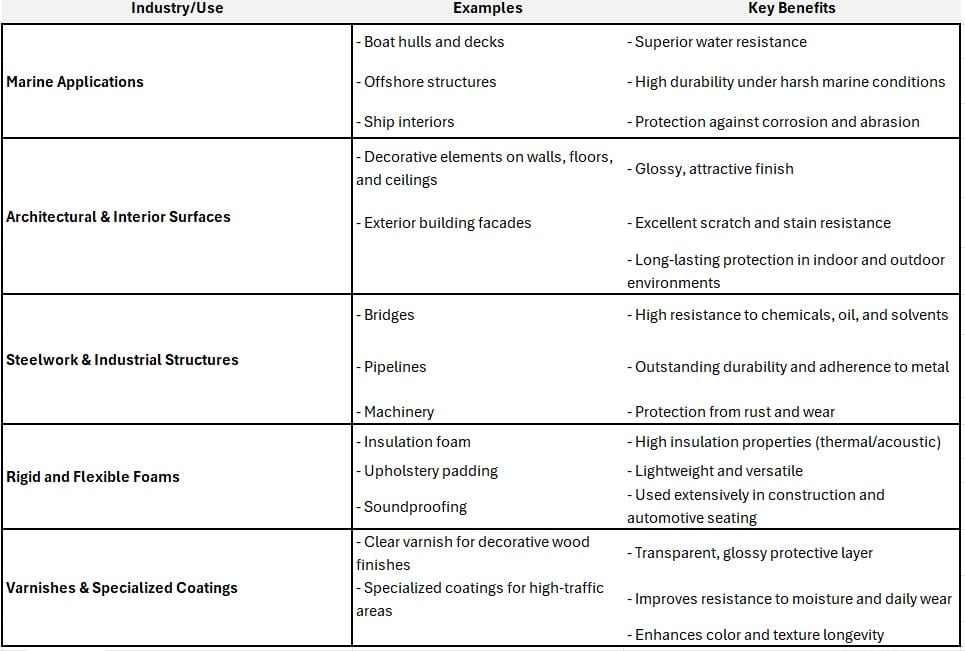
Polyurethane paint, also referred to as PU paint or PU coating, is a durable, highly-resistant coating used in industrial and architectural coating systems. It is popular in the marine industry and is used for numerous applications including coatings, rigid and flexible foams, and varnishes. It is also used in steelwork, concrete, wood, and other substrates.
Polyurethane is a reaction polymer, a combination of a polyol resin and an isocyanate hardener or curing agent. Essentially, a polyurethane coating is a liquid plastic which dries to form a paint-like film on an underlying substance or layer. Polyurethane paint provides durability, resistance to chemicals, water, abrasion, and temperature, as well as an attractive glossy finish. The most common application of polyurethane is as a solid foam, accounting for approximately 60% of all polyurethane produced.
Single-Part vs Two-Part Polyurethane Paint Comparison
Polyurethane marine paints are available in single-part and two-part formulations, each suited to different applications, experience levels, and durability requirements.
Quick takeaway: Single-part polyurethane is ideal for ease and maintenance, while two-part polyurethane delivers maximum durability and gloss when applied correctly.
What is polyurethane used for?
Polyurethane is a versatile material that can be used for a wide variety of applications. It is commonly used in the manufacture of plastics, insulation, and coatings. Polyurethane is also used in the production of adhesives, sealants, and elastomers. In addition, polyurethane is often used as a food additive and as a component in medical devices. Polyurethane is an ideal material for many applications due to its durability, flexibility, and resistance to chemicals and abrasion.
Marine Polyurethane Clear Coat
Polyurethane can be used to protect a boats paint and to keep the finish on wooden marine vessels visually appealing and more durable. You can apply polyurethane over any type of paint if it is clean and prepared properly. Polyurethane coatings can be applied to exposed wooden surfaces to create a glossy finish that serves to repel water, resist corrosion, and protect from scratches, stains, and UV damage.
By choosing the right formulation of polyurethane paint or coating, you can achieve a balance of durability, resistance to harsh elements, and an attractive finish.
Top 10 Marine Uses for Polyurethane Paints and Coatings
Polyurethane coatings are prized in the marine industry for their high-gloss finish, UV resistance, and long-term durability. From protecting fiberglass hulls to sealing teak brightwork, polyurethane can handle nearly every above-water challenge on a boat.
1. Boat Hulls and Topsides
Two-part marine polyurethanes create a mirror-smooth, durable surface that resists fading, chalking, and scuffing. Ideal for fiberglass, aluminum, and steel hulls.
2. Decks and Walkways
Polyurethane’s abrasion resistance and flexibility make it excellent for high-traffic deck areas. Non-skid additives can be mixed in for traction.
3. Masts and Rigging Components
Lightweight aluminum spars and hardware benefit from polyurethane’s UV protection and corrosion resistance—keeping bright finishes glossy for years.
4. Engine Rooms and Bilges
Moisture, fuel, and oil exposure demand a tough coating. Polyurethane resists chemicals better than standard enamels while maintaining color stability in confined, humid spaces.
5. Metal Rails and Fittings
Brushed-on polyurethane seals out salt spray and oxidation on stainless or powder-coated surfaces. It also provides an extra barrier against corrosion.
6. Marine Woodwork and Brightwork
Clear polyurethane varnishes showcase the natural grain of teak and mahogany while blocking UV and moisture. Excellent for cap rails, trim, and companionways.
7. Fiberglass Repair Overcoats
After structural repairs or gelcoat restoration, polyurethane provides a tough, glossy top layer that resists chalking and color fade.
8. Tops of Cabins and Superstructures
White or light-colored polyurethane coatings help reflect heat, keeping cabins cooler and reducing maintenance cycles on large vessels and yachts.
9. Marine Equipment and Machinery
Apply polyurethane to generators, cranes, and deck machinery for a resilient surface that handles vibration, oil, and salt exposure without flaking.
10. Trailers and Dock Hardware
Boat trailers, davits, and dock components coated with polyurethane enjoy exceptional chip and corrosion resistance, especially when exposed to road salt or brackish water.
Pro Tip
For best results, apply polyurethane paints over a compatible epoxy or polyurethane primer. Always follow manufacturer recoat windows and use proper safety gear—these coatings are durable because they’re catalyzed with strong chemistry!
Blue Water Marine Mega Gloss Polyurethane
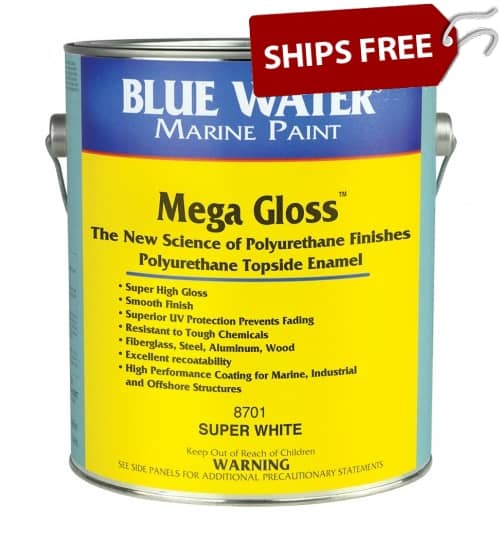
Mega Gloss by Blue Water Marine is a single component topside polyurethane enamel that can be used on fiberglass, wood, aluminum, and steel. It provides a hard protective coating for super high gloss, color retention, and long durability. Mega Gloss is fast drying which when brushed or rolled, it can also be sprayed, and offers a smooth finish, is resistant to tough chemicals, cleaning solutions and ultraviolet light.
Polyurethane Foam Uses
Sea Hawk Polyurethane Foam
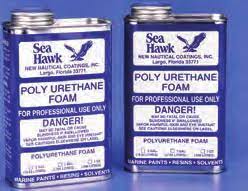
Sea Hawk polyurethane foam is urethane foam that provides excellent flotation, soundproofing or insulation. Mixed 1:1 and easy to install in hard-to-reach places. Poly-U-Foam bonds to wood, metal, and fiberglass. It foams wherever it is poured and is impervious to solvents and gasoline. A 2-quart kit will yield 2.5 cubic feet of space. Available in 2lb density. It is advised not to use below 70°F.
Liquid Urethane Foam Kit
Liquid urethane foam is a closed cell foam that comes in varied sizes, most commonly 2LB, 4LB, 8LB and 16LB densities. This two-part liquid, expanding rigid urethane foam is a closed cell, pourable foam, which will resist the absorption of water. It is the ideal boat foam for structural applications as it is resistant to water penetration and can be used for flotation, insulation, casting, carving, sculpting, sign making and areas where an extremely durable (you can penetrate with a fingernail) while it cannot be dented by hand, making it ideal for support.
Pettit Easypoxy/ EZ-Poxy
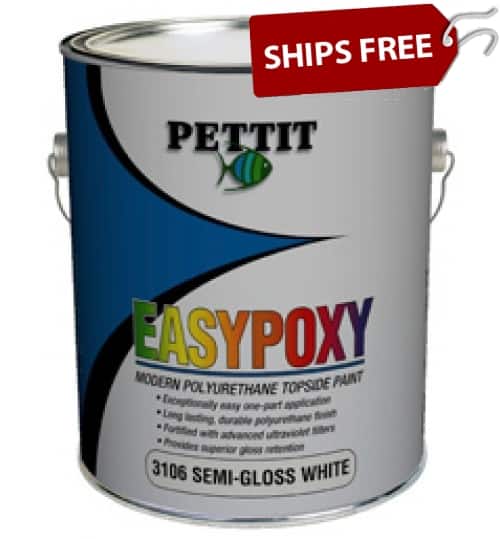
Pettit EZ-Poxy is an advanced one-part polyurethane topside and deck enamel. It’s a high gloss finish flows well when applied with a brush. It is a modern one-part polyurethane topside and deck enamel. It It’s use of silicone provides a brilliant shine and easy brush-ability. Its advanced ultraviolet filters enhance the superior gloss retention and durability of polyurethane. The result is a topside finish that is exceptionally easy to apply, producing a lasting gelcoat-like brilliance with a minimum of effort. It is more economical, requires less effort, and is more forgiving than the competition.
Easypoxy’s innovative ultraviolet filters improve gloss retention and enhance the polyurethane’s durability. This results in an end product that is simple to apply and easily creates an enduring shine and superior gloss retention, similar to that of polished gelcoat. Pettit Easypoxy is available in numerous colors.
Interlux Spray Reducing Solvent
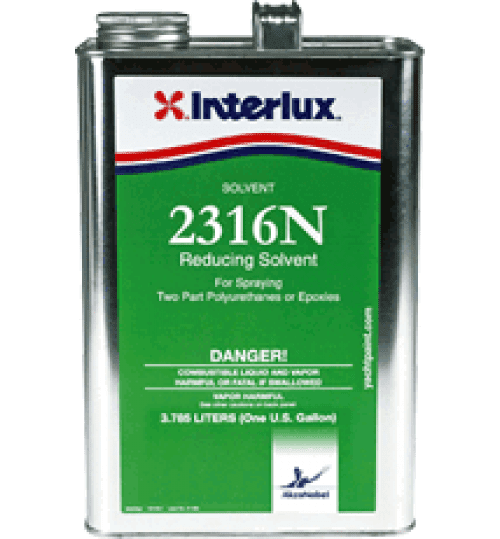
Interlux’s Reducing Solvent 2316N is for use in specific two-part polyurethane and epoxy products. It is an amazingly effective, fast evaporating solvent. Safe for aluminum outdrives. Refer to the specific product directions for the amount to be used.
Interlux Pre-Kote
Pre-Kote® is a unique V.O.C. compliant, single package, undercoater or primer for use with Brightside® Polyurethane, Yacht Enamels, or anyone-part topside finish. Microspheres give Pre-Kote® superior build and hide while improving flow and sandability. Use anywhere above the true waterline where a coating is needed to provide a smooth, fair surface for overcoating with a topside enamel.
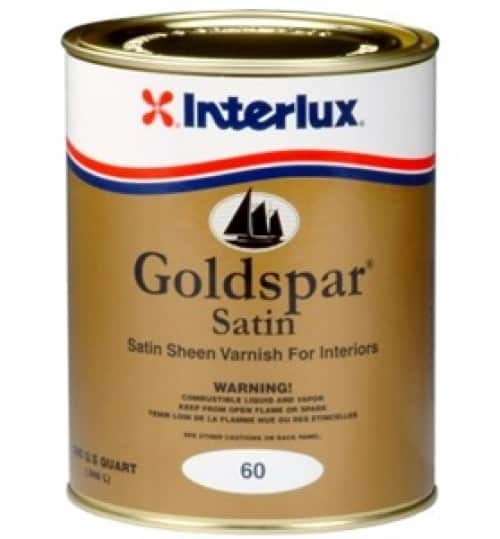
Interlux Goldspar Satin Varnish
Designed for interior wood surfaces, Interlux Goldspar Satin Varnish is a modified polyurethane low luster varnish. It produces a rich satin sheen finish that resists scratches and stains and applies easily enough to yield truly professional results by either brush or spray. It’s low luster finish makes it ideal for cabin soles, cabinets, counters, tables, as well as home interior finishes.
Urethane Paint
Urethane paint was created in the mid-1960s, utilizing newly developed plastics technology, and designed to be superior to enamel paint in terms of durability by mixing pigment with polyurethanes, which act as the binder to hold the pigment molecules together. Semi-gloss urethane paints have been developed, but all urethane paint will have some degree of glossiness, because the same properties that make it resilient also make it reflect light. It has become a staple in the marine and automotive industry because of its durability.
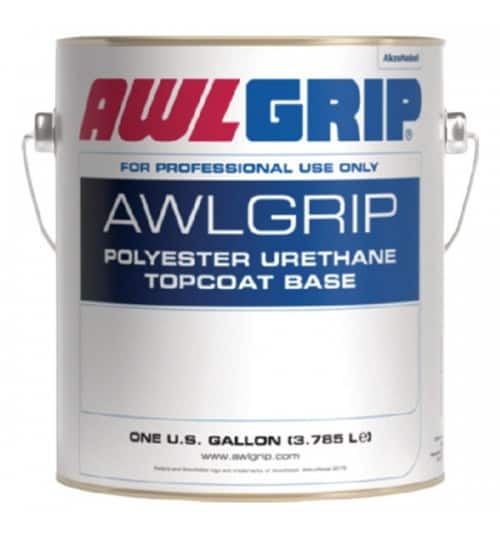
AwlGrip Topcoat
AwlGrip Topcoat is a polyester based high gloss polyurethane topcoat giving long lasting gloss and color retention. It can only be applied above the waterline of your boat by either a brush, roller, or spray. You should apply Awlgrip Topcoat in two coats of 1.5 to 2.5 mils WFT each and allow 16 hours between each coat. Sanding between coats with 280 to 400 grit paper will provide a smoother finish.
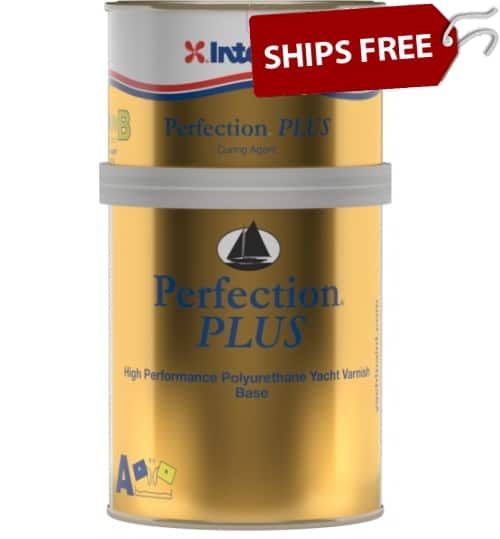
Interlux Perfection Plus
Considered by many as the ultimate clear wood varnish, Interlux Perfection Plus is a high-performance clear polyurethane, offering multiple solutions from one product delivering the ultimate in clear wood coating performance. The chemical cure urethane formulation combines with a best-in-class UV and HALS package to offer outstanding chemical and abrasion resistance, and superb gloss and gloss retention. It typically lasts four times longer than conventional one-part varnishes and can is suitable for all woods, including teak.