
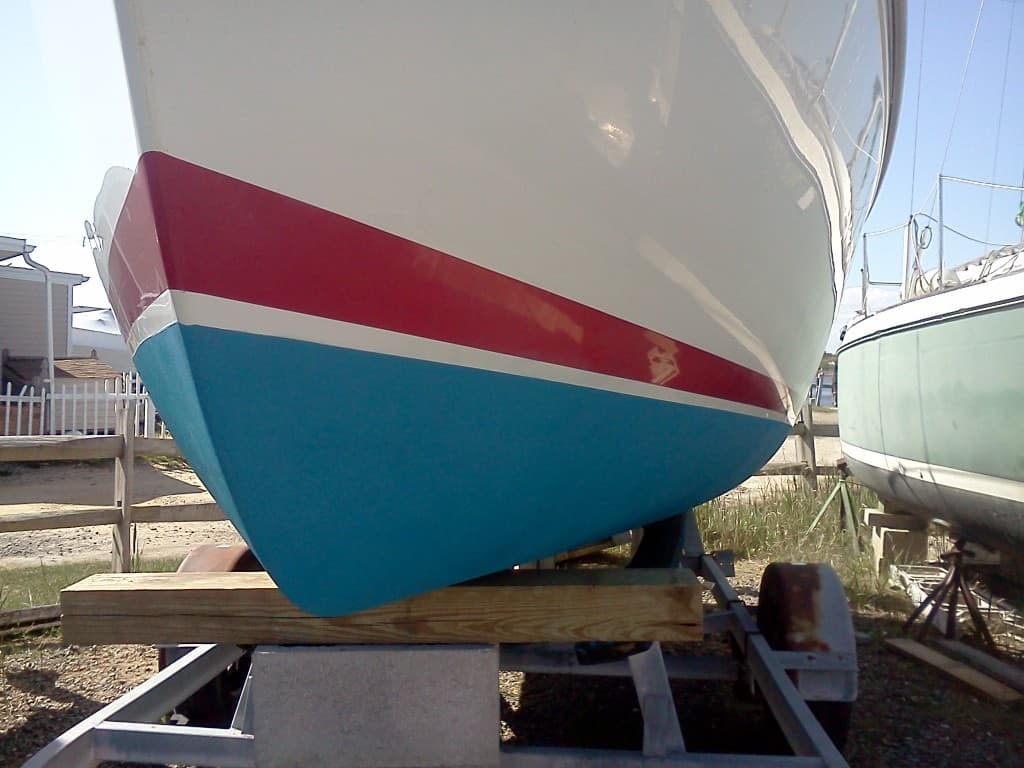
In this article, we will briefly describe some of the different types of boat paint that can be used to repair, restore, protect, and make your boat looks its best.
Quick Answer: What Are the Different Types of Boat Paint?
The main types of boat paint include bottom paint, topside paint, deck paint, gelcoat, primers, barrier coats, varnish, and specialty marine coatings. Each type is designed for a different part of the boat, so the best choice depends on whether you are painting below the waterline, above the waterline, decks, fiberglass, wood, aluminum, steel, or underwater running gear.
For most boat owners, the most important distinction is between bottom paint and topside paint. Bottom paint is used below the waterline to help prevent marine growth. Topside paint is used above the waterline to improve appearance and protect exposed surfaces from sun, salt, moisture, and wear.
Boat Paint Types Comparison
| Boat Paint Type | Best Used For | What It Does |
|---|---|---|
| Bottom Paint | Hull areas below the waterline | Helps reduce barnacles, algae, slime, and other marine growth on boats kept in the water. |
| Ablative Bottom Paint | Cruising boats, sailboats, powerboats, and seasonal use | Gradually wears away to expose fresh antifouling protection and reduce paint buildup. |
| Hard Bottom Paint | Fast boats, racing boats, trailered boats, and boats cleaned regularly | Forms a durable coating that resists scrubbing and can be sanded smooth. |
| Topside Paint | Hull sides, cabins, trim, and surfaces above the waterline | Provides color, gloss, UV resistance, and protection for exposed marine surfaces. |
| Deck Paint | Boat decks, walkways, cockpit floors, and high-traffic areas | Protects surfaces from wear and can be used with non-skid additives for better traction. |
| Gelcoat | Fiberglass repair, restoration, chips, gouges, and cosmetic repairs | Restores or repairs the original fiberglass surface and creates a hard, glossy finish. |
| Marine Primer | Prepared fiberglass, wood, metal, or old paint before topcoating | Improves adhesion, sealing, and surface uniformity before applying finish coats. |
| Epoxy Barrier Coat | Fiberglass hulls below the waterline | Helps seal the hull and protect against water intrusion before bottom paint is applied. |
| Marine Varnish | Wood trim, teak, mahogany, rails, hatches, and brightwork | Protects wood from sunlight, moisture, salt, and weather while enhancing appearance. |
| Specialty Coatings | Props, running gear, inflatables, aluminum, steel, or specific substrates | Designed for surfaces or conditions that require a specialized coating system. |
Best Boat Paint Choice by Project
| Project | Recommended Paint Type | Why |
|---|---|---|
| Painting the bottom of a boat kept in the water | Antifouling bottom paint | Bottom paint is designed to help prevent marine growth below the waterline. |
| Painting the hull sides above the waterline | Topside paint | Topside paint provides gloss, color, UV resistance, and weather protection. |
| Painting boat decks or walkways | Deck paint with non-skid additive | Helps protect high-traffic areas and improve traction underfoot. |
| Repairing fiberglass chips or gouges | Gelcoat repair product | Gelcoat is commonly used to repair and blend damaged fiberglass surfaces. |
| Sealing a fiberglass hull before bottom paint | Epoxy barrier coat | Barrier coat helps seal fiberglass before antifouling paint is applied. |
| Painting aluminum boats | Aluminum-safe primer and paint system | Aluminum requires compatible coatings, especially below the waterline. |
| Restoring exterior wood trim | Marine varnish or polyurethane varnish | Varnish protects wood while enhancing the natural grain and appearance. |
| Painting propellers and running gear | Specialty running gear coating | Props, shafts, and running gear need coatings designed for metal, motion, and underwater exposure. |
| Changing the color of a fiberglass boat | Topside paint or professional marine paint system | Marine paint is often more practical than re-gelcoating for larger color changes. |
What to Consider Before Choosing Boat Paint
Before choosing boat paint, first identify where the coating will be used. A paint designed for topsides should not automatically be used below the waterline, and bottom paint should not be used as a general-purpose finish for decks, cabins, or trim. The coating must match the surface, exposure, and purpose.
You should also consider the boat material, existing coating, water conditions, boat speed, storage method, and maintenance routine. Fiberglass, wood, aluminum, steel, and previously painted surfaces may each require different primers, preparation steps, and compatible paint systems.
Bottom Paint vs Topside Paint
| Feature | Bottom Paint | Topside Paint |
|---|---|---|
| Used Where? | Below the waterline | Above the waterline |
| Main Purpose | Helps reduce marine growth | Improves appearance and protects from sun, salt, and weather |
| Finish | May be matte, semi-smooth, hard, or ablative depending on the product | Usually chosen for gloss, color, and appearance |
| Common Surfaces | Underwater fiberglass, wood, steel, or properly prepared aluminum | Fiberglass, wood, metal, cabins, hull sides, and trim above the waterline |
| Can It Be Used Interchangeably? | No. Bottom paint is not a substitute for topside paint. | No. Topside paint is not a substitute for antifouling bottom paint. |
Common Questions About the Different Types of Boat Paint
What kind of paint do you use on a boat?
The kind of paint you use depends on the part of the boat being painted. Use bottom paint below the waterline, topside paint above the waterline, deck paint for walkways and cockpit areas, gelcoat for fiberglass repairs, and marine varnish for exposed wood.
What is the difference between bottom paint and topside paint?
Bottom paint is used below the waterline to help prevent marine growth. Topside paint is used above the waterline to protect and improve the appearance of hull sides, cabins, trim, and other exposed surfaces. They are designed for different jobs and should not be used interchangeably.
What paint should I use below the waterline?
Below the waterline, use antifouling bottom paint that is compatible with your hull material, existing paint, water conditions, and boat usage. In some cases, a primer or epoxy barrier coat may be needed before applying bottom paint.
What paint should I use above the waterline?
Above the waterline, use marine topside paint, polyurethane paint, enamel, or another coating designed for exterior marine exposure. These paints are made to provide color, gloss, UV resistance, and protection against salt, moisture, and weather.
Can I use regular paint on a boat?
Regular household or non-marine paint is usually not recommended for boats. Marine paints are designed for water exposure, sunlight, salt, abrasion, flexing, and the specific surfaces found on boats. Using the wrong paint can lead to peeling, fading, poor adhesion, or coating failure.
Is gelcoat the same as boat paint?
No. Gelcoat is the original outer finish used on many fiberglass boats and is often used for fiberglass repairs. Boat paint is a coating applied over a prepared surface for protection, color, or antifouling performance. Gelcoat and boat paint are related, but they are not the same product.
Do I need primer before painting a boat?
Primer may be needed depending on the surface, existing coating, and paint system. Primers can improve adhesion, seal repairs, create a smoother surface, and help the finish coat perform properly. Always follow the paint manufacturer’s surface preparation and primer recommendations.
What is the best boat paint for fiberglass?
The best boat paint for fiberglass depends on the area being painted. Use bottom paint below the waterline, topside paint above the waterline, deck paint for walking surfaces, and gelcoat repair products for chips, gouges, or cosmetic fiberglass repairs.
What is the best boat paint for aluminum?
Aluminum boats require coatings that are compatible with aluminum. Use an aluminum-safe primer and paint system, especially below the waterline. Avoid copper-based bottom paints on aluminum unless the product is specifically labeled safe for aluminum use.
How do I know which boat paint to buy?
Start by identifying the surface material, where the paint will be used, and whether the area is above or below the waterline. Then check the existing coating, compatibility requirements, water conditions, and manufacturer instructions before selecting primer, paint, or related products.
Recommended Boat Paint Products and Supplies
Bottom Paint Store carries bottom paint, topside paint, deck paint, gelcoat repair products, primers, epoxy barrier coats, marine varnish, specialty coatings, rollers, brushes, sandpaper, solvents, cleaners, paint removers, and application supplies. The right product depends on your boat material, project type, existing coating, and whether the surface is above or below the waterline.
What Are the Different Types of Boat Paint?
The main types of boat paint include bottom paint, topside paint, deck paint, gelcoat, primers, barrier coats, varnish, and specialty marine coatings. Each type is designed for a different part of the boat, so the best choice depends on whether you are painting below the waterline, above the waterline, decks, fiberglass, wood, aluminum, steel, or underwater running gear.
For most boat owners, the most important distinction is between bottom paint and topside paint. Bottom paint is used below the waterline to help prevent marine growth. Topside paint is used above the waterline to improve appearance and protect exposed surfaces from sun, salt, moisture, and wear.
Boat Paint Types Comparison
| Boat Paint Type | Best Used For | What It Does |
|---|---|---|
| Bottom Paint | Hull areas below the waterline | Helps reduce barnacles, algae, slime, and other marine growth on boats kept in the water. |
| Ablative Bottom Paint | Cruising boats, sailboats, powerboats, and seasonal use | Gradually wears away to expose fresh antifouling protection and reduce paint buildup. |
| Hard Bottom Paint | Fast boats, racing boats, trailered boats, and boats cleaned regularly | Forms a durable coating that resists scrubbing and can be sanded smooth. |
| Topside Paint | Hull sides, cabins, trim, and surfaces above the waterline | Provides color, gloss, UV resistance, and protection for exposed marine surfaces. |
| Deck Paint | Boat decks, walkways, cockpit floors, and high-traffic areas | Protects surfaces from wear and can be used with non-skid additives for better traction. |
| Gelcoat | Fiberglass repair, restoration, chips, gouges, and cosmetic repairs | Restores or repairs the original fiberglass surface and creates a hard, glossy finish. |
| Marine Primer | Prepared fiberglass, wood, metal, or old paint before topcoating | Improves adhesion, sealing, and surface uniformity before applying finish coats. |
| Epoxy Barrier Coat | Fiberglass hulls below the waterline | Helps seal the hull and protect against water intrusion before bottom paint is applied. |
| Marine Varnish | Wood trim, teak, mahogany, rails, hatches, and brightwork | Protects wood from sunlight, moisture, salt, and weather while enhancing appearance. |
| Specialty Coatings | Props, running gear, inflatables, aluminum, steel, or specific substrates | Designed for surfaces or conditions that require a specialized coating system. |
Best Boat Paint Choice by Project
| Project | Recommended Paint Type | Why |
|---|---|---|
| Painting the bottom of a boat kept in the water | Antifouling bottom paint | Bottom paint is designed to help prevent marine growth below the waterline. |
| Painting the hull sides above the waterline | Topside paint | Topside paint provides gloss, color, UV resistance, and weather protection. |
| Painting boat decks or walkways | Deck paint with non-skid additive | Helps protect high-traffic areas and improve traction underfoot. |
| Repairing fiberglass chips or gouges | Gelcoat repair product | Gelcoat is commonly used to repair and blend damaged fiberglass surfaces. |
| Sealing a fiberglass hull before bottom paint | Epoxy barrier coat | Barrier coat helps seal fiberglass before antifouling paint is applied. |
| Painting aluminum boats | Aluminum-safe primer and paint system | Aluminum requires compatible coatings, especially below the waterline. |
| Restoring exterior wood trim | Marine varnish or polyurethane varnish | Varnish protects wood while enhancing the natural grain and appearance. |
| Painting propellers and running gear | Specialty running gear coating | Props, shafts, and running gear need coatings designed for metal, motion, and underwater exposure. |
| Changing the color of a fiberglass boat | Topside paint or professional marine paint system | Marine paint is often more practical than re-gelcoating for larger color changes. |
What to Consider Before Choosing Boat Paint
Before choosing boat paint, first identify where the coating will be used. A paint designed for topsides should not automatically be used below the waterline, and bottom paint should not be used as a general-purpose finish for decks, cabins, or trim. The coating must match the surface, exposure, and purpose.
You should also consider the boat material, existing coating, water conditions, boat speed, storage method, and maintenance routine. Fiberglass, wood, aluminum, steel, and previously painted surfaces may each require different primers, preparation steps, and compatible paint systems.
Bottom Paint vs Topside Paint
| Feature | Bottom Paint | Topside Paint |
|---|---|---|
| Used Where? | Below the waterline | Above the waterline |
| Main Purpose | Helps reduce marine growth | Improves appearance and protects from sun, salt, and weather |
| Finish | May be matte, semi-smooth, hard, or ablative depending on the product | Usually chosen for gloss, color, and appearance |
| Common Surfaces | Underwater fiberglass, wood, steel, or properly prepared aluminum | Fiberglass, wood, metal, cabins, hull sides, and trim above the waterline |
| Can It Be Used Interchangeably? | No. Bottom paint is not a substitute for topside paint. | No. Topside paint is not a substitute for antifouling bottom paint. |
Common Questions About the Different Types of Boat Paint
What kind of paint do you use on a boat?
The kind of paint you use depends on the part of the boat being painted. Use bottom paint below the waterline, topside paint above the waterline, deck paint for walkways and cockpit areas, gelcoat for fiberglass repairs, and marine varnish for exposed wood.
What is the difference between bottom paint and topside paint?
Bottom paint is used below the waterline to help prevent marine growth. Topside paint is used above the waterline to protect and improve the appearance of hull sides, cabins, trim, and other exposed surfaces. They are designed for different jobs and should not be used interchangeably.
What paint should I use below the waterline?
Below the waterline, use antifouling bottom paint that is compatible with your hull material, existing paint, water conditions, and boat usage. In some cases, a primer or epoxy barrier coat may be needed before applying bottom paint.
What paint should I use above the waterline?
Above the waterline, use marine topside paint, polyurethane paint, enamel, or another coating designed for exterior marine exposure. These paints are made to provide color, gloss, UV resistance, and protection against salt, moisture, and weather.
Can I use regular paint on a boat?
Regular household or non-marine paint is usually not recommended for boats. Marine paints are designed for water exposure, sunlight, salt, abrasion, flexing, and the specific surfaces found on boats. Using the wrong paint can lead to peeling, fading, poor adhesion, or coating failure.
Is gelcoat the same as boat paint?
No. Gelcoat is the original outer finish used on many fiberglass boats and is often used for fiberglass repairs. Boat paint is a coating applied over a prepared surface for protection, color, or antifouling performance. Gelcoat and boat paint are related, but they are not the same product.
Do I need primer before painting a boat?
Primer may be needed depending on the surface, existing coating, and paint system. Primers can improve adhesion, seal repairs, create a smoother surface, and help the finish coat perform properly. Always follow the paint manufacturer’s surface preparation and primer recommendations.
What is the best boat paint for fiberglass?
The best boat paint for fiberglass depends on the area being painted. Use bottom paint below the waterline, topside paint above the waterline, deck paint for walking surfaces, and gelcoat repair products for chips, gouges, or cosmetic fiberglass repairs.
What is the best boat paint for aluminum?
Aluminum boats require coatings that are compatible with aluminum. Use an aluminum-safe primer and paint system, especially below the waterline. Avoid copper-based bottom paints on aluminum unless the product is specifically labeled safe for aluminum use.
How do I know which boat paint to buy?
Start by identifying the surface material, where the paint will be used, and whether the area is above or below the waterline. Then check the existing coating, compatibility requirements, water conditions, and manufacturer instructions before selecting primer, paint, or related products.
Boat Paint Selection Checklist
- Identify whether the surface is above or below the waterline
- Confirm the boat material: fiberglass, wood, aluminum, steel, or inflatable surface
- Check the condition and type of existing paint or gelcoat
- Decide whether the goal is antifouling protection, appearance, repair, traction, or wood protection
- Choose the correct primer or barrier coat when required
- Confirm compatibility before painting over an old coating
- Check dry time, recoat time, cure time, and launch window
- Use marine-grade rollers, brushes, sandpaper, solvents, and safety supplies
Recommended Boat Paint Products and Supplies
Bottom Paint Store carries bottom paint, topside paint, deck paint, gelcoat repair products, primers, epoxy barrier coats, marine varnish, specialty coatings, rollers, brushes, sandpaper, solvents, cleaners, paint removers, and application supplies. The right product depends on your boat material, project type, existing coating, and whether the surface is above or below the waterline.
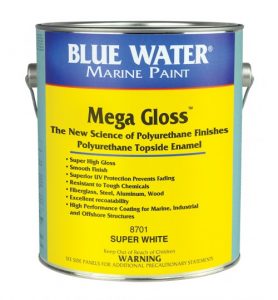
Topside boat paint is a type of paint you apply above the waterline of a boat. This can include the sides of the hull, deck, as well as interior. Marine topside paints usually consist of one-part polyurethane, two-part polyurethane, and alkyd marine enamel. There are also buffable, two-part acrylic urethanes. Due to the sun’s rays, your boat is vulnerable to UV damage so coating your upper hull and deck with good topside paint can go a long way to protecting your boat.
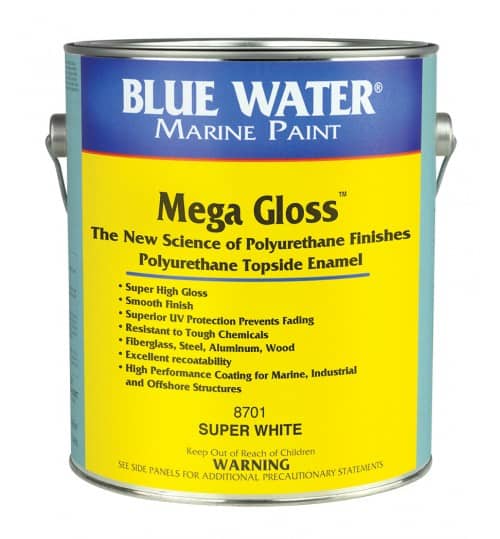
Aluminum boat paint can be used for many purposes including to camouflage, decorate, refurbish, or restore and touch up aluminum boat surfaces. Paint that is safe for aluminum and can be applied without a primer and can be used below or above the waterline. If you don’t take care of your aluminum boat, it will eventually start to show its age. One way to keep your aluminum boat looking new is to touch up the paint when it starts to fade or chip. Touching up the paint on your aluminum boat is a relatively simple process.
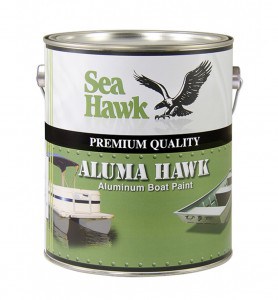
Aluma Hawk is a high-solids, quick drying corrosion inhibiting coating designed for use on aluminum. It requires no primer and can be applied below or above the waterline with no antifouling characteristics; it also contains dual purpose phenolic resin which makes it possible to use as both primer (for metals) AND topcoat if needed!
Duralux Paint is available in a variety of colors to satisfy the most discriminating boat owner’s eye, Duralux offers a complete line of products including enamels and spar varnish. Duralux aluminum boat paint is a solid choice for those who want great protection for their aluminum boat.

Fiberglass coatings usually consist of gelcoat, gelcoat putties, resins, restoration solutions, repair kits, and tools/materials. Gel coats are often used to touch up or repair a boat’s finish. They have a much shorter shelf life and can be a lot more difficult to apply than paint so the manufacturer’s instructions must be carefully followed to ensure a successful result.
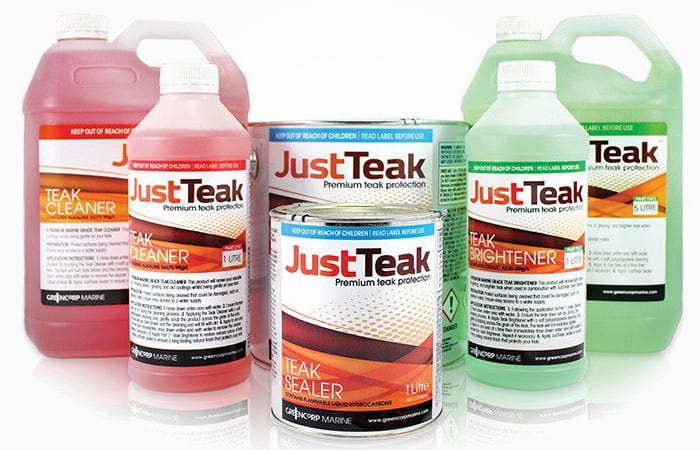
Wood boat paint typically includes traditional types of oil-based finishes, as two-part paints tend to be less flexible. Because wood can flex and swell, especially along seams, expensive finishes will not last any longer than traditional stain or paint. Teak can be used to prevent fading on a boat’s wood finish. If left untreated, it will often fade which leads to the need to clean or treat the wood so it is not susceptible to rot, mildew, and discoloration.
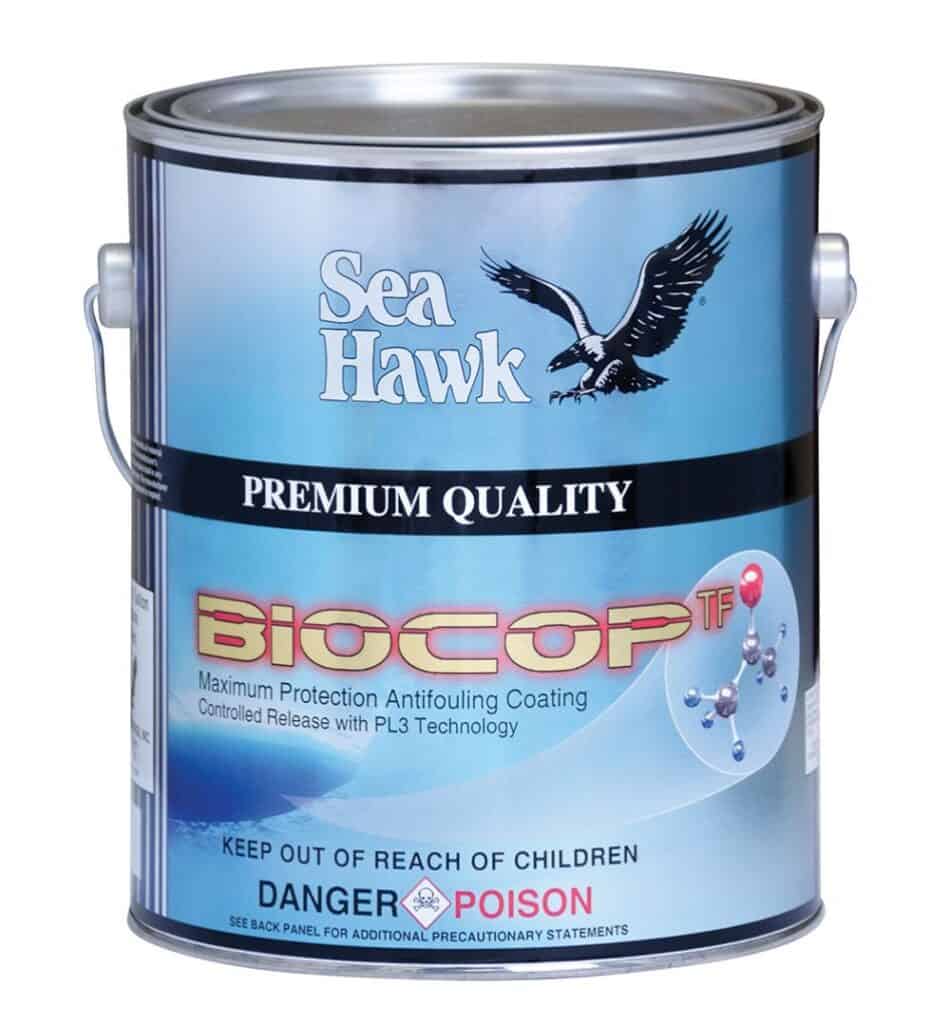
Bottom boat paint is antifouling paint or coating designed to diminish weeds, barnacles, and other aquatic organisms that can attach below the waterline of a boat and cause damage. Bottom paint includes ablative bottom paint, hard boat bottom paint, aluminum safe bottom paint, primers for bottom paint, and boat bottom paint remover.
Boat Paint Selection Checklist
- Identify whether the surface is above or below the waterline
- Confirm the boat material: fiberglass, wood, aluminum, steel, or inflatable surface
- Check the condition and type of existing paint or gelcoat
- Decide whether the goal is antifouling protection, appearance, repair, traction, or wood protection
- Choose the correct primer or barrier coat when required
- Confirm compatibility before painting over an old coating
- Check dry time, recoat time, cure time, and launch window
- Use marine-grade rollers, brushes, sandpaper, solvents, and safety supplies
If you need assistance selecting the right marine boat paint for your next project see Bottom Paint Store’s how-to articles or call our technical support department Monday-Friday from 8:30-5:00 pm EST 888-505-2313.
 gray, Jon boat green, and black.