Last Updated: January 9, 2026
Quick Recommendation
How to Maintain and Restore Boat Gelcoat
- For routine maintenance: Wash regularly with a non-abrasive boat soap and apply a UV-protective marine wax to prevent oxidation and fading.
- For light oxidation or dullness: Use a gelcoat cleaner or mild polish to restore shine before sealing with wax.
- For heavy oxidation or chalking: Start with a compound, follow with a polish, then protect with a marine-grade wax or sealant.
- Bottom line: Regular cleaning and protection prevent major restoration work; neglected gelcoat requires compounding, polishing, and sealing to fully restore appearance.
Tip: Always test compounds and polishes on a small area first, and avoid aggressive abrasives that can permanently thin the gelcoat.
As you haul your boat out of storage you may want to get the gelcoat shining once again.
Use the steps below as needed:
New Boats
Which Products To Use:
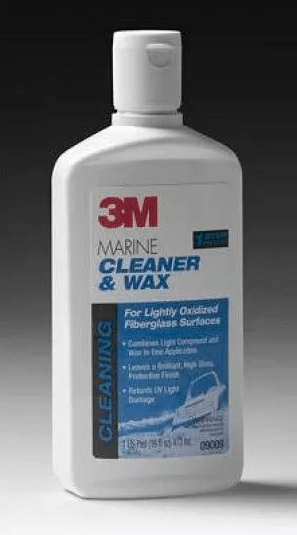
If your boat is new and the finish is still in good condition with little to no oxidation, you can use a one-step clean-and-wax product that combines washing and waxing in one step. We recommend using the 3M Marine Cleaner and Wax.
If your boat has light gelcoat oxidation use the least aggressive method, if possible, to prolong the life of gelcoat. We recommend cleaning with marine boat soap and buffing with the 3M Imperial Compound. Avoid direct sunlight and room temperature is best for application.
Note: An easy way to determine if gelcoat is oxidized is by wiping your hand across the surface. If any chalk wipes off on your hand, the gelcoat is oxidized and you will need to wash and buff the surface before polishing.
Follow these three simple steps to polish your gelcoat:
Step 1: Once you know which polish to use we recommend using a high-quality microfiber towel to apply the product. Avoid low-quality towels because they will shed fibers and leave streaks and residue on the boat.
Step 2: Wet the microfiber rag, remove any excess and apply a tablespoon of polish to the rag. This amount of polish will work for a few square feet. Remember, you want to work in small areas in order to cover the entire surface correctly.
Before buffing, spread the polish evenly across the boat’s gelcoat. You will get the best results when working the polish into the surface with circular motions.
Step 3: Once the polish dries into a haze you can remove it with a clean dry rag. Make sure you get in all the nooks and cracks for a smooth beautiful finish.
Older Boats
If your boat has been in contact with the elements over long periods of time (10-15 years), the process of restoring the appearance of the gelcoat will take some additional steps.
Step 1: Clean the surface. For boats that need a more aggressive cleaning just wash the surface and remove any loose contaminants. You can use a non-abrasive light detergent (marine boat soap) to remove all surface dirt and all previously applied coatings.
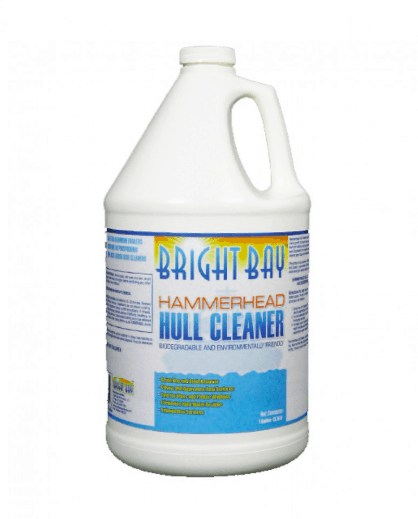
If you need something stronger to remove surface rust, oil, tar, algae discoloration, black streaks caused from water runoff, exhaust and waterline scum, or other stains we recommend using an acid-based stain remover like Hammerhead Hull Cleaner. It is important to completely remove all stains before waxing, or you’ll seal in the stain.
Step 2: Select your compound. If your boat is a bit more oxidized a rubbing compound (liquid abrasive which “sands” your hull) is needed, but do so carefully as you can run through the gelcoat. The more faded your hull the more compounding you’ll need. The 3M Imperial Compound usually applied with a polisher if possible and compatible 3M pads, like the white 100% wool pad, recommended by 3M. Keep product off bottom paint, if applicable, by taping off as it can spatter. If the compound isn’t strong enough for your level of oxidation and scratches, then you may need to “pretreat” with a 1200 (or 800) grit as needed prior to the compound.
Note: When buffing, you should work on small sections of the hull (3-5ft sections is recommended). It is important to keep the wool pad damp. If you notice the pad is dry and the wool looks ‘matted’ after working the material into one area, just rake the wool back into form with a pad spur and re-wet the pad to continue with the application.
Step 3: Polish the surface. We offer the 3M Finesse-It II or Aqua buff 1000, to help provide a nice finish to the gelcoat after compounding and bring it to a gloss. Apply with the yellow pad by 3M.
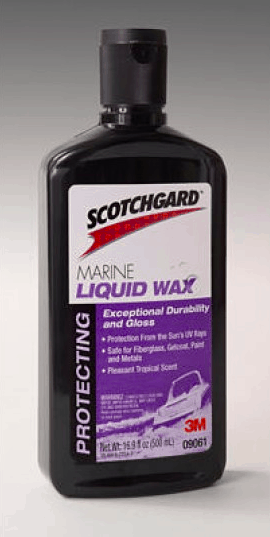
Step 4: Wax to seal. The last step is a wax coat such as Scotchguard Marine Liquid Wax or 3M Ultra Performance wax. These helps to seal and protect all the work you’ve just completed.
Gelcoat vs Topcoat
Gelcoat is a type of resin that is applied to the hull of a boat in order to give it a smooth, glossy finish. In addition to its aesthetic appeal, gelcoat also helps to protect the hull from UV damage and tough weather conditions. While gelcoat is typically clear, it can also be tinted to a color to give the boat a unique look.
Topcoat is applied above the waterline only and is typically a polyester based high gloss polyurethane that provides long lasting gloss and color retention. Topcoat is available in both clear and colored varieties, and it can also be glossy or matte finish.
Gelcoat Restoration Process (Step-by-Step)
Restoring gelcoat properly requires addressing oxidation in stages, then sealing the surface to protect it from UV damage and water exposure.
| Step | Purpose | When Needed |
|---|---|---|
| Wash & Decontaminate | Removes dirt, salt, and surface grime | Before any gelcoat work |
| Compound | Removes heavy oxidation and chalking | Gelcoat appears dull, rough, or faded |
| Polish | Refines surface and restores gloss | After compounding or for light oxidation |
| Wax or Seal | Protects against UV, water, and staining | Always after polishing |
When to Repair vs Restore Gelcoat
Not all gelcoat issues can be fixed with compounding and polishing. Use the guide below to determine whether restoration or repair is required.
- Restore gelcoat if the surface is faded, chalky, lightly scratched, or dull but still intact.
- Repair gelcoat if there are deep cracks, chips, blisters, exposed fiberglass, or structural damage.
- Re-gelcoating or repainting may be necessary if oxidation returns quickly or the gelcoat has been sanded too thin over time.
Rule of thumb: If the damage can’t be corrected with polishing alone, gelcoat repair products are the safer solution.
Gelcoat Maintenance & Restoration FAQs
How often should gelcoat be waxed?
Most boats benefit from waxing gelcoat every 3–6 months, depending on sun exposure and water conditions.
Can oxidized gelcoat be permanently fixed?
Oxidation can be removed, but regular waxing or sealing is required to prevent it from returning.
Is compounding bad for gelcoat?
Compounding is safe when done sparingly, but excessive compounding can thin the gelcoat over time.
Can gelcoat be restored without a buffer?
Light oxidation can be addressed by hand, but machine polishing is recommended for consistent results.
What causes gelcoat to fade or chalk?
UV exposure, saltwater, pollution, and lack of protective wax are the primary causes of gelcoat deterioration.
Products That Help Maintain and Restore Gelcoat
- Gelcoat repair kits for chips, cracks, and surface damage
- Marine rubbing compounds for oxidation removal
- Polishes designed to restore gloss and depth
- UV-protective marine waxes and sealants