
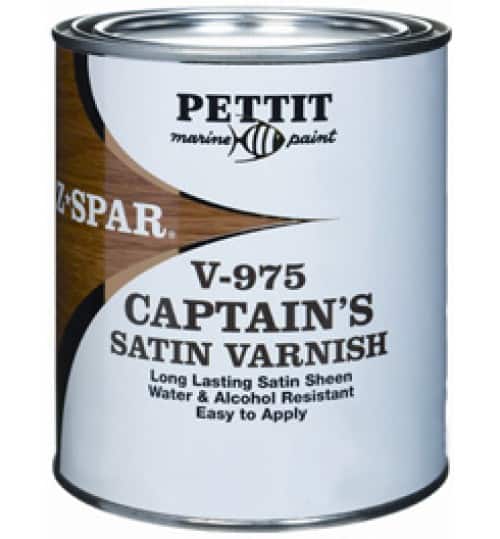
Introduction to Marine Varnish
Marine varnish is a specially formulated protective coating designed to safeguard wood in marine environments. Whether you’re a boat owner or someone who enjoys wooden outdoor furniture, marine varnish plays a crucial role in preserving the beauty and integrity of your wood surfaces. This varnish is engineered to withstand the harsh conditions of marine environments, including intense sunlight, moisture, and saltwater exposure. The primary benefits of marine varnish include UV protection, which prevents the wood from graying or fading, water resistance to guard against rot and swelling, and enhanced durability, ensuring the wood remains strong and beautiful for years to come.
Marine varnish, folks, is like the unsung hero of wood preservation. It’s the tough, gritty stuff that stands between your boat’s beautiful woodwork and the relentless assault of Mother Nature. Whether you’re cruising the high seas or just kicking back on some well-crafted outdoor furniture, marine varnish is what keeps your wood looking good and standing strong. It’s built to take a beating—from blistering sun, soaking rain, and even the salty spray of the ocean. This stuff doesn’t just sit there; it fights back, keeping your wood from graying, cracking, or rotting. In short, it’s the bodyguard your wood needs to stay tough, beautiful, and ready for whatever the elements throw at it.
What Is Marine Varnish Used For?
Marine varnish is used to protect wood from sunlight, moisture, saltwater, rain, and general outdoor exposure. It is commonly used on boat brightwork, teak, mahogany, trim, rails, doors, hatches, outdoor furniture, and other wood surfaces that need a durable, attractive finish.
Unlike regular interior varnish, marine varnish is designed for harsher conditions. A good marine varnish helps reduce UV damage, slows moisture absorption, enhances the natural look of wood, and helps prevent cracking, peeling, graying, and weathering when applied and maintained properly.
Best Marine Varnish Choice by Use Case
| Use Case | Recommended Varnish Type | Why It Works |
|---|---|---|
| Classic boat brightwork | Traditional spar varnish | Provides a warm, deep, classic finish with good flexibility for marine wood movement. |
| Teak, mahogany, and exterior trim | UV-resistant marine varnish | Helps protect exposed wood from sun, moisture, salt spray, and weathering. |
| High-gloss finish | Gloss marine varnish | Creates a deep, shiny finish that highlights the grain and appearance of the wood. |
| Softer, lower-sheen finish | Satin or matte marine varnish | Provides protection with a less reflective appearance for interiors or certain trim areas. |
| High-wear surfaces | Polyurethane varnish | Offers a harder finish with strong resistance to scratches, abrasion, and chemicals. |
| Maximum water resistance | Epoxy sealer with varnish topcoat | Epoxy can help seal the wood, while varnish adds UV protection and a finished appearance. |
| Outdoor furniture | Marine spar varnish | Protects wood exposed to sun, rain, temperature changes, and outdoor moisture. |
What to Consider Before Choosing Marine Varnish
Before choosing a marine varnish, consider the wood type, sun exposure, moisture exposure, desired gloss level, and how much maintenance you are willing to do. Wood exposed to direct sunlight and saltwater needs stronger UV and moisture resistance than interior wood or lightly exposed trim.
Traditional spar varnish is often chosen for classic boat brightwork because it provides a rich appearance and remains more flexible as wood expands and contracts. Polyurethane varnish is harder and more abrasion resistant, but it may be less flexible. Epoxy-based systems can provide strong moisture protection, but they usually require a UV-resistant varnish topcoat for exterior use.
Basic Marine Varnish Application Steps
| Step | What to Do | Why It Matters |
|---|---|---|
| 1. Clean the wood | Remove dirt, salt, oil, wax, old failing coating, and surface contamination. | Varnish needs a clean surface to bond correctly. |
| 2. Sand the surface | Sand smooth and follow the varnish manufacturer’s surface preparation instructions. | Sanding improves adhesion and helps create a smoother final finish. |
| 3. Remove dust | Vacuum, wipe, or use a tack cloth as directed before coating. | Dust left on the surface can create bumps, roughness, and poor finish quality. |
| 4. Apply thin coats | Brush with the grain and avoid heavy coats or over-brushing. | Thin coats dry more evenly and reduce runs, bubbles, and brush marks. |
| 5. Sand between coats | Lightly sand between coats once the varnish has dried enough to sand properly. | This helps each coat bond and improves the smoothness of the finish. |
| 6. Build enough coats | Apply multiple coats according to the product instructions and exposure level. | Marine varnish protection depends on building enough film thickness for UV and moisture resistance. |
| 7. Maintain the finish | Inspect regularly and recoat before the varnish cracks, peels, or fails. | Maintenance coats are easier than stripping and starting over. |
Common Questions About Marine Varnish
What is the difference between marine varnish and regular varnish?
Marine varnish is designed for outdoor and marine environments, so it typically offers better resistance to sunlight, moisture, salt spray, and wood movement than regular interior varnish. Regular varnish is usually better suited for indoor furniture, trim, and surfaces that are not exposed to harsh weather.
Is marine varnish the same as spar varnish?
Marine varnish and spar varnish are closely related terms, and many boat owners use them interchangeably. Spar varnish traditionally refers to a flexible exterior varnish used on boat spars and brightwork. Marine varnish is a broader term for varnishes designed to protect wood in marine conditions.
Does marine varnish waterproof wood?
Marine varnish helps protect wood from moisture and slows water absorption, but it should not be viewed as making wood completely waterproof forever. For best protection, the wood must be properly prepared, sealed, coated with enough varnish, and maintained before the coating breaks down.
How many coats of marine varnish do I need?
Many marine varnish jobs require multiple coats to build enough protection, especially on exterior wood exposed to sun and water. The exact number depends on the product, wood condition, exposure level, and whether you are applying over bare wood or maintaining an existing finish.
Do you sand between coats of marine varnish?
Yes, light sanding between coats is usually recommended once the previous coat has dried enough to sand. Sanding helps smooth the surface, remove dust or imperfections, and improve adhesion between coats. Always follow the product directions for sanding grit and recoat timing.
How long does marine varnish last?
Marine varnish can last one to several seasons depending on sun exposure, saltwater exposure, number of coats, product quality, and maintenance. Wood in harsh sunlight or saltwater usually needs inspection and maintenance more often than protected or interior wood.
Can marine varnish be used on outdoor furniture?
Yes, marine varnish can be used on outdoor wood furniture when you want added protection against sun, rain, and moisture. It is especially useful for furniture that sees heavy weather exposure, but it still needs regular inspection and maintenance.
Can I apply marine varnish over old varnish?
You can apply marine varnish over old varnish if the existing coating is clean, sound, sanded, and compatible with the new varnish. If the old varnish is peeling, cracked, soft, or lifting, it should be removed before recoating.
Is marine varnish better than polyurethane?
Marine varnish is often better for exterior boat wood that needs flexibility, UV protection, and a traditional appearance. Polyurethane can be harder and more abrasion resistant, but it may be less flexible. The better choice depends on the surface, exposure, desired finish, and maintenance expectations.
Why is my marine varnish peeling or cracking?
Marine varnish may peel or crack because of poor surface preparation, moisture under the coating, too few coats, heavy coats, missed sanding between coats, or long exposure without maintenance. Once varnish fails, damaged areas should be sanded back and recoated before the damage spreads.
Marine Varnish Project Checklist
- Marine varnish, spar varnish, or polyurethane varnish
- Wood cleaner or surface cleaner
- Sandpaper in the recommended grits
- Tack cloth or clean wiping cloths
- High-quality natural bristle or varnish brush
- Solvent or thinner recommended by the varnish manufacturer
- Masking tape and drop cloths
- Dust-free, dry, well-ventilated application area
- Maintenance coat schedule for exposed exterior wood
Recommended Marine Varnish Products and Supplies
Bottom Paint Store carries marine varnish, spar varnish, polyurethane varnish, wood finishing supplies, sandpaper, brushes, cleaners, solvents, and related marine coatings for boat brightwork, trim, rails, hatches, teak, mahogany, and outdoor wood surfaces. The best choice depends on the wood type, exposure level, desired finish, and whether you are applying a new finish or maintaining an existing one.
Types of Marine Varnish
When it comes to choosing the right marine varnish, it’s essential to understand the different types available, each offering distinct advantages depending on your specific needs.
Traditional Varnish:
Pros: Provides a warm, classic finish with excellent depth and clarity. It is easy to apply and can be repaired easily.
Cons: Requires multiple coats and regular maintenance. It may take longer to dry between coats.
Polyurethane Varnish:
Pros: Highly durable with strong resistance to scratches and chemicals. It provides a hard, glossy finish that requires less maintenance.
Cons: Can be more challenging to apply smoothly and is less flexible, which may lead to cracking over time.
Epoxy-Based Varnish:
Pros: Offers superior protection against water and UV rays. It bonds well to wood and provides a thick, durable layer.
Cons: More expensive and harder to apply, with limited flexibility, which may result in brittleness over time.
Each type of varnish has its strengths and weaknesses, making it important to match the product to your specific application and desired finish.
How to Choose the Right Marine Varnish
Selecting the right marine varnish involves considering several key factors:
Wood Type: Different woods react differently to varnishes. Hardwoods, such as teak and mahogany, may require different varnishes than softer woods like pine.
Exposure to Elements: Consider the environment where the wood will be used. For example, wood exposed to direct sunlight and saltwater will need a varnish with strong UV and water resistance.
Desired Finish: Some varnishes offer a high-gloss finish, while others provide a matte or satin appearance. Your aesthetic preferences will guide this choice.
| Factor | Traditional Varnish | Polyurethane Varnish | Epoxy-Based Varnish |
|---|---|---|---|
| Best For | Classic finishes | Durability | Superior protection |
| Ease of Application | Easy | Moderate | Challenging |
| UV Protection | Moderate | Good | Excellent |
| Water Resistance | Good | Excellent | Superior |
Step-by-Step Application Process
Applying marine varnish properly is key to achieving a smooth, durable finish. Follow these steps for the best results:
Surface Preparation:
Sand the wood surface to remove any old varnish, dirt, or debris. Start with coarse sandpaper and gradually move to finer grits.
Wipe the surface clean with a tack cloth to remove dust.
Applying the Varnish:
Stir the varnish gently to avoid bubbles. Use a high-quality, natural bristle brush for application.
Apply the first coat thinly, brushing in the direction of the wood grain. Allow it to dry according to the manufacturer’s instructions.
Lightly sand the surface between coats to ensure adhesion and smoothness.
Number of Coats:
Typically, 5-7 coats are recommended for optimal protection. The first few coats should be thinned for better penetration, followed by full-strength applications.
Drying Times:
Allow sufficient drying time between coats, usually 24 hours, to prevent issues like tackiness or uneven finish.
Tips:
Work in a dust-free environment to prevent particles from settling on the wet varnish.
Avoid over-brushing, which can lead to bubbles or brush marks.
Maintenance and Reapplication Tips
Maintaining marine varnish is essential for preserving its protective qualities. Here’s how to keep your varnished wood in top condition:
Regular Inspection:
Periodically check for signs of wear, such as dullness, cracking, or peeling. Early detection allows for easier repairs.
Cleaning:
Clean the varnished surface with mild soap and water. Avoid harsh chemicals that can damage the varnish.
Reapplication:
When the varnish begins to show signs of wear, lightly sand the surface and apply a fresh coat. This can extend the life of the varnish and keep the wood protected.
Seasonal Maintenance: In harsh environments, consider a touch-up or reapplication before the start of each season.
Common Problems and Troubleshooting
Even with the best preparation, issues can arise. Here’s how to handle common problems:
Peeling: Often caused by poor surface preparation or applying varnish in humid conditions. Sand down the affected area and reapply.
Cracking: Usually due to applying too thick a coat or using a varnish with low flexibility. Sand lightly and apply a more suitable varnish.
Bubbles: Caused by over-brushing or stirring the varnish too vigorously. Lightly sand the bubbles and recoat, taking care to avoid the same mistakes.
FAQs About Marine Varnish
Can marine varnish be used on outdoor furniture?
Yes, marine varnish can be used on outdoor furniture to protect against moisture and UV rays.
How long does marine varnish last?
With proper application and maintenance, marine varnish can last anywhere from 1 to 3 years before reapplication is needed, depending on exposure conditions.
Is marine varnish suitable for all types of wood?
Marine varnish is ideal for most hardwoods and softwoods, but it’s important to choose the right type of varnish for your specific wood.
Can I apply marine varnish over old varnish?
It’s best to sand down the old varnish to ensure a smooth, even surface before applying new coats.
Picking the right marine varnish and putting it on the right way isn’t just important—it’s downright necessary if you want your wood to survive out there in the wild. You’ve got to match the varnish to the job, slap it on with care, and keep an eye on it over time. Do that, and your wood will stay tough, good-looking, and ready for anything. Whether you’re sprucing up a boat or some backyard furniture, marine varnish is your wood’s best defense against the elements, keeping it in tip-top shape for years to come.