Last Updated: January 26, 2026
Quick Recommendation
How to Apply Paint to Polyethylene, Polypropylene & Plastic Blends
- Identify the plastic first: Polyethylene (PE) and polypropylene (PP) are low-surface-energy plastics and require special prep to hold paint.
- Use adhesion promoters: Apply a plastic adhesion promoter or flame-treat the surface before priming.
- Choose compatible coatings: Use paints specifically labeled for plastics or flexible substrates; standard marine paints may not bond.
- Bottom line: These plastics can be painted successfully only with proper surface activation and compatible primers—skipping prep leads to peeling.
Tip: If paint scratches off easily with a fingernail after curing, the surface wasn’t properly activated or primed.
You can apply paint over Polyethylene, Polypropylene, ABS, and PET/PBT Blends with proper surface preparation and primer.
1. First wipes down the surface with a 50/50 Isopropyl Alcohol such as Denatured Alcohol to remove any contaminants prior to sanding.
2. Sand the surface with 60-80 grit sandpaper.
3. Wipe down the surface again with 50/50 Isopropyl Alcohol ( Denatured Alcohol ) to remove all sanding residue.
4. Apply 3M Tape Primer over a small section.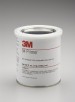
5. Apply a small test section of the desired Topcoat paint. Since there are so many type of paints, it is recommended to perform an adhesion test on the small area painted. Once the paint has dried perform a hatch test. Use a razor blade to cut into the paint and the primer and draw a 2-3 inch line. You should follow this at least 3 more parallel lines about 1cm apart. Then cut 4 more perpendicular line again about 1cm apart. It should like a large tic-tac-toe game. Finally, apply duct tape firmly and then pull the tape off quickly. If you have any paint or primer on the tape the adhesion is poor. If there is no paint or primer on the tape then it is safe to apply the primer and paint over the entire surface.
Quick Answer: Can You Paint Polyethylene, Polypropylene, ABS, and PET/PBT Plastics?
Yes, some plastics can be painted, but the surface preparation and primer choice are critical. ABS is usually easier to paint than polyethylene or polypropylene. Polyethylene and polypropylene are low-surface-energy plastics, which means paint does not naturally stick well without special preparation, adhesion promoter, flame treatment, or a compatible plastic primer.
PET and PBT blends can often be painted when the surface is cleaned, sanded, and primed correctly, but compatibility depends on the exact plastic blend and coating system. Before painting any plastic part, test adhesion in a small area and follow the paint or primer manufacturer’s instructions.
Plastic Paintability Comparison
| Plastic Type | Paintability | Recommended Prep |
|---|---|---|
| Polyethylene | Difficult | Clean thoroughly, abrade if appropriate, and use a compatible adhesion promoter or specialty primer designed for polyethylene. |
| Polypropylene | Difficult | Clean thoroughly and use a plastic adhesion promoter or primer made for low-surface-energy plastics. |
| ABS | Moderate to good | Clean, lightly sand, remove dust, and use a compatible plastic primer before applying paint. |
| PET/PBT Blends | Moderate | Clean, sand, test adhesion, and use a primer recommended for the specific plastic blend and coating system. |
| Unknown Plastic | Varies | Identify the plastic if possible, test in a hidden area, and perform an adhesion test before coating the full part. |
Best Paint Prep Method by Plastic Type
| Plastic Surface | Best Approach | Why It Matters |
|---|---|---|
| Polyethylene tanks, lids, panels, or molded parts | Use specialty adhesion promoter or primer after cleaning and proper surface preparation | Polyethylene is hard to bond to, so ordinary paint may peel without a compatible bonding system. |
| Polypropylene trim, covers, or flexible molded parts | Use a primer or adhesion promoter designed for polypropylene | Polypropylene has poor natural paint adhesion and often needs chemical or surface treatment. |
| ABS plastic parts | Clean, scuff sand, prime, and paint | ABS usually accepts coatings better than polyethylene or polypropylene when properly prepared. |
| PET/PBT blend parts | Clean, abrade, prime, and test adhesion before full application | Blend composition can affect how well primer and paint bond to the surface. |
| Glossy or slick plastic | Degrease, dull the surface, and use plastic primer | Paint needs a clean, dull, compatible surface to improve adhesion. |
| Flexible plastic | Use flexible coating or additive if recommended | A rigid coating may crack or peel if the plastic flexes during use. |
| Plastic exposed to water, sun, or abrasion | Use a durable coating system and test carefully | Outdoor and marine exposure increases the risk of coating failure if prep or primer is wrong. |
Basic Steps for Painting Plastic
| Step | What to Do | Why It Matters |
|---|---|---|
| 1. Identify the plastic | Look for a recycling code, manufacturer mark, product label, or material information. | Different plastics require different primers and preparation methods. |
| 2. Clean the surface | Remove dirt, oil, wax, grease, mold release, silicone, salt, and other contaminants. | Paint and primer will not bond well to a contaminated surface. |
| 3. Sand or scuff when appropriate | Lightly abrade the plastic if the product instructions allow it. | A dull, abraded surface can improve mechanical adhesion. |
| 4. Remove dust and residue | Wipe the surface clean after sanding and allow it to dry completely. | Dust and residue can interfere with primer and paint adhesion. |
| 5. Apply adhesion promoter or plastic primer | Use a primer specifically recommended for the plastic type. | The primer is often the difference between a coating that bonds and one that peels. |
| 6. Apply compatible paint | Use thin, even coats and follow recoat times, dry times, and application instructions. | Heavy coats can run, wrinkle, or fail to bond properly. |
| 7. Allow full cure | Let the coating cure fully before heavy handling, water exposure, or abrasion. | Paint may feel dry before it has reached full hardness and adhesion. |
| 8. Test adhesion | Test a small coated area before committing to the full project. | Some plastic blends reject coatings even after careful preparation. |
What to Consider Before Painting Plastic
Before painting polyethylene, polypropylene, ABS, or PET/PBT blends, consider whether the part is flexible, exposed to sunlight, submerged, handled frequently, or subject to abrasion. A plastic part that bends, flexes, or gets wet may need a more specialized coating system than a rigid indoor part.
Compatibility is especially important with polyethylene and polypropylene. These plastics are often used because they resist chemicals and moisture, but that same resistance can make them difficult to paint. When long-term adhesion matters, surface preparation and primer selection are more important than the paint color or topcoat alone.
Common Questions About Painting Polyethylene, Polypropylene, ABS, and PET/PBT
Can you paint polyethylene?
Polyethylene can be painted only with the right preparation and compatible adhesion system. Standard paint usually does not stick well to polyethylene because it has low surface energy. A specialty adhesion promoter, plastic primer, or surface treatment is usually needed.
Can you paint polypropylene?
Polypropylene is difficult to paint because it naturally resists adhesion. For best results, clean the surface thoroughly and use an adhesion promoter or primer specifically designed for polypropylene or low-surface-energy plastics.
Can you paint ABS plastic?
Yes, ABS plastic is usually easier to paint than polyethylene or polypropylene. Clean the surface, lightly sand or scuff it, apply a compatible plastic primer, and then use a coating recommended for ABS or plastic surfaces.
Can you paint PET or PBT plastic blends?
PET and PBT blends can often be painted when properly cleaned, sanded, and primed, but the exact blend affects adhesion. Always test the coating system first and follow the primer and paint manufacturer’s compatibility recommendations.
Why does paint peel off plastic?
Paint often peels off plastic because the surface was contaminated, too glossy, too flexible, or incompatible with the coating. Low-surface-energy plastics like polyethylene and polypropylene are especially prone to peeling if painted without the correct adhesion promoter or primer.
Do you need primer before painting plastic?
In most cases, yes. A compatible plastic primer or adhesion promoter helps paint bond to the surface. This is especially important on polyethylene, polypropylene, PET/PBT blends, glossy plastics, flexible plastics, and parts exposed to outdoor or marine conditions.
Should plastic be sanded before painting?
Plastic is often lightly sanded or scuffed before painting to improve adhesion, but the correct method depends on the plastic type and coating system. Sanding alone is usually not enough for polyethylene or polypropylene; those plastics often need a specialty adhesion promoter.
What is the hardest plastic to paint?
Polyethylene and polypropylene are among the hardest common plastics to paint because they have low surface energy and resist bonding. ABS is generally easier to paint. PET/PBT blends fall somewhere in between, depending on the exact formulation.
Can marine paint be used on plastic?
Marine paint may be used on some plastic surfaces if the surface is properly prepared and the coating system is compatible. However, marine exposure makes adhesion more demanding, so primer selection, surface preparation, and testing are essential.
How do I know if paint will stick to plastic?
The best way to know is to identify the plastic, follow the coating manufacturer’s instructions, and test adhesion in a small area before painting the full part. If the coating scratches off easily, lifts, bubbles, or peels, the surface preparation or primer system is not adequate.
Recommended Plastic Painting Products and Supplies
Bottom Paint Store carries primers, adhesion promoters, marine paints, sandpaper, cleaners, solvents, brushes, rollers, spray supplies, and related coating products for many marine and repair applications. The right product depends on the plastic type, surface condition, exposure level, and whether the part is rigid, flexible, indoor, outdoor, or marine-exposed.
This application and test can be used for topside paints and bottom paints.
Can You Paint Polyethylene, Polypropylene, ABS, and PET/PBT Plastics?
Yes, some plastics can be painted, but the surface preparation and primer choice are critical. ABS is usually easier to paint than polyethylene or polypropylene. Polyethylene and polypropylene are low-surface-energy plastics, which means paint does not naturally stick well without special preparation, adhesion promoter, flame treatment, or a compatible plastic primer.
PET and PBT blends can often be painted when the surface is cleaned, sanded, and primed correctly, but compatibility depends on the exact plastic blend and coating system. Before painting any plastic part, test adhesion in a small area and follow the paint or primer manufacturer’s instructions.
Plastic Paintability Comparison
| Plastic Type | Paintability | Recommended Prep |
|---|---|---|
| Polyethylene | Difficult | Clean thoroughly, abrade if appropriate, and use a compatible adhesion promoter or specialty primer designed for polyethylene. |
| Polypropylene | Difficult | Requires careful cleaning and usually a plastic adhesion promoter or primer made for low-surface-energy plastics. |
| ABS | Moderate to good | Clean, lightly sand, remove dust, and use a compatible plastic primer before applying paint. |
| PET/PBT Blends | Moderate | Clean, sand, test adhesion, and use a primer recommended for the specific plastic blend and coating system. |
| Unknown Plastic | Varies | Identify the plastic if possible, test in a hidden area, and use an adhesion test before coating the full part. |
Best Paint Prep Method by Plastic Type
| Plastic Surface | Best Approach | Why It Matters |
|---|---|---|
| Polyethylene tanks, lids, panels, or molded parts | Use specialty adhesion promoter or primer after cleaning and proper surface preparation | Polyethylene is hard to bond to, so ordinary paint may peel without a compatible bonding system. |
| Polypropylene trim, covers, or flexible molded parts | Use a primer or adhesion promoter designed for polypropylene | Polypropylene has poor natural paint adhesion and often needs chemical or surface treatment. |
| ABS plastic parts | Clean, scuff sand, prime, and paint | ABS usually accepts coatings better than polyethylene or polypropylene when properly prepared. |
| PET/PBT blend parts | Clean, abrade, prime, and test adhesion before full application | Blend composition can affect how well primer and paint bond to the surface. |
| Glossy or slick plastic | Degrease, dull the surface, and use plastic primer | Paint needs a clean, dull, compatible surface to improve adhesion. |
| Flexible plastic | Use flexible coating or additive if recommended | A rigid coating may crack or peel if the plastic flexes during use. |
| Plastic exposed to water, sun, or abrasion | Use a durable coating system and test carefully | Outdoor and marine exposure increases the risk of coating failure if prep or primer is wrong. |
Basic Steps for Painting Plastic
| Step | What to Do | Why It Matters |
|---|---|---|
| 1. Identify the plastic | Look for a recycling code, manufacturer mark, product label, or material information. | Different plastics require different primers and preparation methods. |
| 2. Clean the surface | Remove dirt, oil, wax, grease, mold release, silicone, salt, and other contaminants. | Paint and primer will not bond well to a contaminated surface. |
| 3. Sand or scuff when appropriate | Lightly abrade the plastic if the product instructions allow it. | A dull, abraded surface can improve mechanical adhesion. |
| 4. Remove dust and residue | Wipe the surface clean after sanding and allow it to dry completely. | Dust and residue can interfere with primer and paint adhesion. |
| 5. Apply adhesion promoter or plastic primer | Use a primer specifically recommended for the plastic type. | The primer is often the difference between a coating that bonds and one that peels. |
| 6. Apply compatible paint | Use thin, even coats and follow recoat times, dry times, and application instructions. | Heavy coats can run, wrinkle, or fail to bond properly. |
| 7. Allow full cure | Let the coating cure fully before heavy handling, water exposure, or abrasion. | Paint may feel dry before it has reached full hardness and adhesion. |
| 8. Test adhesion | Test a small coated area before committing to the full project. | Some plastic blends reject coatings even after careful preparation. |
What to Consider Before Painting Plastic
Before painting polyethylene, polypropylene, ABS, or PET/PBT blends, consider whether the part is flexible, exposed to sunlight, submerged, handled frequently, or subject to abrasion. A plastic part that bends, flexes, or gets wet may need a more specialized coating system than a rigid indoor part.
Compatibility is especially important with polyethylene and polypropylene. These plastics are often used because they resist chemicals and moisture, but that same resistance can make them difficult to paint. When long-term adhesion matters, surface preparation and primer selection are more important than the paint color or topcoat alone.
Common Questions About Painting Polyethylene, Polypropylene, ABS, and PET/PBT
Can you paint polyethylene?
Polyethylene can be painted only with the right preparation and compatible adhesion system. Standard paint usually does not stick well to polyethylene because it has low surface energy. A specialty adhesion promoter, plastic primer, or surface treatment is usually needed.
Can you paint polypropylene?
Polypropylene is difficult to paint because it naturally resists adhesion. For best results, clean the surface thoroughly and use an adhesion promoter or primer specifically designed for polypropylene or low-surface-energy plastics.
Can you paint ABS plastic?
Yes, ABS plastic is usually easier to paint than polyethylene or polypropylene. Clean the surface, lightly sand or scuff it, apply a compatible plastic primer, and then use a coating recommended for ABS or plastic surfaces.
Can you paint PET or PBT plastic blends?
PET and PBT blends can often be painted when properly cleaned, sanded, and primed, but the exact blend affects adhesion. Always test the coating system first and follow the primer and paint manufacturer’s compatibility recommendations.
Why does paint peel off plastic?
Paint often peels off plastic because the surface was contaminated, too glossy, too flexible, or incompatible with the coating. Low-surface-energy plastics like polyethylene and polypropylene are especially prone to peeling if they are painted without the correct adhesion promoter or primer.
Do you need primer before painting plastic?
In most cases, yes. A compatible plastic primer or adhesion promoter helps paint bond to the surface. This is especially important on polyethylene, polypropylene, PET/PBT blends, glossy plastics, flexible plastics, and parts exposed to outdoor or marine conditions.
Should plastic be sanded before painting?
Plastic is often lightly sanded or scuffed before painting to improve adhesion, but the correct method depends on the plastic type and coating system. Sanding alone is usually not enough for polyethylene or polypropylene; those plastics often need a specialty adhesion promoter.
What is the hardest plastic to paint?
Polyethylene and polypropylene are among the hardest common plastics to paint because they have low surface energy and resist bonding. ABS is generally easier to paint. PET/PBT blends fall somewhere in between, depending on the exact formulation.
Can marine paint be used on plastic?
Marine paint may be used on some plastic surfaces if the surface is properly prepared and the coating system is compatible. However, marine exposure makes adhesion more demanding, so primer selection, surface preparation, and testing are essential.
How do I know if paint will stick to plastic?
The best way to know is to identify the plastic, follow the coating manufacturer’s instructions, and test adhesion in a small area before painting the full part. If the coating scratches off easily, lifts, bubbles, or peels, the surface preparation or primer system is not adequate.
Recommended Plastic Painting Products and Supplies
Bottom Paint Store carries primers, adhesion promoters, marine paints, sandpaper, cleaners, solvents, brushes, rollers, spray supplies, and related coating products for many marine and repair applications. The right product depends on the plastic type, surface condition, exposure level, and whether the part is rigid, flexible, indoor, outdoor, or marine-exposed.
Plastic Painting Supply Checklist
- Plastic cleaner, dewaxer, or surface prep solvent recommended for the coating system
- Sandpaper or abrasive pad for scuffing when appropriate
- Plastic adhesion promoter or primer
- Paint compatible with the plastic and exposure conditions
- Masking tape and protective coverings
- Clean lint-free wiping cloths
- Brush, roller, or spray equipment
- Gloves, eye protection, and proper ventilation
- Small test area for checking adhesion before full application