

We hear from our customers all the time that gelcoat is one of the trickiest substances to work with. This is due to its unique requirements for proper curing, surface preparation, and application. Most bad outcomes can be eliminated by having a thorough plan and following it before charging ahead. In this guide we will walk you through 10 steps to take to ensure you get a great result. Let’s go!
- Thorough Surface Preparation
Any successful gelcoat application starts with cleaning and prepping the surface. Remove dirt, grease, salts, oils, and loose paint by washing the area with a strong boat cleaner or solvent. Once washed, rinse thoroughly and allow the surface to dry completely. Properly preparing the substrate ensures a strong bond between the gelcoat and the boat’s surface.
- Sanding and Fairing
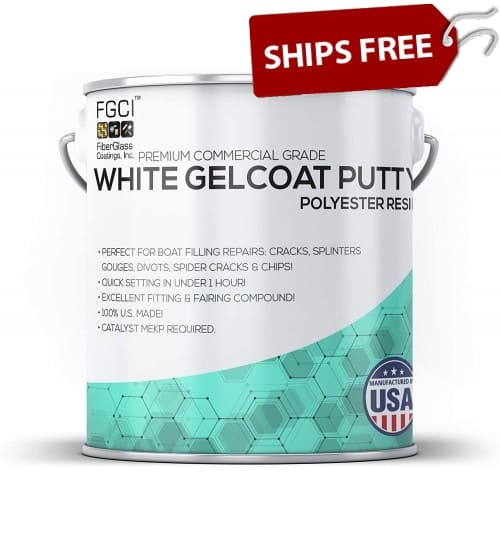
After cleaning, sand the surface thoroughly to provide a consistent and slightly rough texture that gelcoat can adhere to. For repairs or badly worn surfaces, you may need to fill low spots with a marine-grade filler or fairing compound. Use progressively finer grit papers—starting around 80-100 grit for heavy material removal and moving up to 220-320 grit for the final finish.
- Choose High-Quality Materials
Not all gelcoat products are created equal. Invest in premium gelcoat, catalysts (typically MEKP), and thinners or additives recommended by your chosen gelcoat manufacturer. Look for established marine brands known for durability, UV stability, and ease of application.

For over 50 years Fiberglass Coatings has been an industry leader in resin and coatings.
- Carefully Measure and Mix
Accurate measuring of catalyst is critical for proper curing. Follow the recommended mixing ratio from the gelcoat manufacturer—too little catalyst may lead to incomplete curing, while too much can cause the gelcoat to harden too quickly or become brittle. Mix slowly but thoroughly, ensuring the catalyst is fully incorporated without introducing excess air.
- Control Application Conditions
Gelcoat application is sensitive to temperature and humidity:
- Temperature: Aim for 60–80°F (15–27°C). Below 60°F, curing slows; above 80°F, gelcoat can cure too quickly.
- Humidity: High humidity can affect curing and lead to surface issues. If possible, apply gelcoat in a controlled environment or choose a time of day with optimal conditions.
- Proper Application Tools
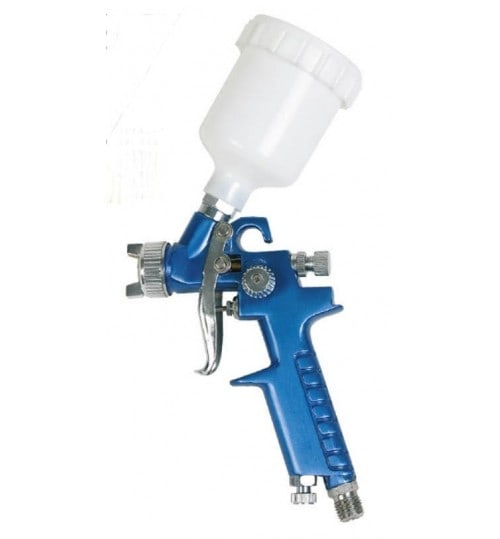
Decide whether to apply with a spray gun or a brush/roller. For larger areas or new builds, a specialized spray gun designed for gelcoat can achieve a smoother finish. However, for smaller patches or tight spaces, high-quality brushes or rollers are perfectly effective. Be sure to use tools designed for resin-based coatings to reduce bristle shedding or roller fuzz. Bottom Paint Store only sells sprayable gelcoat.
- Build in Layers
Applying gelcoat in multiple thin layers helps you avoid sags, runs, and air pockets. For spraying, use steady, even passes with a 50% overlap. If brushing or rolling, use smooth, consistent strokes, allowing each thin coat to cure to a tacky state before adding the next. This layering approach promotes a uniform finish and proper thickness.
- Allow for Correct Cure Times
Each layer of gelcoat requires sufficient time to set before proceeding. If you apply the next layer too soon, you risk trapping solvents or causing an improper bond. Follow the manufacturer’s recommended recoat window. When in doubt, err on the side of slightly longer cure times, especially under cooler or more humid conditions.
- Sand and Polish for Final Finish
After your last gelcoat layer has fully cured, lightly sand the surface with progressively finer grits (e.g., 400 → 600 → 800 → 1000, etc.). This process removes minor imperfections and levels the surface. Once the sanding scratches are gone, move on to polishing compounds to restore gloss and smoothness. Carefully buff the area, then clean away any polishing residue.
- Seal and Protect
A final protective wax or sealant can help protect the gelcoat from UV damage and staining. Choose a high-quality marine wax or polymer sealant suitable for fiberglass boats. Reapply it regularly to maintain protection and keep your gelcoat surface looking fresh and glossy.
By following these 10 key steps—covering everything from surface prep and mixing ratios to proper application and finishing—you’ll be well on your way to a boat surface that looks professional and stands the test of time. Quality materials, attention to detail, and patience are the cornerstones of a successful gelcoat application.