If your boat is kept in the water for extended periods, bottom paint plays an important role in protecting the hull from barnacles, algae, slime, and other marine growth. But how long does bottom paint actually last, and how do you know when it is time to repaint?
Some boats may need fresh bottom paint every season, while others can go longer between applications.
The best way to determine whether your boat needs repainting is to inspect the existing coating and consider how well it is still preventing marine growth.
What Determines How Long Bottom Paint Lasts?
There is no single replacement schedule that applies to every boat.
Several factors affect the lifespan of antifouling bottom paint.
Type of Bottom Paint
The type of antifouling paint on your boat makes a significant difference.
The two most common types are ablative bottom paint and hard bottom paint.
Ablative Bottom Paint
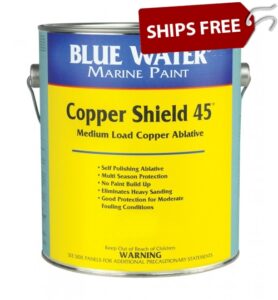
Ablative paints gradually wear away as the boat moves through the water. As the coating wears, fresh antifouling material is exposed.
This self-polishing action helps maintain antifouling effectiveness while reducing paint buildup over time.
Depending on the product and boating conditions, an ablative coating may provide protection for one or more boating seasons.
Some multi-season ablative paints are designed to remain effective even after the boat has been hauled and relaunched.
Hard Bottom Paint
Hard antifouling paints cure to a durable surface rather than gradually wearing away.
They are often used on:
- Fast powerboats
- Racing sailboats
- Frequently used boats
- Boats where a smooth, durable finish is desirable
Hard bottom paints can provide excellent antifouling protection, but the antifouling ingredients gradually lose effectiveness even though much of the paint film remains on the hull.
Repeated applications can also eventually create significant paint buildup.
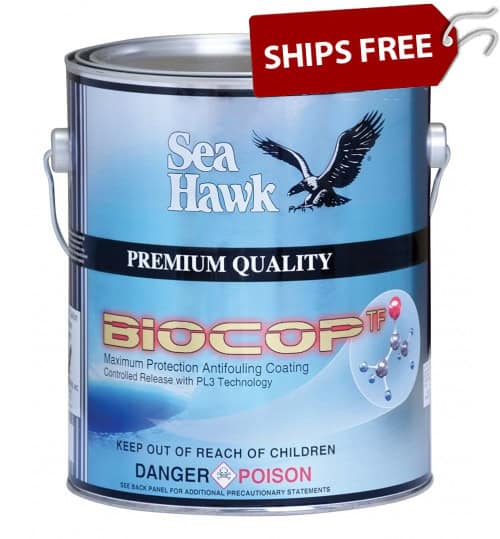
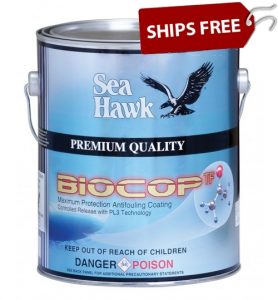
Biocop TF was developed as an alternative to tin-based antifouling paints to protect against the harshest marine environments.
How Often Should You Bottom Paint a Boat?
For many recreational boats, bottom paint is evaluated or reapplied approximately once a year or every other year.
However, you should not rely on the calendar alone.
A boat kept year-round in warm saltwater with heavy fouling pressure may require more frequent maintenance than a boat used seasonally in freshwater.
The condition of the existing coating is usually a better indicator than its age.
6 Signs It May Be Time to Repaint Your Boat Bottom
Before launching your boat, inspect the hull carefully.
Here are several signs that it may be time for new bottom paint.
- Marine Growth Is Becoming More Difficult to Control
If barnacles, algae, or slime are appearing more frequently than they did previously, the antifouling coating may be losing effectiveness.
Some light slime is normal, but increasing fouling can indicate that the active ingredients in the paint are becoming depleted.
- The Bottom Paint Is Wearing Thin
Ablative paints are designed to wear away.
If the coating has become noticeably thin or areas of primer or underlying paint are beginning to show through, it may be time for another application.
Many boat owners apply an initial coat in a contrasting color so wear becomes easier to identify.
- Bare Areas Are Visible
If fiberglass, metal, primer, or another underlying surface is exposed, the protective coating should be repaired before the boat is returned to the water.
Pay particular attention to high-wear areas such as:
- Leading edges
- Keels
- Rudders
- Waterlines
- chines
- Running gear
- The Paint Is Peeling or Flaking
Peeling bottom paint can indicate an adhesion problem rather than simply normal wear.
Possible causes include:
- Improper surface preparation
- Contamination
- Applying incompatible paints
- Missing the recommended overcoat window
- Applying paint over a poorly bonded previous coating
Loose or poorly adhered paint should be removed before additional coatings are applied.
- You Don’t Know When the Bottom Was Last Painted
If you recently purchased a used boat and do not know the age or type of the existing bottom paint, a thorough inspection is important.
You should also determine what type of paint is currently on the hull before applying another coating.
Not every bottom paint is compatible with every existing antifouling coating.
- The Boat Is Already Out of the Water
Haul-out is often the most convenient time to evaluate your bottom paint.
If the boat is already out of the water for maintenance, inspect the coating before relaunching. Addressing worn areas now may prevent another haul-out later.
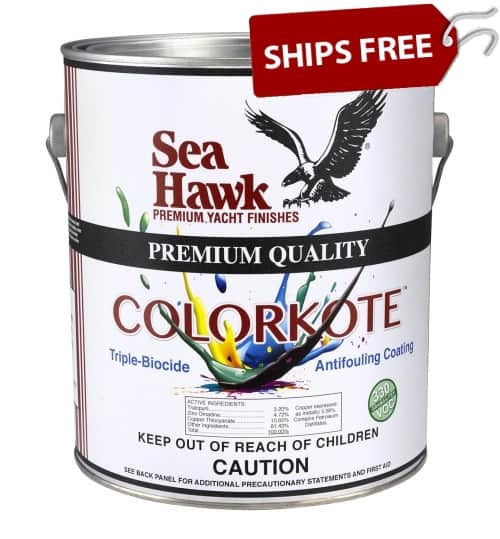
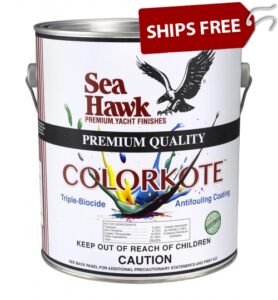
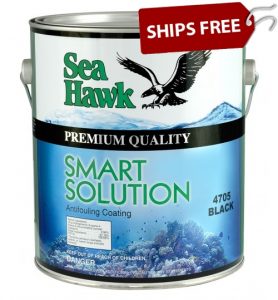
The next-generation hull coating built with Sea Hawk DNA. Incorporating self-polishing, triple biocide, low-leaching chemistry, vibrant colors, and multi-season performance.
Does Bottom Paint Need to Be Applied Every Year?
Not necessarily.
Some boat owners repaint every year because their boats operate in areas with heavy marine growth or because annual haul-outs are already part of their maintenance routine.
Other boats may receive effective antifouling protection for multiple seasons.
Consider:
- The manufacturer’s specifications for your bottom paint
- Whether the paint is single-season or multi-season
- Water temperature
- Saltwater versus freshwater use
- Local fouling conditions
- How frequently the boat is used
- How much existing paint remains on the hull
If the coating remains in good condition and is still controlling fouling effectively, a complete repaint may not always be necessary.
Does Saltwater Bottom Paint Wear Out Faster?
Saltwater environments often create greater fouling pressure than many freshwater environments, particularly in warm climates.
Barnacles and other marine organisms can establish themselves quickly on an unprotected hull.
Boats kept year-round in warm coastal waters may therefore require more aggressive antifouling protection and more frequent inspection.
Even boats in the same marina can experience different fouling depending on:
- Water movement
- Sunlight
- Water temperature
- Salinity
- Nutrient levels
- How frequently the boat moves
Local experience is extremely valuable when selecting an antifouling paint.
Does Using Your Boat More Often Affect Bottom Paint?
Yes, but the effect depends partly on the type of paint.
Ablative paints wear gradually as the boat moves through the water. Regular use exposes fresh antifouling material and can help the coating perform as intended.
Hard paints do not wear away in the same manner, making them popular for faster boats and applications where a durable surface is important.
A boat that remains stationary for long periods may accumulate more slime and marine growth than a boat that is regularly underway.
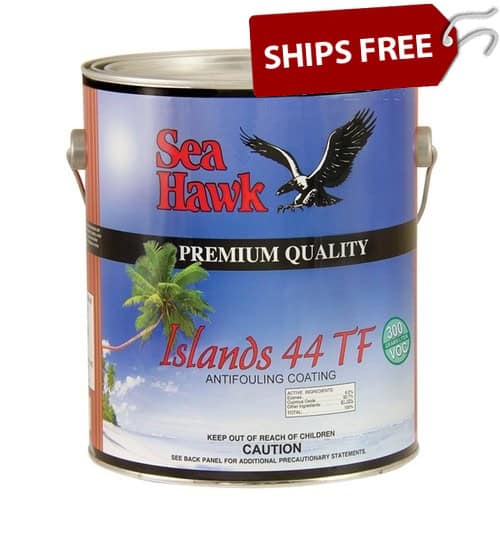
Islands 44 TF is an advanced tin-free self-polishing antifoulant that will keep your hull bottom smooth and free of organic growth over multiple cruising seasons.
Can You Put New Bottom Paint Over Old Bottom Paint?
Often you can, but compatibility must be confirmed first.
Applying an incompatible antifouling paint over an existing coating can result in poor adhesion, peeling, or coating failure.
Before repainting:
- Identify the existing bottom paint whenever possible.
- Check the manufacturer’s compatibility recommendations.
- Clean the hull thoroughly.
- Remove loose or failing paint.
- Sand or prepare the surface according to the new paint manufacturer’s instructions.
- Use a recommended primer or barrier coat when necessary.
If you are unsure what bottom paint is currently on your boat, additional preparation or a compatible tie-coat primer may be recommended.
How Many Coats of Bottom Paint Should You Apply?
Most antifouling paints require multiple coats for proper protection, but the exact number depends on the product.
Always follow the paint manufacturer’s instructions.
Many boat owners apply:
- Two full coats to the hull
- An additional coat around the waterline
- Extra paint on leading edges, rudders, keels, and other high-wear areas
Applying the correct amount of paint is important because antifouling performance is closely related to coating thickness.
Applying too little paint can shorten the effective life of the coating.
How Can You Make Bottom Paint Last Longer?
Proper application is one of the best ways to maximize antifouling paint performance.
For the best results:
- Prepare the surface according to the manufacturer’s directions.
- Apply the recommended number of coats.
- Apply the proper film thickness.
- Observe minimum and maximum recoat times.
- Follow launch-time requirements.
- Select a paint appropriate for your hull material.
- Choose an antifouling formula suited to your local water conditions and boat usage.
- Inspect and clean the bottom periodically when appropriate.
Cutting corners during preparation or application can dramatically shorten coating life.
Does Bottom Paint Expire If My Boat Is Kept Out of the Water?
It depends on the product.
Some antifouling paints have restrictions on how long the boat can remain out of the water after the coating has been used.
Other multi-season paints can be hauled, stored, and relaunched without requiring another coat.
This is particularly important for trailerable and seasonally stored boats.
Always check the manufacturer’s technical data before relaunching a boat that has been out of the water for an extended period.
What Bottom Paint Should You Use When It Is Time to Repaint?
The best bottom paint depends on the boat and how it is used.
Consider:
Boat kept in the water year-round:
Look for strong antifouling protection appropriate for your area’s fouling conditions.
Seasonally used boat:
A multi-season ablative paint may provide convenient protection across multiple launches.
Fast powerboat:
A durable hard antifouling coating may be appropriate.
Frequently used sailboat:
Both hard and ablative options are available depending on performance requirements and maintenance preferences.
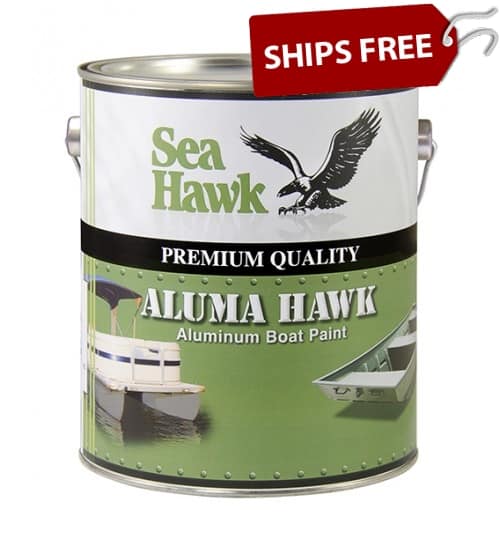
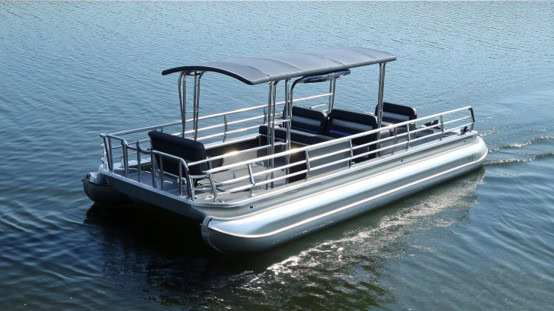
Aluminum boat:
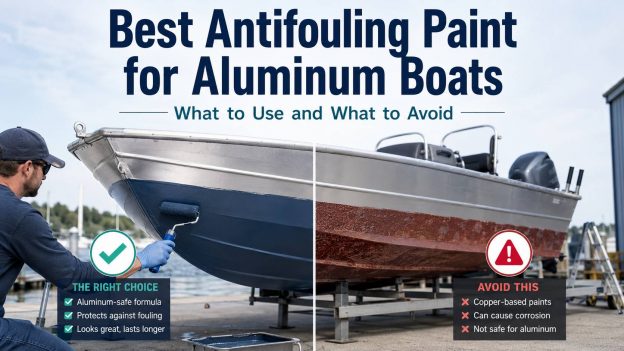
Use only antifouling coatings specifically approved for aluminum. Traditional copper-based antifouling paints can cause galvanic corrosion when applied directly to aluminum.
Freshwater boat:
Antifouling needs may differ substantially from boats kept in warm saltwater.
Bottom Line
So, how long does bottom paint last?
For many boats, one to two years is a useful general guideline, but the condition and performance of the coating are more important than its age.
Inspect your hull regularly and look for:
- Excessive marine growth
- Thin or worn paint
- Exposed primer or substrate
- Peeling or flaking
- Areas receiving unusually heavy wear
When it is time to repaint, choosing the right antifouling paint and applying the proper number of coats can help provide longer-lasting protection and reduce future maintenance.
Bottom Paint Store carries a wide selection of ablative, hard, aluminum-safe, and multi-season antifouling bottom paints from leading marine paint manufacturers to help you select the right coating for your boat and boating conditions. And should you need assistance our customer service team is always willing to help you select the right paint for your needs.