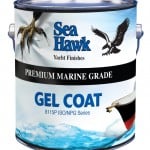
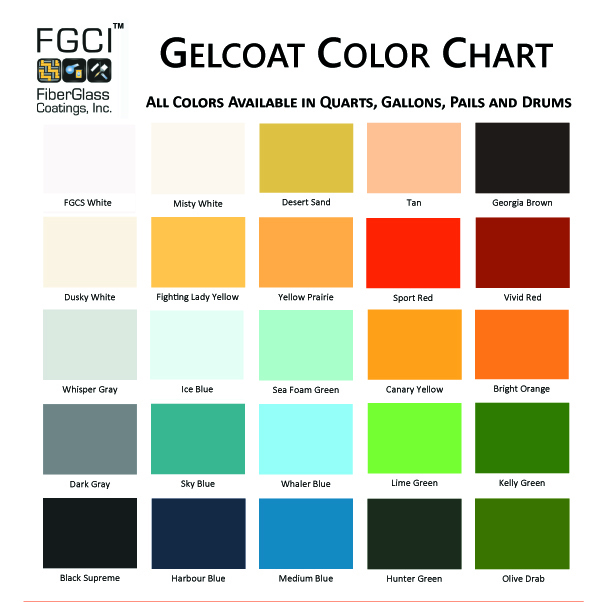
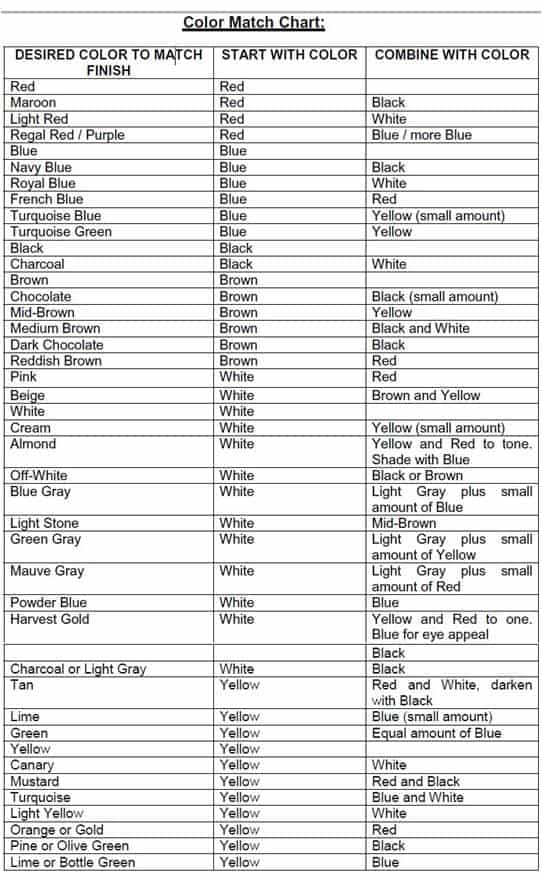
Gelcoat Color Match Chart
Our Gelcoat Color Match Chart is the perfect solution for any boat repair project. With a wide range of pre-mixed colors, our chart will help you find the right color tint to flawlessly make your gelcoat repairs. For smaller repairs, we offer convenient and easy-to-use repair kits with everything you need to match colors. For larger projects, we have gallons and quarts in 12 different colors ready for you to use. Plus, our neutral gelcoat lets you make any custom color you need when using the gel coat coloring agent. Get the perfect match for all your boat repair needs with Gelcoat Color Match Charts today. See the different colors of the pigments at the bottom of this article.
How Do You Match Gelcoat Color?
To match gelcoat color, start by identifying your boat manufacturer, model, year, and original gelcoat color if available. Then compare that information to a gelcoat color match chart or manufacturer color reference. Because gelcoat fades and oxidizes over time, the original factory color may not perfectly match the current color of an older boat.
For the best match, clean and compound a small area near the repair before comparing colors. This helps reveal the true gelcoat color underneath oxidation, chalking, stains, and surface fading. If the boat is older or heavily weathered, tinting or blending may be needed for the closest repair match.
Gelcoat Color Matching Methods
| Matching Method |
Best For |
What to Consider |
| Boat manufacturer color code |
Finding the original factory gelcoat color |
Useful when the boat information is available, but older gelcoat may have faded from the original color. |
| Gelcoat color match chart |
Comparing common gelcoat colors by brand, year, or shade |
A chart is a helpful starting point, but screen colors and printed colors may not be exact. |
| Physical color chip or sample |
More accurate visual comparison |
Best viewed in natural light against a cleaned and polished area near the repair. |
| Custom tinting |
Older boats, faded gelcoat, and visible repairs |
May be needed when the original color no longer matches the boat’s current surface color. |
| Professional color matching |
Large repairs or highly visible areas |
Often the best choice when the repair must blend closely with surrounding gelcoat. |
Best Gelcoat Match Approach by Repair Type
| Repair Type |
Recommended Approach |
Why |
| Small chip or scratch |
Use the closest matching gelcoat repair paste or kit |
Small repairs are less noticeable and may not require a perfect custom match. |
| Visible topside repair |
Clean, polish, compare colors, and tint if needed |
Repairs above the waterline are easier to see, so color accuracy matters more. |
| Older oxidized gelcoat |
Compound first, then match to the restored surface |
Oxidation can make the boat look lighter, chalkier, or duller than the true color. |
| Large repair area |
Use custom matching or professional help |
Larger repairs are harder to hide if the gelcoat color is slightly off. |
| Below-waterline repair |
Match if needed, then finish with the correct underwater coating system |
Color may be less critical if the area will be covered by barrier coat or bottom paint. |
| White or off-white gelcoat |
Compare carefully under natural light |
Small differences in white, cream, ivory, and off-white shades can be very noticeable. |
How to Use a Gelcoat Color Match Chart
| Step |
What to Do |
Why It Matters |
| 1. Identify the boat |
Find the boat make, model, year, and any available factory color information. |
Many gelcoat colors are tied to specific manufacturers and model years. |
| 2. Clean the repair area |
Remove wax, oxidation, stains, dirt, and surface contamination. |
A dirty or oxidized surface can make the gelcoat look like the wrong color. |
| 3. Polish a small area |
Compound or polish near the repair before comparing colors. |
This helps reveal the true color of the existing gelcoat. |
| 4. Compare the chart or sample |
Use the closest chart match, color chip, or physical sample. |
Physical samples are usually more reliable than screen images. |
| 5. Test before applying |
Apply a small test patch or compare cured material before completing the repair. |
Gelcoat can look different before and after curing, sanding, and polishing. |
| 6. Blend and finish |
Sand, compound, and polish the repaired area after curing. |
Finishing helps the repaired area blend with the surrounding surface. |
What to Consider Before Choosing a Gelcoat Color
Gelcoat color matching is not always as simple as choosing the original factory color. Sun exposure, oxidation, age, repairs, cleaning products, and previous polishing can all change how the boat’s surface looks. A color that matches the original chart may look too clean, too bright, or too dark next to older gelcoat.
White gelcoat can be especially difficult to match because there are many slight variations, including bright white, off-white, cream, ivory, oyster, and gray-white tones. For the closest match, compare the gelcoat color in natural daylight and test the repair material before applying it to a highly visible area.
Common Questions About Gelcoat Color Matching
How do I find my boat’s gelcoat color?
Start with the boat manufacturer, model, year, and any available hull or color information. Then compare that information to a gelcoat color match chart or manufacturer color reference. If the boat is older, clean and polish the surface before comparing colors.
Will the original gelcoat color match my boat exactly?
Not always. The original gelcoat color may be close, but older boats can fade, oxidize, stain, or weather over time. A factory color may need slight tinting or blending to match the boat’s current appearance.
Why is white gelcoat hard to match?
White gelcoat is difficult to match because small differences in tone are easy to see. Bright white, off-white, cream, ivory, and gray-white can look similar on a chart but noticeably different on a boat, especially in direct sunlight.
Can I tint gelcoat to match my boat?
Yes, gelcoat can often be tinted to improve the match. Tinting should be done carefully and in small amounts because a little pigment can change the color quickly. Always test the tinted gelcoat before applying it to the repair area.
Does gelcoat dry the same color it looks in the container?
Gelcoat may look different after it cures, sands, compounds, and polishes. For that reason, it is best to test a small amount and evaluate the cured, finished color before completing a visible repair.
Should I match gelcoat before or after polishing the boat?
Match gelcoat after cleaning and polishing a small area near the repair. Oxidized gelcoat can look chalky, faded, or lighter than the true color, which can lead to choosing the wrong shade.
Can I use a gelcoat color chart from my computer screen?
A screen chart can help narrow your options, but it should not be treated as an exact match. Screen brightness, monitor settings, lighting, and photo quality can all change how the color appears.
What if I cannot find my exact gelcoat color?
If you cannot find an exact gelcoat color, choose the closest match and consider tinting or blending. For large or highly visible repairs, professional color matching may be the best option.
Is gelcoat color matching important below the waterline?
Color matching may be less important below the waterline if the repair will be covered by barrier coat or bottom paint. The priority below the waterline is usually proper repair, sealing, and coating compatibility.
How can I make a gelcoat repair blend better?
Use the closest color match, prepare the surface properly, apply the repair carefully, and finish by wet sanding, compounding, and polishing. Feathering and polishing the repair area can help it blend with the surrounding gelcoat.
Recommended Gelcoat Color Matching Products and Supplies
Bottom Paint Store carries gelcoat repair kits, neutral gelcoat, white gelcoat, colored gelcoat, tinting pigments, MEKP catalyst, wax additive, PVA, sandpaper, polishing compound, cleaners, and application supplies. The right product depends on the boat color, size of the repair, surface condition, and whether the gelcoat needs to be tinted or finished after curing.
For smaller repairs, we offer a convenient and easy-to-use gelcoat repair kit with everything you need to match colors. For larger projects, we have have over 12 premixed colors of gel coat to choose from, in either gallons or quarts. Plus, our neutral gelcoat lets you make any custom color you need.
Other Product Links:
We are often asked how long does gel coat take to cure?
It really depends on several factors, for example, the type of gel coat used, the temperature and humidity of your environment, and the thickness of the application. Generally speaking, gel coat can take anywhere from a few hours to several days to fully cure.
Here are some general guidelines:
Initial Cure time: Gel coat typically reaches an initial cure within a few hours, usually around 2 to 4 hours. During this time, the gel coat becomes tack-free and can be touched without leaving fingerprints.
Gel Time: this refers to the time it takes for the gel coat to reach a semi-solid state where it can hold its shape and is no longer tacky to the touch. Gel time can vary based on the specific gel coat formulation but is usually within 6 to 12 hours.
Full Cure: this usually takes longer. It can take anywhere from 24 to 72 hours for the gel coat to completely cure and harden to its maximum strength and durability. However, some high-performance gel coats may require longer curing times to achieve their optimal properties.
Factors that can influence curing time include:
Temperature: Higher temperatures generally accelerate the curing process, while cooler temperatures can slow it down. Follow the manufacturer’s recommendations for curing temperature ranges.
Humidity: Higher humidity levels can also affect curing time. High humidity can extend the curing process, while low humidity may speed it up.
Thickness: Thicker applications of gel coat may take longer to cure due to the heat generated during the curing process. Thicker layers can also trap solvents that need to evaporate.
Catalyst/Hardener: Gel coat is usually catalyzed with a hardener to initiate the curing process. The amount and type of hardener used can impact the curing time.
Ventilation: Proper ventilation is essential during curing to ensure that any volatile solvents evaporate and don’t get trapped in the cured gel coat.
We recommend referring to the manufacturer’s instructions and guidelines, as curing times can vary based on the product’s formulation. It’s also important to consider the intended use of the gel-coated surface, as some applications may require longer curing times to ensure the best performance and durability.
How to match your gelcoat color?
We understand matching your gelcoat color can be a daunting task, however with the right tools and techniques, it can be done. The key is to start with a precise color match and then to carefully apply the gelcoat, ensuring that the new color blends seamlessly with the surrounding area. With patience and attention to detail, you can restore your boat’s gelcoat to its original luster or create a customized look that truly represents your personal style on the water.
Where to buy gel coat?
If you need assistance on where to buy gelcoat, Bottom Paint Store is available to answer your questions and help you select the right gelcoat for your needs. We have 100’s of colors and products to choose from.
Pigments for Gelcoats and Resins
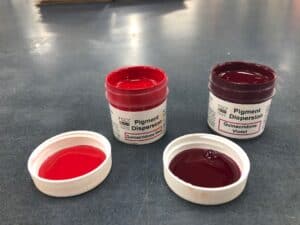
Red, Violet
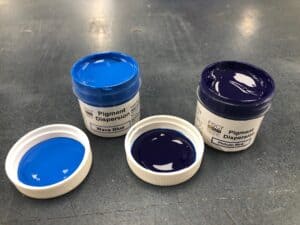
Blue Wave, Phthalo Blue
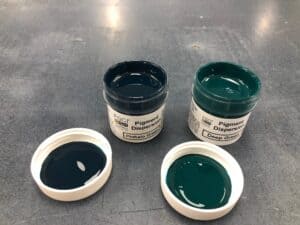
Phthalo Green, Deep Green
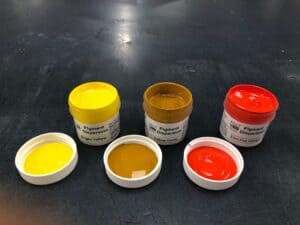
Bright Yellow, Yellow Oxide, Lead Free Orange
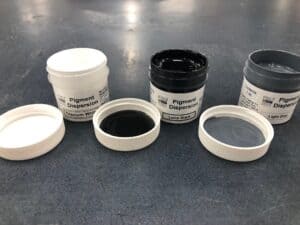
Titanium White, Black Lamp, Light Gray
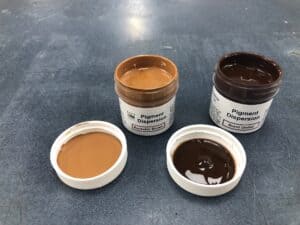
Buckskin Brown, Burnt Umber

 First Identify the paint that is there. Is it compatible?
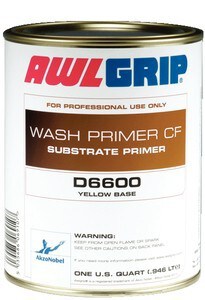 II. Apply Awl-Wash Primer CF (Mix Part A and Part B) within 4 hours of cleaning the surface. This provides excellent adhesion to the aluminum surface. Awl-Wash CF can be overcoated with primers after 1 hour of application. Maximum recoat time without sanding is 6 months.
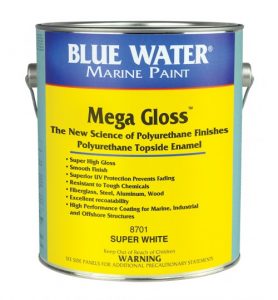 If you desire a gloss finish, look to the

 How to Fix a Leaking Seam or Rivet on Aluminum Boat
 Make sure the blisters are thoroughly drained and grind them deep enough to remove any damaged material beneath the gelcoat. Increase size of ground area as needed until all the laminate around the blister is sound. Clean the entire area and allow it time to dry.
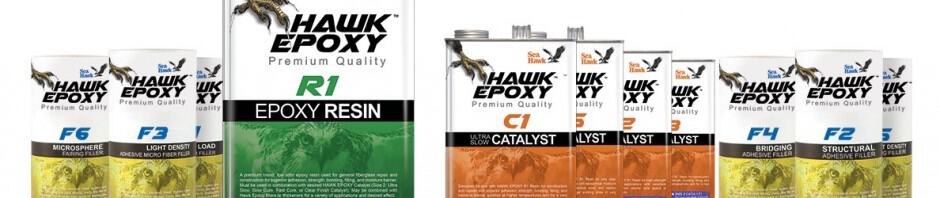
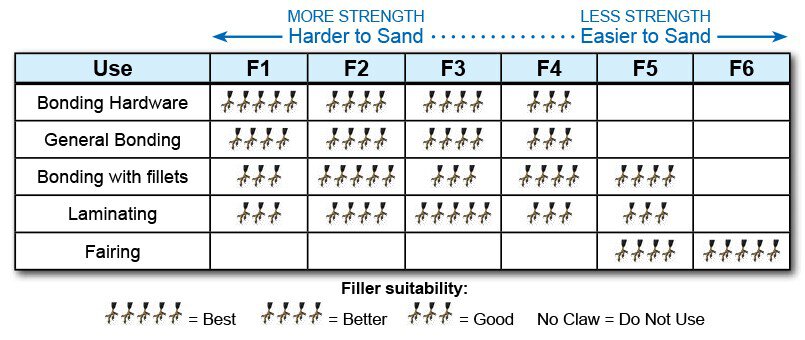
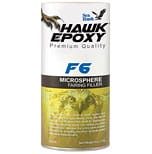 The filler recommended for blister repair is F6 MicroSphere Fairing Filler.
 Awlcare
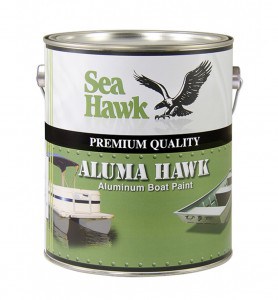 gray, Jon boat green, and black.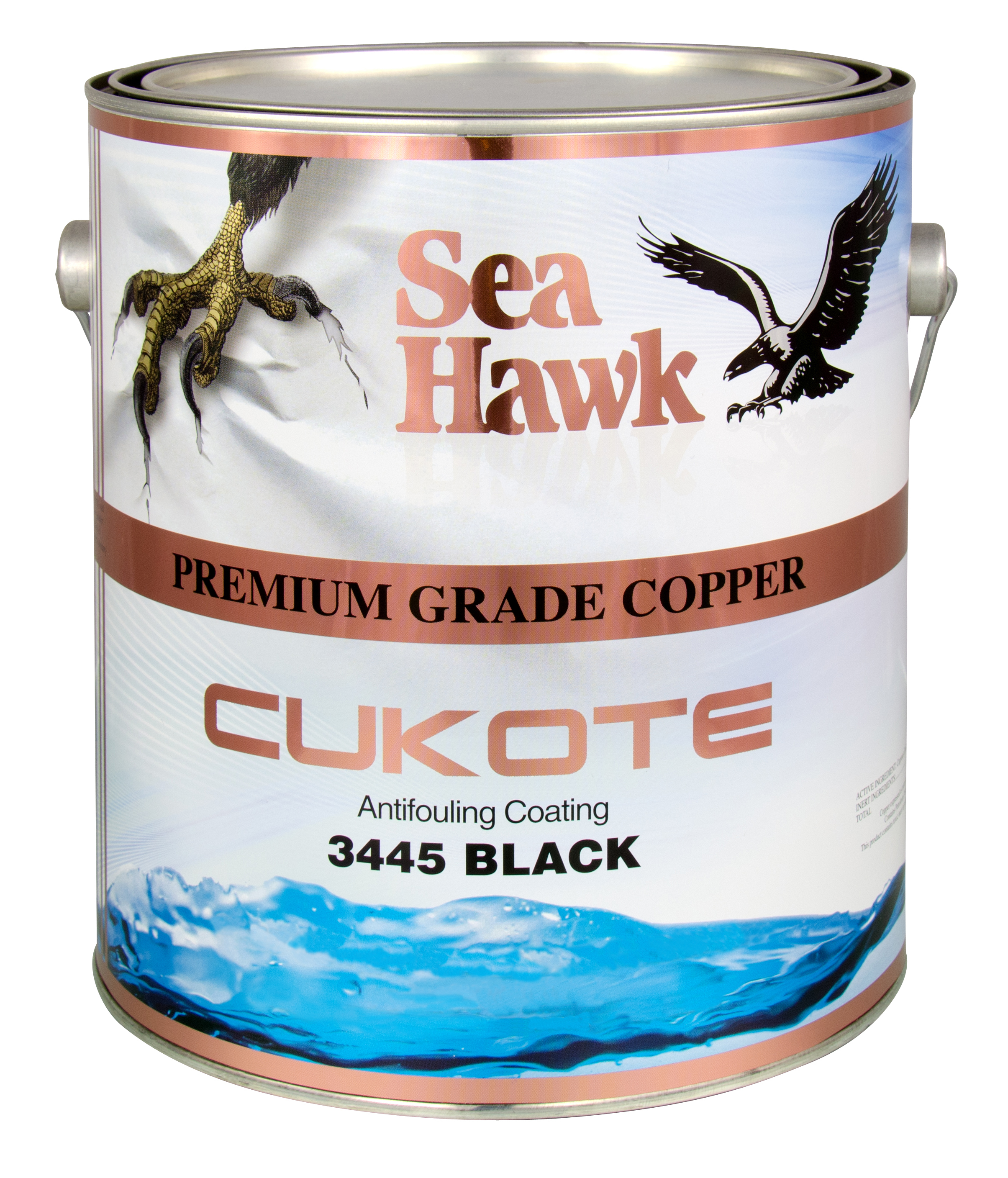
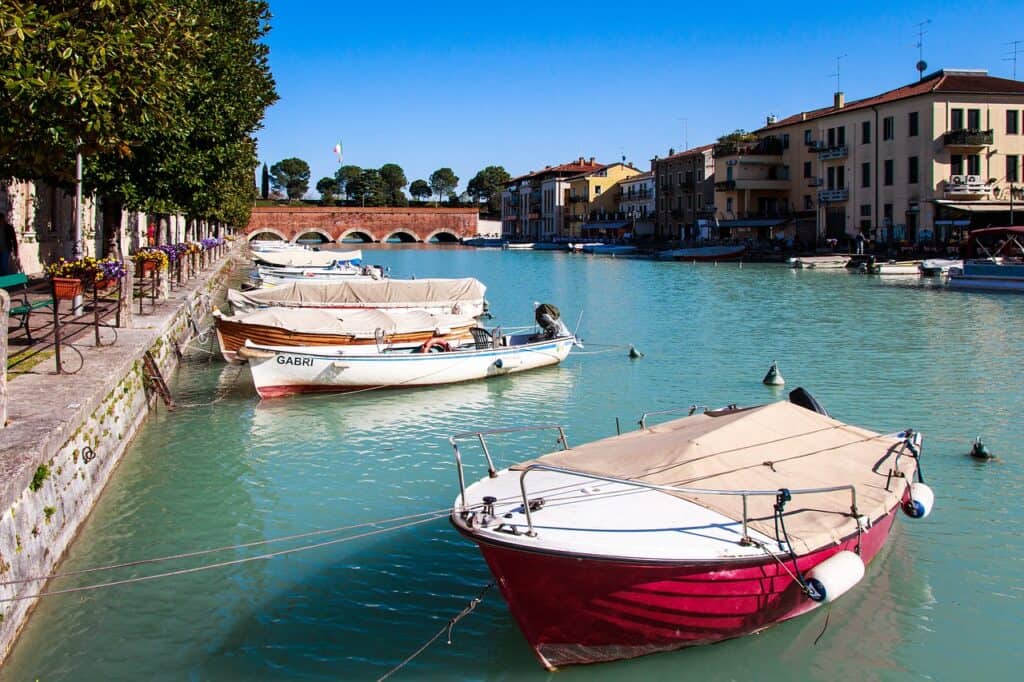
 After further review on the performance of Eco-Clad as a bottom paint, we are NOT offering this product to our customer base. Eco Clad is engineered to support a natural beneficial biofilm (slime) on the coated area. However, we have heard several complaints about the products’ poor performance when it comes to keeping growth off the boat. The company has done a great job of marketing Eco Clad everywhere, and claims better fuel economy and faster speeds. This might be true, but performs only for a few months at best. After that you will see substantial marine growth and even worse fuel ecomony and speed along with the added costs of a new bottom job.