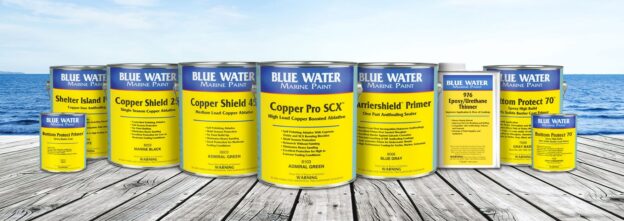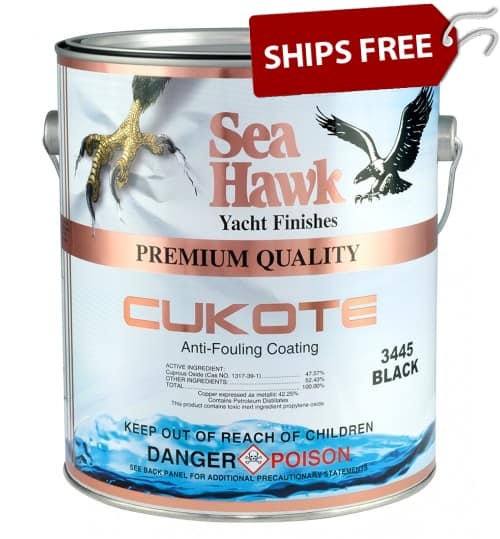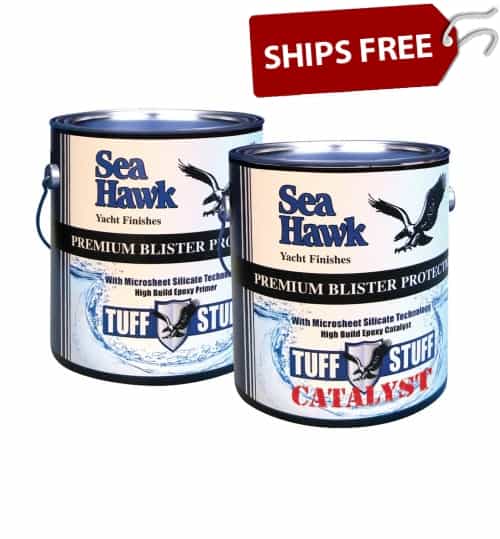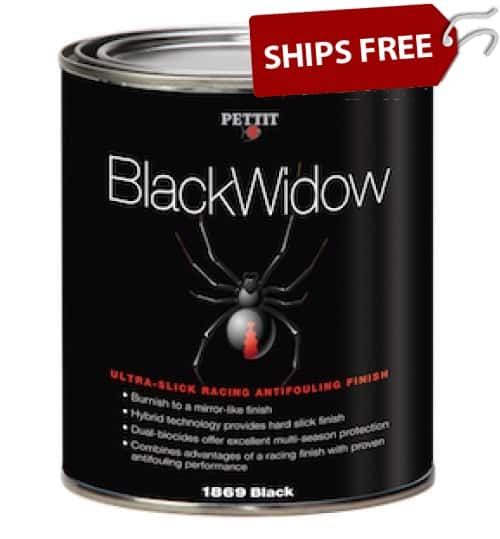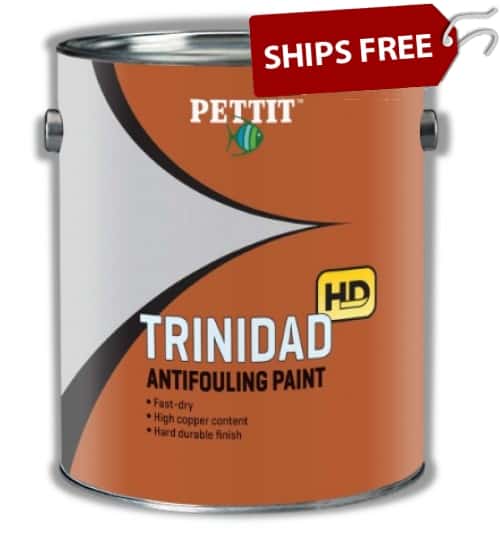
We have received a lot of good feedback on Blue Water Marine Paints, which is a high quality bottom coating at very attractive price. The reviews below are from actual customers received through Verified Reviews, an independent review collection company. Many of the reviews can be found on the corresponding Blue Water Bottom Paints product pages.
Unfortunately, it is not available in: Arizona, Arkansas, Colorado, Idaho, Indiana, Iowa, Montana, Nebraska, Nevada, New Mexico, North Dakota, Oklahoma, South Dakota, Utah, Vermont, West Virginia, and Wyoming.
Blue water marine paints are excellent performing paints. – Peter M.
This paint worked very well for the past 2 years. – Michael B.
My go to bottom paint. Blows away the competition. – Jay W.
Very happy customer. – Teresa B.
I use this paint every year. – Thomas G.
We restore boats and always buy blue water paint. It is great! – Nancy S.
Great Product. Larry G.
Excellent wear for the Jersey Shore. Richard C.
Great product. Smooth application. – Melissa G.
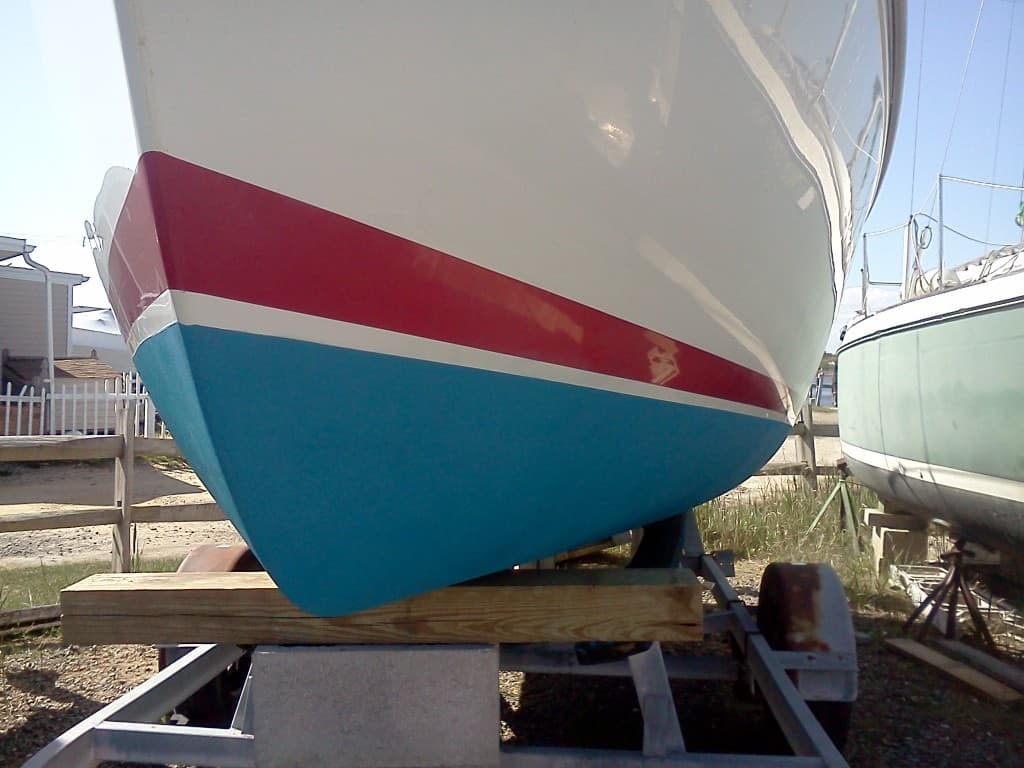
When on well and seems to be what I wanted for boot stripe. – Douglas S.
Great price and a great product! Charles P.
Great product went on smooth and easy! – Thomas H.
Great paint. – Richard Y.
I’ve used this paint exclusively since I sandblasted the hull several years ago. I sand and repaint every 2 years. – Eddy W.
Very good product. – Angelo R.
Used it last year and it did what it supposed to do. – Richard L.
Good mid-priced paint for the money. Doesn’t harden over the winter. Doesn’t need to be thinned. – Joseph D.
Been using for 8 years and quite pleased with the results. – Brian L.
It works. – G. M.
Not sure how it will hold up as this is the first time I have used it so I am giving it 4 stars as so far it seems like a solid product. – Anthony C.
Great bottom paint! – Henry D.
I have been using Copper Shield 45 and have been very happy with it, does last a solid two seasons. – Donald S.
It’s as good as any other I’ve tried for east coast waters to the Bahamas. Cheaper than some too. – John M.
I have not used your product yet. I was referred to you by my son who uses your paint. So far your shipping was fast. – James R.
Low odor and worked great. Covered well and easy to sand. Dried quickly. – David H.
I’ve been using this product on my Islander 41 for 10 years. – Frank R.
Really pleased with this bottom paint. – Clive A.
Excellent product. – Jeffrey T.
Excellent. – Larry L.
This is the best coal tar product (Bluewater Coal tar Epoxy)I have purchased. I apply this product over my pontoons on my 60ft.houseboat.The product goes on pretty good considering rough surface with a roller and brush application. It drys quick and is very shiney. – Wade H.
Great stuff! – Derek F.
Went on easy and looked good. – Albert K. April 28, 2023
Blue Water Marine Copper Shield 45 Ablative, Excellent… – Lisa R., April 15, 2023
Blue Water Marine Copper Shield 25 excellent bottom paint. – Angelo R., April 14, 2023
Blue Water Marine Shelter Island Plus Copper Free Ablative- I have used his antifouling paint for 5 years on the bottom of my boat and have never gotten any barnacles. The boat is kept in brackish water 5 months of the year. Donald H., March 23, 2023
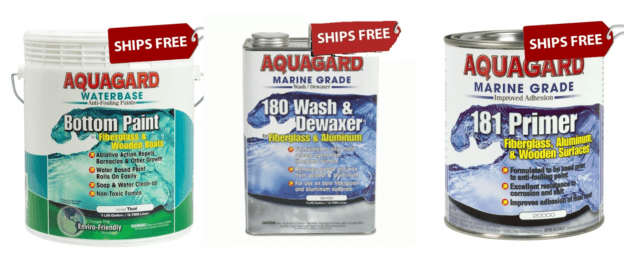
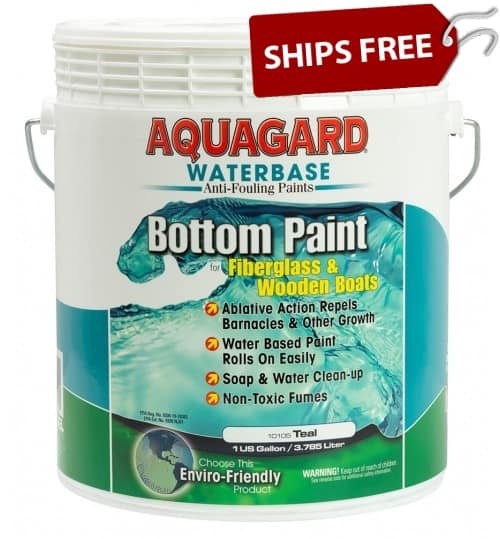
The following are customer reviews of AQUAGARD® BOTTOM PAINT, an anti-fouling bottom paint that is formulated to prevent barnacles, algae, slime, and other fouling organisms on vessels immersed in saltwater, brackish and freshwater. The reviews were submitted to Verified Reviews, an independent rating service.
I have used this paint for years. – Jim D.
Product was good. Painted a 14 foot boston whaler with two coats and paint left over. – Rickey R.
Great Service ! – Maria V.
Spreads just fine and on fiberglass 3 coats was perfect. Cleanup was a breeze as it is water based. What was dripped on the floor was a quick clean up. – Hans D.
Aquaguard waterbase anti-fouling paint can be applied over existing bottom paints that are clean, free of any debris, and dry.
Very easy to work with. – Daniel D.
Wonderful product. – Leonard E.
It does meet all my requirements and needs. – Peter F.
Marine topside coatings: Provides a high-gloss, UV-resistant finish for boat hulls and decks above the waterline.
Protective coatings: Used for abrasion and chemical resistance on wood, fiberglass, and metal surfaces.
Sealants and adhesives: Bonds materials while maintaining flexibility and durability.
Foams and insulation: Polyurethane foam is widely used for cushioning, flotation, and insulation applications.
Bottom line: Polyurethane is valued for its durability, flexibility, and resistance to moisture and UV exposure.
Tip: In marine environments, choose polyurethane products specifically formulated for UV and saltwater exposure.
Polyurethane is a versatile material that can be used for a variety of applications. It is commonly used in the construction and automotive industries, but it also has many uses in the marine industry. Polyurethane is used to make boat hulls, decks, and upholstery. It is also used to make boat parts that are resistant to salt water and sun damage.
KEY TAKEAWAY
What is polyurethane used for?
Polyurethane is a polymer that has many uses. It was first synthesized in 1937 by German chemist Otto Bayer. Today, it is used in a variety of industries, including boatmaking. When used as a boat coating, polyurethane helps to repel water and protect the hull from UV damage.
Boat Hulls
Polyurethane is often used to make boat hulls. Hulls made from polyurethane are strong and durable. They are also resistant to salt water and sun damage. Hulls are less likely to crack or break than hulls made from other materials.
Boat Decks
It is also commonly used to make boat decks. Decks made from polyurethane are strong and durable. They are also resistant to salt water and sun damage. Polyurethane decks are less likely to crack or break than decks made from other materials.
Boat Upholstery
Boat upholstery is often made from polyurethane. Upholstery made from polyurethane is usually strong and durable. It is also resistant to salt water and sun damage and is less likely to crack or break than upholstery made from other materials.
Polyurethane Advantages and Disadvantages
Polyurethane has a number of advantages over other types of plastics, including its durability, flexibility, and resistance to chemicals and heat. Excellent abrasion, corrosion, and impact resistance. However, polyurethane also has a number of disadvantages, such as its tendency to yellow and crack over time. Polyurethane is also flammable, making it a potential safety hazard. Despite its drawbacks, polyurethane remains a popular choice for many applications due to its unique properties.
Due to being a versatile plastic, polyurethane can be used to make a wide variety of products, from cushions and Insulation to car parts and medical implants. While it is most commonly used in the manufacturing of flexible foam products, it can also be used to create rigid plastics, elastomers, and coatings. Some common examples of polyurethane products include spray foam insulation, upholstery foam, shoe soles, and hard plastic objects like skateboard wheels. Polyurethane is an extremely versatile material with a wide range of properties, making it an ideal choice for a variety of applications. Thanks to its flexibility and durability, it is one of the most commonly used plastics in the world.
How do you calculate the density of polyurethane foam
Polyurethane foam is a type of polymer that has a wide range of applications, from insulation to padding. It is made by combining two chemicals, polyol and diisocyanate. The ratio of these two chemicals determines the density of the foam. To calculate the density of polyurethane foam, divide the weight of the foam by its volume. The resulting number is the density of the foam in pounds per cubic foot. Keep in mind that the density of polyurethane foam can vary depending on its intended use. For example, softer foams are often used in mattresses and upholstery, while denser foams are used in insulation and packaging.
Final thoughts
Polyurethane is a versatile material that can be used for a variety of applications in the marine industry. It is commonly used to make boat hulls, decks, and upholstery. Polyurethane is also used to make boat parts that are resistant to salt water and sun damage. If you are looking for a durable material for your next boating project, consider using polyurethane. And if you have any questions contact the Bottom Paint Store customer service team Monday through Friday 9-5p.m. 888.555.2313.
If you keep your boat in salt water, then you know that a good coat of bottom paint is key to keeping your boat looking great and performing well. Not only does it protect your boat from the elements, but it also keeps it looking good. But what is the best bottom paint for trailered boats? There are a lot of different types and brands on the market so it can be tough to decide. In this article post, we’ll discuss the different types of bottom paint and help provide an overview so you can decide which one is right for you.
What paint should I use for the bottom of my boat?
For those who are new to the world of boat ownership, the task of bottom painting can seem a bit daunting. After all, there are a lot of different products on the market, and it can be difficult to know which one is right for your boat. Bottom paint is designed to protect the bottom of your boat from barnacles, algae, and other marine growth. It also helps to prevent corrosion and make it easier to clean the bottom of your boat. When choosing a bottom paint, it is important to consider the type of boat you have, the water conditions in your area, and the level of maintenance you are willing to perform. With so many different products on the market, it can be difficult to know which one is right for you. However, by taking the time to do your research, you can find the perfect bottom paint for your boat.
There are three main types of bottom paint: ablative, hard, and semi-hard. Ablative bottom paint is the most popular type; it wears away over time, which allows it to continually renew itself. This makes ablative bottom paint ideal for boats that are used frequently. Hard bottom paint, on the other hand, is designed to last longer; it doesn’t wear away as quickly as ablative bottom paint, but it also doesn’t provide as much protection. Semi-hard bottom paint is a blend of the two; it’s more durable than ablative bottom paint but not as long-lasting as hard bottom paint.
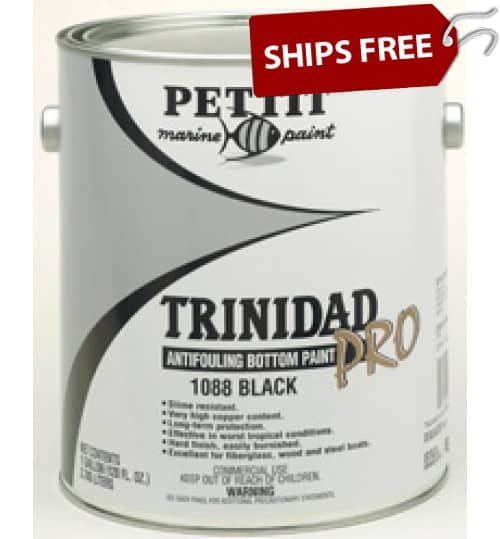
As for brands, there are dozens of different companies that make bottom paint. New Nautical Coatings, Interlux, Pettit, and Aquaguard are just a few of the most popular brands. Interlux offers a wide variety of ablative and semi-hard bottom paints, including their well-known Micron CSC formula. Pettit makes both ablative and hard bottom paints, including their Trinidad Pro, featuring a high copper load and slime resistance to provide unprecedented resistance to all fouling.
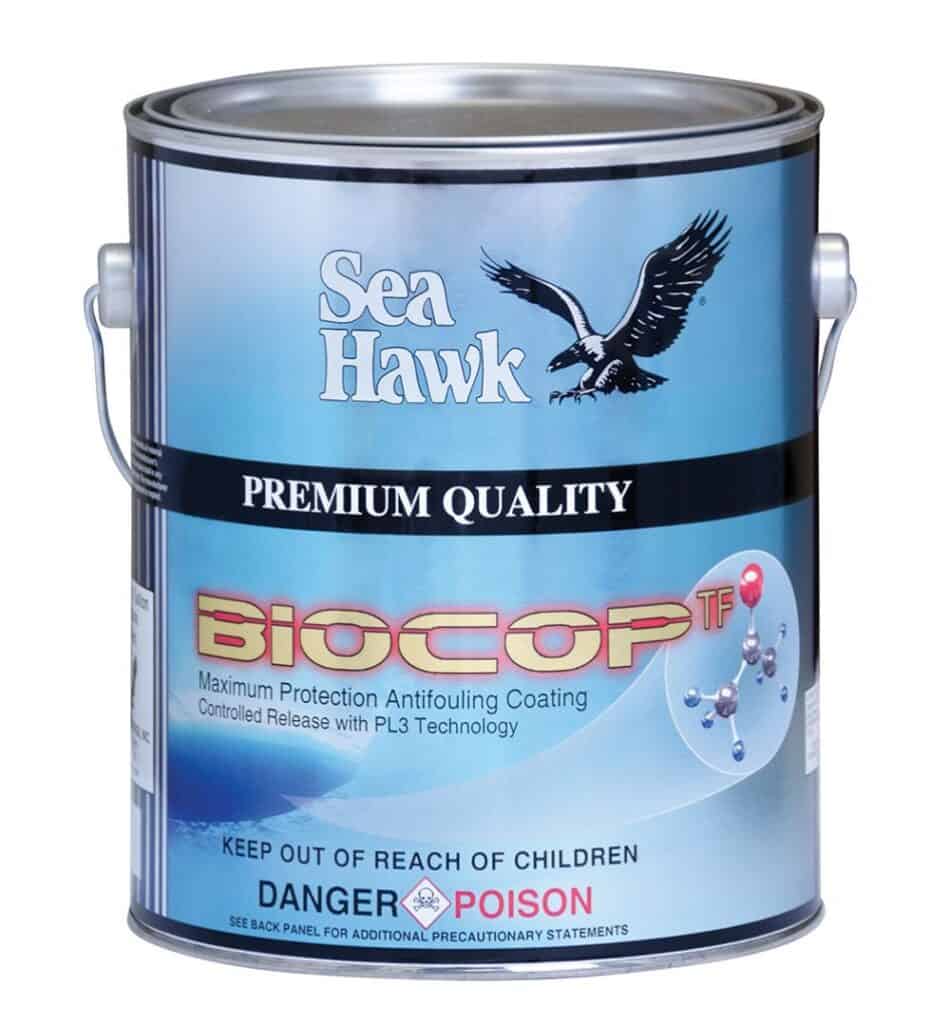
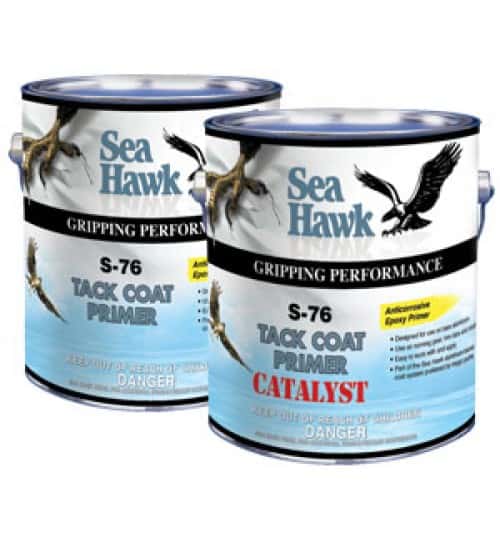
New Nautical Coatings, Sea Hawk Paints, includes a wide range of economical and premium ablative and hard bottom paints for various conditions and price points.
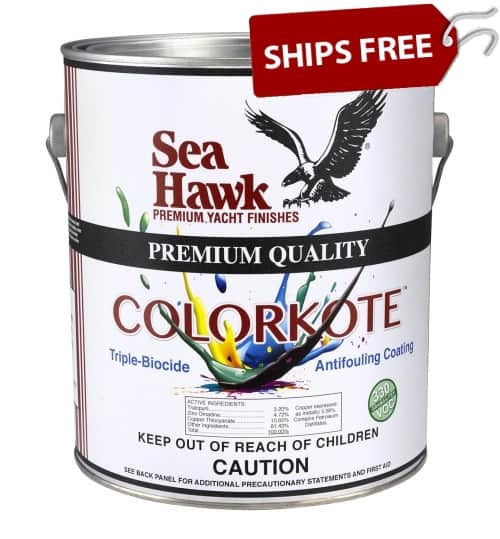
If you’re looking for the best bottom paint for aluminum boats, Colorkote is a good way to go. This high-quality paint provides a durable barrier against corrosion, while also being able to withstand the rigors of saltwater conditions. Colorkote is also easy to apply and dries quickly, so you can get back on the water in no time. So, if you’re looking for a bottom paint for your aluminum boat, Colorkote is a great choice.
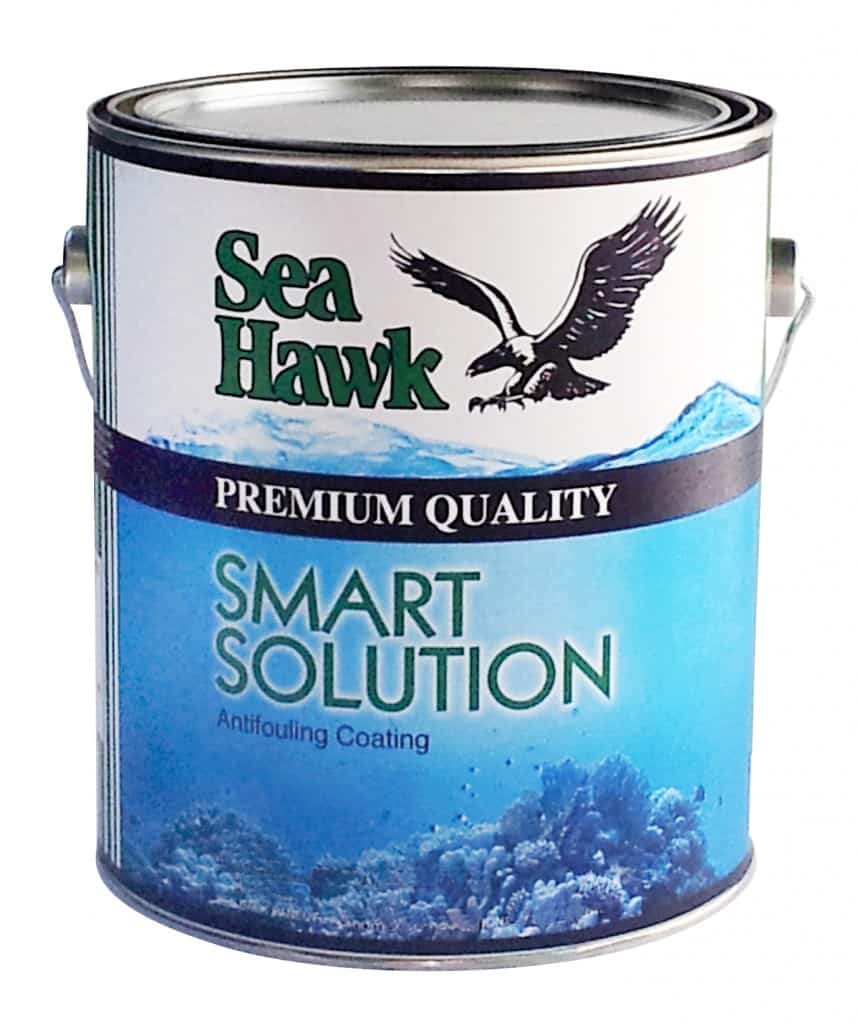
For those who want an eco-friendly option, Smart Solutions Metal Free Bottom Paint is the best eco-friendly bottom paint on the market. It is made with a specially formulated resin that is designed to bind to metal surfaces, making it an ideal choice for boats and other watercraft. The binding agent in the resin helps to prevent metals from leaching into the water, making Smart Solution Metal Free Bottom Paint an environmentally friendly option. In addition, the binding agent also helps to prevent barnacles and other marine growth from attaching to the hull, making it easier to clean and extending the life of the boat. Smart Solution Metal Free Bottom Paint is available in a variety of colors, making it easy to find a color that matches your boat. It is also exceptionally durable, lasting up to three years with proper maintenance. Smart Solution Metal Free Bottom Paint is the best choice for those looking for an eco-friendly bottom paint that is also effective and long-lasting.
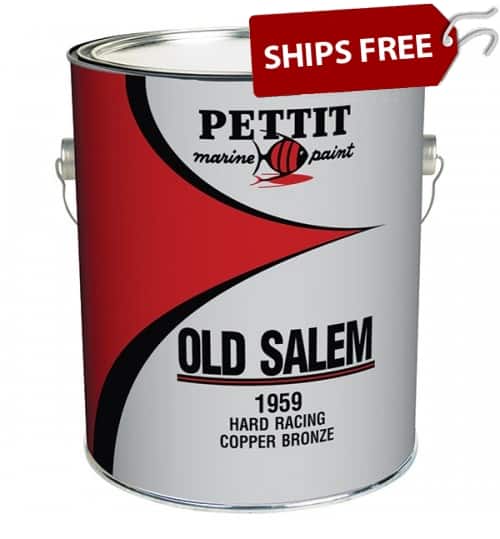
Finally, if you’re looking for a high-performance racing bottom paint, Pettit Hard Racing Copper Bronze is a high-performance bottom paint that is specifically designed for racing boats. It is made with a copper-infused epoxy resin, which provides exceptional protection against fouling organisms. The Pettit Hard Racing Copper Bronze also has a high load-carrying capacity and resistance to abrasion, making it an ideal choice for high-speed racing boats. In addition, the Pettit Hard Racing Copper Bronze is available in a wide range of colors, so you can choose the perfect color to match your boat. Hard Racing Copper Bronze is recommended for use in fresh water on racing hulls, sailboats, runabouts, or cruisers. You can use it in saltwater for small, dry sailed boats which are not left in the water. When used above the waterline in saltwater, Hard Racing Copper Bronze will oxidize to a green color if not overcoated with a clear sealing coat.
How long does bottom paint last on a boat?
Bottom paint is designed to last for several years, however, longevity depends on the paint. It will eventually break down and need to be replaced. The specific lifespan will depend on a number of factors, including the type of paint used, the boat’s exposure to sunlight and water, and the amount of wear and tear the bottom of the boat experiences. In general, bottom paint can be expected to last for several years before it needs to be replaced. This makes it a wise investment for any boat owner who wants to protect their investment and keep their boat looking its best.
Final thoughts
Choosing the best bottom paint for your trailered boat comes down to personal preference. If you’re looking for something that will last longer, go with a hard or semi-hard bottom paint; if you’re looking for something that’s easier to apply and renew, go with an ablative bottom paint. Just pick one that’s reputable and has a good track record.
When it comes to choosing the best bottom paint for your trailered boat, there are a lot of factors to consider. If you have any questions or would like assistance, the Bottom Paint Store technical support team can help you find the perfect paint for your boat—whether you’re looking for something eco-friendly, high-performance, or long-lasting.
If you’re looking to show off your sailboat in its best light, give it a burnish finish. This quick and easy process will make your boat shine like new and impress your friends and neighbors. However, if you don’t burnish a sailboat correctly, you’ll end up with a finish that’s dull, chipped, and scratched. In this blog post, we’ll show you how to burnish a sailboat the right way.
Burnishing refers to the process of caring for and maintaining a sailboat’s hull. The hull is the protective outer layer that covers the sailboat’s inner workings, and it is susceptible to damage from sun, salt, and wear. Burnishing helps to keep the hull in good condition by removing dirt, barnacles, and other marine growth. It also helps to protect the hull from further damage and aging.
The process of burnishing can be done by hand or with a machine, and it typically involves polishing the hull with a soft cloth or brush. Some sailboats also have special coating that helps to protect the hull and make it easier to clean. Burnishing is an important part of sailboat maintenance, and it can help to prolong the life of a sailboat. With just a few simple steps, you’ll have a sailboat that looks like it came straight from the showroom!
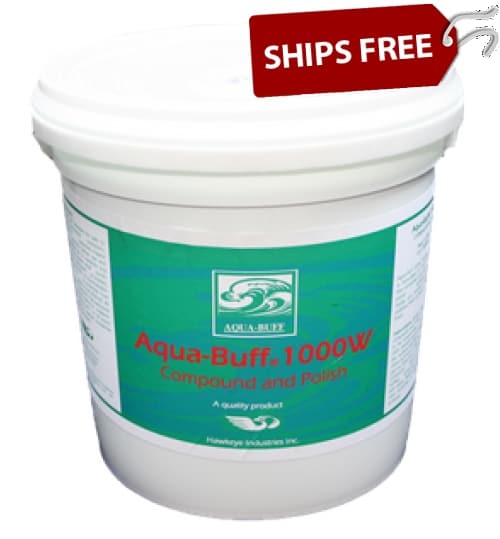
Aqua Buff 1000-W is a polishing compound designed to remove heavy oxidation or sanding scratches from gelcoat. It also cleans variety of surfaces including boat hulls with gelcoat.
Step One: Gather Your Materials
To Burnish a sailboat properly, you’ll need the following materials: • Burnishing Compound • Burnishing Pads • High-Speed Polisher
Step Two: Apply the Compound
Once you have all your materials, it’s time to start burnishing! Begin by applying a generous amount of burnishing compound to the entire surface of the boat. Be sure to work in small sections so that the compound doesn’t dry out before you have a chance to work it in. Once the entire surface is covered, let the compound sit for about 15 minutes.
Step Three: Polish the Surface
After the compound has had a chance to set, it’s time to start polishing! Begin by attaching a burnishing pad to your polisher and turning it on to high speed. Slowly move the polisher back and forth across the surface of the boat until the entire area is evenly polished. You should see a noticeable difference in the finish after just a few minutes! Let the area dry for about an hour before moving on to step four.
Step Four: Wax the Surface
The last step in Burnishing your sailboat is to apply a layer of wax. This will help protect the newly polished surface from dirt, grime, and UV rays. Simply apply a generous amount of wax to another clean Burnishing pad and polish it into the surface of the boat. Let the wax dry for about 15 minutes before buffing it off with a soft cloth. And that’s it! You’re now ready to enjoy your showroom-quality finish.
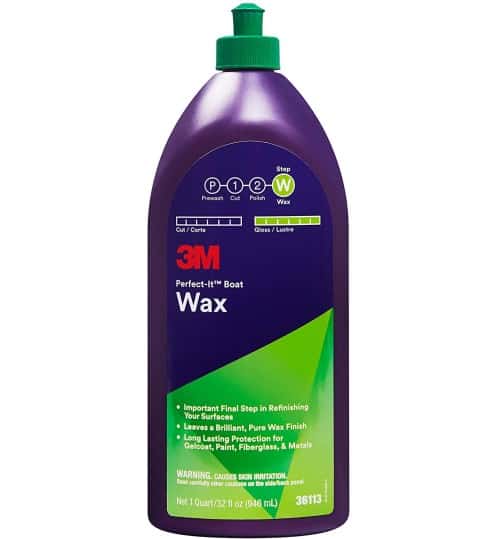
3M™ Perfect-It™ Boat Wax is the final, brilliant step in achieving a truly professional marine finish. Safe for gelcoat, paint, fiberglass and metal.
So there you have it – the basics of burnishing a sailboat for a showroom finish. It’s not as hard as it may seem, but it does take some time and effort to get that perfect shine. By following these simple steps, you’ll be able to buff your boat until she gleams like new. Have fun out there on the open water!
When most people hear the term “Liquid Urethane,” they think of a thick, black substance used for coating surfaces. While this is correct, Liquid Urethane comes in many varieties with different purposes. For example, some Liquid Urethanes are designed to be applied very thin while others are much thicker. Additionally, there are variations in terms of density – some liquids are denser than others – which affects how they should be used. In this blog post, we will look at what Liquid Urethane is, what its various uses are, and how density affects its application.
What is liquid urethane and what are its uses
Urethane is a liquid polymer that has a wide variety of uses. It is used in the production of plastics, coatings, adhesives, and sealants. Liquid urethane is also used as an insulation material and as a filler for composite materials. In addition, liquid urethane can be used to create dental implants and prosthetic devices.
How is liquid urethane density measured?
To measure the density of liquid urethane, you’ll need a graduated cylinder and a weight scale. First, weigh the graduated cylinder on the scale to get an empty weight. Then, fill the cylinder with liquid urethane and weigh it again. Subtracting the empty weight from the full weight will give you the total weight of liquid urethane in the cylinder. To calculate the density, simply divide this weight by the volume of liquid urethane in the cylinder. This will give you a density measurement in grams per cubic centimeters (g/cc).
The density of liquid urethane is measured in a variety of ways, depending on the intended use of the urethane. For example, the weight per gallon is often used to calculate the costs of shipping and handling. The pound per cubic foot is also used to calculate the volume of urethane needed for a given job. In both cases, the density of liquid urethane is calculated by dividing the weight of the urethane by its volume.
What factors affect the density of liquid urethane
The density of liquid urethane can be affected by a variety of factors, including its composition, temperature, and pressure. Urethane is a polymer that can be made from a variety of monomers, or small molecules. The type of monomer used will affect the urethane’s density. For example, using a heavier monomer will result in a denser urethane. Temperature can also affect the density of liquid urethane; as temperature increases, the urethane will expand and become less dense. Finally, liquid urethane is usually stored under pressure to keep it from expanding. If the pressure is too high, the liquid urethane can become dense and difficult to work with. By understanding these factors, it is possible to control the density of liquid urethane and choose the right product for your needs.
There are many factors that can affect the density of liquid urethane. The first is the temperature of the liquid urethane. The colder the liquid urethane, the denser it will be. The second factor is the pressure of the liquid urethane. The higher the pressure, the denser the liquid urethane will be. The third factor is the type of liquid urethane. Some types of liquid urethane are denser than others. The fourth factor is the amount of liquid urethane. The more liquid urethane there is, the denser it will be. Finally, the fifth factor is the presence of impurities in the liquid urethane. If there are impurities present, they can make the liquid urethane denser.
Examples of where to use liquid urethane with different densities
There are many different uses for liquid urethane. The material can be used as a sealant, adhesive, or even a casting material. When choosing a liquid urethane, it is important to consider the density of the material. A high-density urethane may be better suited for a heavy-duty application, while a low-density urethane may be more suitable for a lightweight application.
Here are some examples of where to use liquid urethane with different densities:
Use a high-density urethane as an adhesive for bonding metal to concrete.
Use a low-density urethane as a sealant for gaps and cracks around doors and windows.
Use a medium-density urethane as a casting material for creating prototypes or models. No matter what the application, liquid urethane can be a versatile and durable solution. By carefully selecting the right density for the job, it is possible to achieve excellent results.
How to select the right liquid urethane for your needs
How do you know which one is right for your project? Here are a few things to keep in mind: The first thing you need to consider is what you’ll be using the liquid urethane for. There are different formulas for different applications, so you need to make sure you get the right one.
Next, think about the properties you need your liquid urethane to have. For example, do you need it to be clear or opaque? UV resistant? Heat resistant? Each type of liquid urethane has different properties, so it’s important to select the one that best meets your needs.
Once you’ve narrowed down your choices, it’s time to start testing. The best way to do this is to buy small quantities of each type of liquid urethane and try them out. This will help you see how they perform in real-world conditions and narrow down your options even further.
Finally, once you’ve selected the liquid urethane that’s right for you, make sure to follow the manufacturer’s instructions carefully. This will help ensure that you get the best results and avoid any problems down the road.
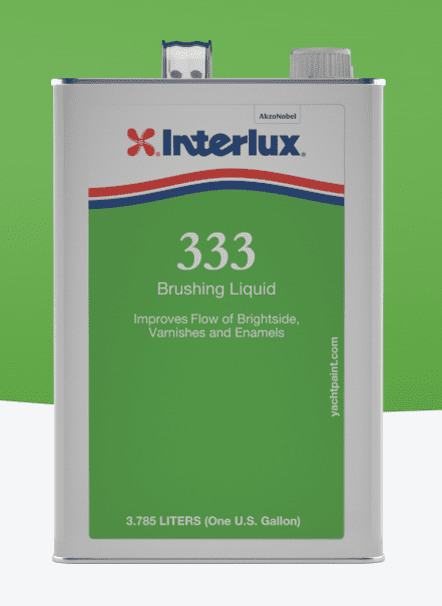
It is important to select the right liquid urethane for your needs to get the best results out of this versatile product. By understanding how density factors into its uses, you can be sure to select the correct liquid urethane for your specific project. Bottom Paint Store carries several different liquid urethane products including liquid urethane foam kits, which are a two-component, Isocyanate/Polyol based, pour-in-place, urethane foam system and Interlux Brushing Liquid 333, a slow drying solvent to ease brushing and facilitate the flow of specified paint coatings.
If you need additional information or ordering assistance on these liquid urethane products call our customer service team Monday through Friday 9:00 a.m.-5:00 p.m.
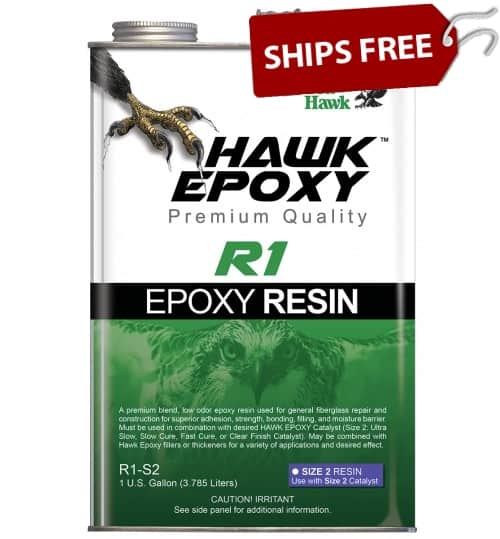
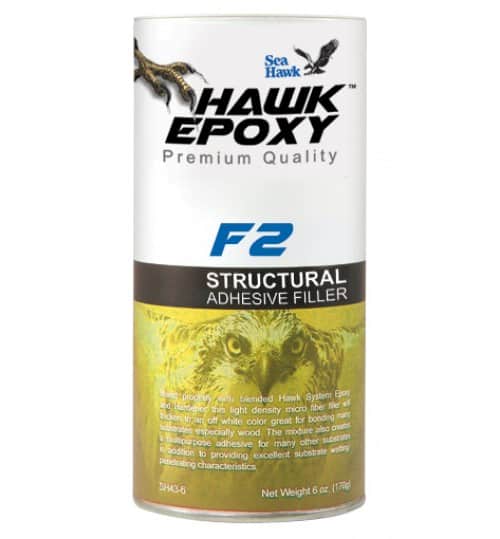
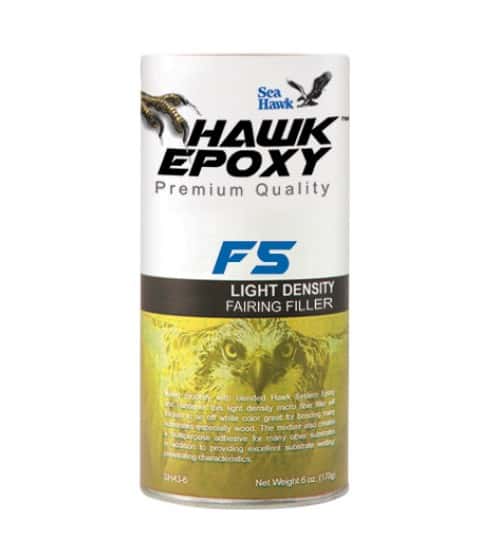
If you’re a boat owner, there’s a good chance you’re familiar with Hawk Epoxy by SeaHawk Paints; however, did you know there are several diverse ways to use it? In this post, we’ll take a look at some of the different ways Seahawk Hawk Epoxy can be used to keep your boat in top condition. So, whether you’re a beginner or an experienced boater, read on for some helpful tips!
What is epoxy?
Epoxy is a type of adhesive that is commonly used to bond two surfaces together. It is made up of a resin and a hardener, which are mixed together to form a tough, durable bond.
Unlike other sealants, epoxy is able to form a strong bond with the surface it is applied to, making it an ideal choice for sealing concrete, metal, and glass. Epoxy is also resistant to temperature changes and UV light, making it ideal for use in outdoor applications. In addition to its practical benefits, epoxy can also be used to create interesting visual effects. When applied to a surface in thin layers, epoxy can create a marbled or even tie-dye effect. As a result, epoxy is a versatile material that can be used for both functional and decorative purposes.Epoxy is typically used for repairing metal, plastic, and glass.
It can also be used for bonding wood, concrete, and ceramic. Epoxy is available in both liquid and powder form. The liquids are typically used for small repairs, while the powders are better suited for larger projects. Epoxy is typically applied with a brush or roller. Once it has been applied, it needs to be allowed to cure for 24 hours before it can be used.
Hawk Epoxy can be used as a sealant to protect surfaces from water and other elements.
Fairing Hull Imperfections with Hawk Epoxy
Let’s face it, our boats take a beating. They’re exposed to the sun, the salt, the waves, and the wind on a daily basis. So, it’s no wonder that even the best-kept boats can start to show their age after a few years. One of the most common problems is fairing hull imperfections. These are small cracks or indents in the gelcoat that can make your boat look old and worn. But don’t despair, there is a simple way to fix this problem with hawk epoxy. Hawk epoxy is a two-part epoxy resin that you mix together to create a putty-like substance. Once it’s mixed, you can use it to fill in any cracks or indentations in your hull. It dries hard and sets fast, so you can sand and paint over it once it’s dry. And best of all, it’s very affordable. So, if your boat is starting to look a little worse for wear, don’t worry, just grab some hawk epoxy, and give your boat a facelift.
Patching Holes in a Boat with Hawk Epoxy
There’s nothing worse than getting your boat out on the water only to find that it’s taking on water. Fortunately, patching holes in a boat is relatively easy to do, as long as you have the right materials.
Hardware Replacement Adhesion with Hawk Epoxy
Hawk epoxy’s two-part epoxy provides a strong, permanent bond and can be used on a variety of materials, including metal, glass, ceramic, and plastic. And it sets in just minutes, so you won’t have to wait around for hours for it to dry. Plus, it’s easy to use – just mix the two parts together and apply it to the surfaces you want to bond.
Hawk Epoxy Proper Measuring and Mixing
Anyone who has ever worked with epoxy knows that it is crucial to get the measuring and mixing process exactly right. Too much or too little of either ingredient can ruin the entire batch, and that can be a costly mistake. Hawk Epoxy strives to make the measuring and mixing process as simple and foolproof as possible. Our epoxy products come with clear instructions and easy-to-use tools that make it easy to get the perfect mix every time. If you follow the provided instructions, you can be confident that your epoxy project will turn out just the way you want it to.
Applying Hawk Epoxy
Hawk epoxy is specifically designed for use on boats, and it’s perfect for patching small holes. The epoxy comes in two parts that you mix together, and then it can be applied directly to the hole. Sometimes, you need something more than just epoxy resin. That’s where Hawk epoxy fiberglass cloth and mat come in. The cloth and mat help to reinforcing the epoxy, making it stronger and more durable. They can be used to repair cracks, leaks, or holes in a variety of surfaces, including concrete, metal, glass, and wood. Best of all, the cloth and mat are easy to apply and can be cut to fit any size or shape. So, whether you’re patching up a small crack or fixing a large hole, Hawk epoxy fiberglass cloth and mat can help you get the job done right. First, clean the area around the hole with sandpaper to make sure that the epoxy will adhere properly. Then, mix the epoxy according to the instructions and apply it to the hole. Once it dries, the epoxy forms a strong bond that will keep the hole sealed. It is important to note that the curing time may vary depending on your temperature and humidity levels. Once properly applied and cured your boat will be good as new – no leaks guaranteed!
Sealing a Fiberglass Hull with Hawk Epoxy
Sealing a fiberglass hull with epoxy is a great way to extend the life of your boat. Epoxy is a strong, durable material that will create a waterproof barrier between the hull and the water. It is important to properly prepare the surface before applying the epoxy, and to follow the manufacturer’s directions closely. Once the epoxy has been applied, it is important to allow it to cure properly before using the boat. With proper preparation and care, sealing a hull with epoxy will help to keep your boat in good condition for many years to come.
How to apply Hawk Epoxy
Epoxy is a type of synthetic resin that is often used as an adhesive or coating. It is typically made up of two parts that are mixed together and then cured to form a hard, durable finish. Hawk Epoxy by SeaHawk paints is a two-part epoxy that can be used for a variety of applications, including bonding, coating, and laminating. Before using Hawk Epoxy, it is important to read the instructions carefully and to follow all safety precautions. Once you have mixed the two parts of the epoxy together, you will have a limited time to apply it before it begins to set. For best results, apply the epoxy to a clean, dry surface and use a brush or roller to spread it evenly. Once it has been applied, the epoxy will need to cure for 24 hours before it is fully cured. However,
Hawk Epoxy is a versatile product that can be used in many different ways. We’ve highlighted just a few of the potential applications for this amazing adhesive. If you have questions for how to use Hawk Epoxy or need help bringing your boat painting project to life, contact the Bottom Paint Store customer service team Monday through Friday 9-5 EST 888-505-2313.
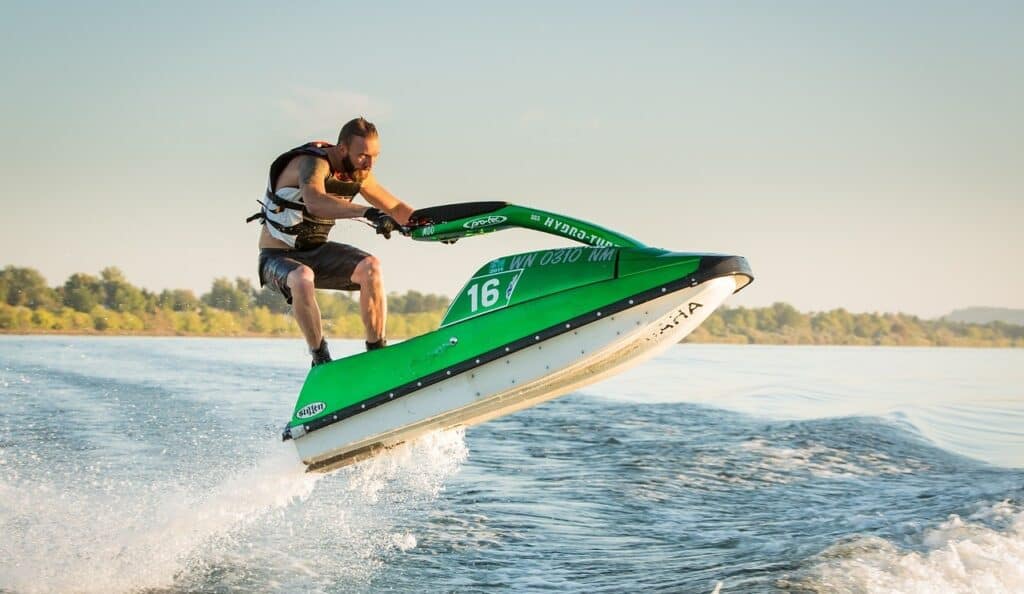
If your jet ski or waverunner hull is made of fiberglass then gelcoat can be an excellent restoration option. Gel coating a jet ski is a great way to keep it looking new and protect the surface from scratches and dings. It’s also a relatively easy process that most people can do in a few hours. In this blog post, we’ll walk you through the steps of how to gelcoat a jet ski. We’ll also provide some tips on how to make the process go as smoothly as possible.
What is gelcoat and what does it do
Gelcoat is a type of resin that is used as a protective coating on many boats, jet skis, and wave runners. It is applied to the hull of the vessel in order to provide a shiny, smooth finish. In addition to its aesthetic benefits, gelcoat also helps to protect the hull from UV damage, scratches, and other types of wear and tear. In some cases, gelcoat can even help to repair minor damage to the hull. As a result, gelcoat is an essential part of any boat or jet ski owner’s arsenal. While gelcoat can help extend the life of your jet ski or wave runner, it is not indestructible. Over time, it can become dulled or scratched, and it may eventually need to be replaced.
How to clean and prep the jet ski surface before you start
To clean the jet ski, you’ll need a mild soap, a soft cloth, and a jet ski brush. Start by mixing the soap and warm water in a bucket. Then Wet the jet ski with the soapy water and use the brush to scrub away any dirt or grime. Rinse the jet ski off with clean water and dry it with a soft cloth. For tough grease and dirt spots you can use a degreaser. This will remove any dirt, grime or grease that could prevent the paint from adhering properly.
Finally, inspect the jet ski for any cracks, chips or other damage. If you notice any of these, make sure to get them repaired before applying gelcoat. Use a fine-grit sandpaper to smooth out any rough spots. Gel coat repair kits, scratch patch kits, gel coat paste, fiberglass repair kits come with everything you need for small repairs.
Applying the gelcoat to your jet ski, wave runner
Applying gelcoat to a jet ski is a great way to protect your investment. Gelcoat is a clear or colored coating that is applied to the surface of a jet ski to protect it from the elements. It is also used to give the jet ski a high gloss finish. Gelcoat is available in both spray and brush-on versions. The brush-on version is generally easier to apply, but the spray version will give you a more even coverage. When applying gelcoat, be sure to follow the manufacturer’s instructions carefully. In general, you will want to apply several thin coats rather than one thick coat. Be sure to allow each coat to dry completely before applying the next one. Once the gelcoat has been applied, you will need to buff it out to achieve a high gloss finish. Once the final coat of gelcoat has been applied, the jet ski should be allowed to cure for 24 hours before being launched.
It’s important to choose the right gelcoat. There are dozens of different formulations on the market, so it’s important to do your homework and consult your owner’s manual. Once you’ve selected the right gelcoat, the next step is to apply it correctly. One common mistake is to apply too much gelcoat, which can lead to runs and sagging. It’s important to apply a thin, even coat and then allow it to cure properly before sanding or buffing.
With these tips in mind, your gelcoat project should be easier. Just remember to take your time and follow all instructions carefully, and you’ll soon be enjoying your jet ski on the open water. If you have any questions about selecting the right gel coat for your watercraft, please call the Bottom Paint Store customer support team 888.505.2313.
We strive to provide outstanding customer service. The following reviews were collected by Verified Reviews, an independent third party that specializes in the collection, moderation and display of ratings and reviews from actual customers. Below are some of the 5 star reviews from our customers.
Amazing fast quick customer service! Wry friendly and they had all my previous orders pulled up and on hand when I called which made the entire process seamless and fast! Love these guys! Chandler F.
Very friendly and helpful. They came through for me, and I really appreciated it. Mike T.
Dustin was extremely helpful, knowledgeable and personable when helping me with my order. Daniel W.
Outstanding service and response, excellent pricing too. Robert T
Great to deal with, super fast shipping Sven J.
Great customer service. We had a shipping error on the original order, and they corrected if promptly and hassle-free. Highly recommend! Chris J
Prompt and attentive service…. Well Done ! Gene I.
Received my order in a timely manner Michael L.
Talked to Hey personnel answered all my questions what is very patient couldn’t ask for anything better Jerry Y.
Fast shipping. Exactly what I wanted. I would recommend Tim R.
The bottom paint store is first rate. Product arrived in a few days and was well packed, and I can’t argue with the price along with free shipping. Donald R.
Appreciate the quick delivery. Greg R.
Quick and outstanding packaging it was shipped in. William S.
Easy, ordered by phone. Talked with assistant and made order. Two Fisted Great service,fast shipping very pleased Tom R.
Site was easy to order. Especially liked the chat when I had a question, was promptly answered. Cheryl D.
I’ve not used it yet, but the purchasing experience was fast and effortless and the delivery was on time and reasonable. I’m happy with my decision to use this store to get my paint quickly with no issues. Thank you ! Cindi C.
Everything went according to plan. The only issue I had was I did receive a tracking number but I believe it has to do with permissions in my e-mail client. I called for help and the gent was right on it. The product was shipped and arrived in a timely manner. BPS is now in my contacts folder for paint…..Greg M.
Competitvely priced, quick delivery, have used them many times and always good service. Ken C
Great business, and prompt customer service. Victor M.
Finding the product I wanted was simple and fast. Checkout was a breeze. I will definitely purchase again from bottom paint store.com Greg T.
Great service and quick shipping Kurt J.
I’ll definitely br ordering from you again! Ginger T.
Informative, easy ordering, on time delivery. Richard K.
Quick fast delivery. Mark L.
Mark Lanzotti Lennie S.
Site is easy to navigate and find the bottom paint I wanted. Checkout was easy also. Lennie S.
Excellent customer service Theodore S.
Good products at the right price Richard S.
Always professional, great prices and service.
The order was processed and shipped promptly and received the 3 gallons of paint in 2 days. The can lids were secured with small clamps, as required, and protected with specially designed one- and two-gallon styrofoam packs that fit the cardboard boxes perfectly and did not allow for movement of the cans. The prices were $40 lower per gallon than the pricing I could get with a 40% discount from West Marine. The Sea Hawk Colorkote mixed easily and went on smoothly and time will tell its anti-fouling properties and longevity. Coverage was a bit less than anticipated as 4 gallons would have been best for a 44-foot sailboat, 2 coats. Two people just over 2.5 hours to apply with rollers. Great service and excellent product. – Don P.
Quick and dependable service. Franklin H.
Great company to deal with, even sent me a letter on how to install the bottom paint. – Albert W.
Very user friendly web site. For some reason I wasn’t able to use PayPal to complete the sale. I somehow managed to input the wrong address for delivery. A quick email and the problem was corrected, even as my order was enroute. My first order. Won’t be my last. – Ronald O.
Great customer service. – George N.
Placing the order for the paint on the website was easy. I am working on a 50 year old aluminum flat Jon boat as a project. Bringing back to life. At the point where it needed a paint job. After much research, Bottom Paint Store came on top and Sea Hawk Aluma Hawk. The paint came quick, from Florida to Arizona. Well packaged. Now, as for the paint – it was very thick. Perhaps I should’ve thinned it down. I used a roller and a brush to finish off around and under the ribs. Paint dried quick. By the time I finished one end of the boat, it was ready for the second coat. But the finished product was awesome. The 14’ Jon boat looked new. I used the entire gallon. If I had to do it again, I would thin it down and perhaps use a spray gun. I was satisfied with the quick service and the paint. I do recommend this paint store and “thick” paint. – Raul M.
Website was easy to navigate and my shipment arrived promptly and in good condition. – David L. 5/26/2023
I have had nothing but a good experience with the Bottom Paint Store. Customer Service was very helpful and the number of options more than satisfactory. The only reason I withheld an excellent rating is the CS rep told me you do not carry any coatings for metal swing Kiel’s. – Dennis G. 5/26/2023
Exceptionally fast shipping, very fast email support and they had my hard to find item at a fair price. The Bottom Paint Store is definitely on my list of “go to” vendors. – John N. 5/25/2023
Very fast shipping and everything arrived in great condition. James T. 5/22/2023
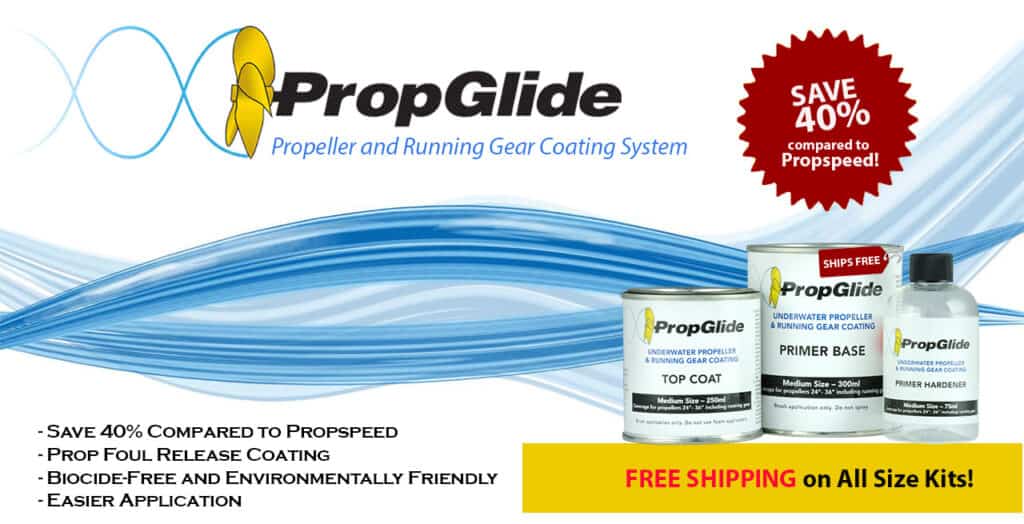
PropGlide USA Corp began its innovative approach to solving the issue of fouling on the props and running gear of vessels back in 2006. Since then PropGlide has perfected the formulation, achieved remarkable results, and has become the best affordable solution for boaters worldwide.
“Great tried something last year and came back to PropGlide this year.- Carl R.
PropGlide is an excellent protective coating for my propellers.- Louis S.
Easy to use. Too soon to comment on how it works. My boat is not yet in the water.- Goes on as described, the prep is the hard part. We will see how it works when I drop it in the water in the new few weeks. Expect it to work as advertised. I ended up with the medium kit and it was way too much for me. 2 – 3 bladed props about 12 inch blades plus the shafts. Better to have too much than too little I guess but next time I will order the small instead of medium.”
“I have used it before and (it) works great.”
“Easier to apply than Propspeed. Almost twice as long between the primer and the top coat.”
“It’s always nice to be able to order and receive in a timely fashion what you need for your boat running gear.”- Curtis S.
“Easy to apply, looks good.”- Greg D.
“Just applied it. We will see how it works during the coming season”.- Shawn H.
“Product works great and is a reasonable price.”
“Excellent. Love this product. Strongly recommend.”
“I have not had time to apply the Prop glide yet. I just received it this evening.” – Mike Z
“Good product. Less expensive than PropSpeed. Great price”!
“Product works well on running gear when applied properly. Follow instructions on application”.- Charles O.
“Works as advertised”.- Raymond R.
The following testimonial was provided outside of Verified Reviews.
“We applied PropGlide to the propellers and rudders on our 42′ power catamaran in March 2016. We have found excellent results so far with very little growth appearing on the running gear. We have been able to maintain great boat speed, excellent economy and no vibrations unlike previous years with using other products. Our Applicator has even commentated how much easier PropGlide is to apply compared to its competitors.” – Mick M.
If you have any questions about foul-release coating systems for your underwater propellers and running gear please see our numerous how to articles on PropGlide or you can call our technical support team 888-505-2313.
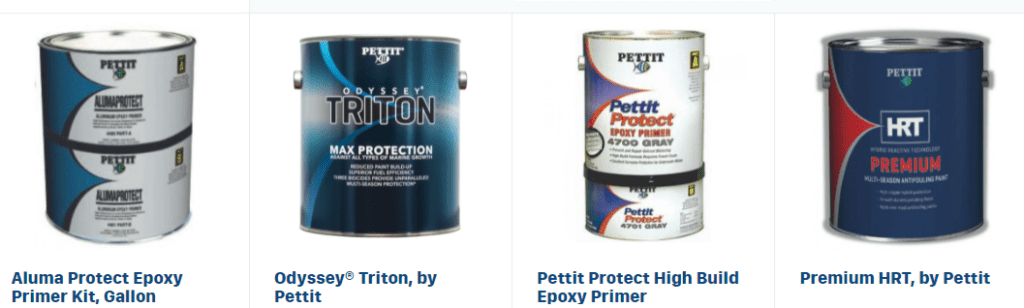
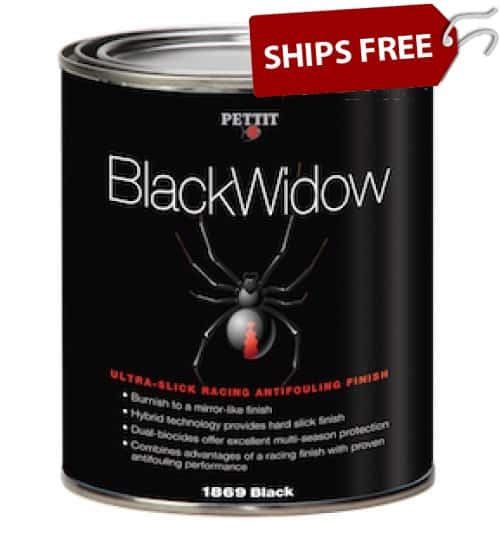
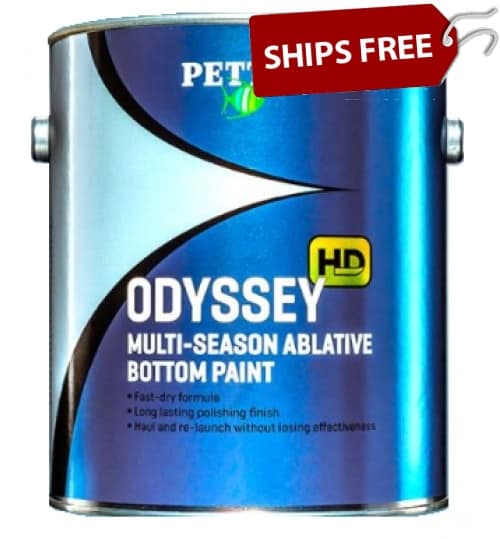
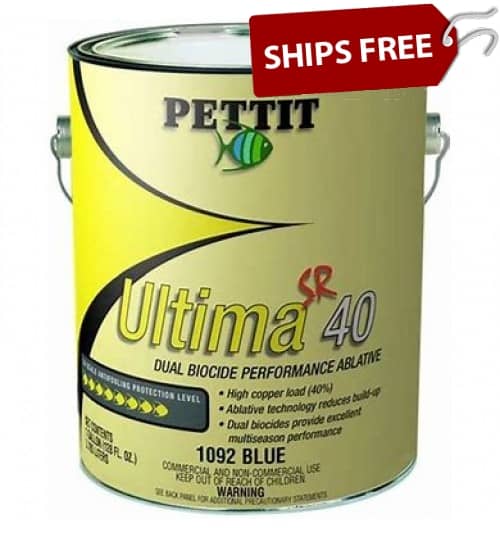
Pettit Marine Paints offers a number of high-performance products, from topside paints to antifoulant bottom paints and everything in-between, some brand names include Trinidad, Easypoxy, Odyssey, Triton, and Black Widow covered. Pettit Paints plant is located in Rockaway, New Jersey, and its products are available throughout the world.
Below are some of the Pettit Reviews we have received from customers through Verified Reviews, an independent rating service.
We first used Pettit Trinidad Pro on my sail boat in 2014. Now in 2021 a full 7 years later we have to repaint. Probably should have repainted last year but regardless of 7 years or only 6 years of effective coverage its amazing. Virtually no bottom growth for 6 years – WOW. This would be my permanent choice for bottom paint if Pettit were not finally giving up the fight. – Michael H
The delivery was fast but the gallon can was badly damaged due to the weight of the product inside. Nothing wrong with the contents and the package did have a red warning label Do Not Drop. Can’t blame the store, just the shipper. – Robert K
Went on thin but easily. Definitely needs two coats as the sanding/buffing to bring out the best in the product was worn through on edges/thin spots. Seems very slick….first time trying this one.
I will know more later in the summer and beyond. I am hopeful that it is as good it sounds. I tried a roll and tip method for applying the two coats of paint, and it sets up too quickly for that, so I think it would be applied better by either roller or brush alone.
Product worked as expected I will rate the results when I haul the boat in the fall. salvatore s. published on 03-06-2023
Went on somewhat easily, but make sure you mechanically stir the solids in. No amount of mechanical shaking will break up the mass in the bottom of the can. Hopefully it holds up OK. Not expecting long term, but 9-12 months would be nice. Aaron G. published on 07-26-2022
It works, it really does. Gregory C. published on 04-24-2022
I am very happy with Pettit Prop Coat and especially happy with the brush on quart can availability now. Spray can version is never as good with half or more going into the air and is much thinner. I’ve tried many products and PPC is the best so far. Curtis W. published on 03-10-2022
Product works great.
So far so good, extremely easy to apply, hopefully it will work well. published on 05-24-2021
Use polyurethane paint when you need a high-gloss, durable finish above the waterline with excellent resistance to abrasion, chemicals, and UV exposure.
Choose single-part polyurethane for easier application and maintenance on topsides, decks, and interior surfaces.
Choose two-part polyurethane for maximum durability and long-term gloss retention on high-visibility areas.
Bottom line: Polyurethane coatings deliver superior appearance and toughness, but require proper surface prep and application conditions.
Tip: Polyurethane paints are not antifouling—do not use them below the waterline unless specifically approved for that application.
Quick Answer: What Is Polyurethane Paint Used For?
Polyurethane paint is used when you need a tough, attractive, high-gloss coating that resists UV exposure, abrasion, chemicals, water, and general wear. In marine applications, polyurethane coatings are most often used above the waterline on topsides, decks, cabins, trim, fiberglass, wood, aluminum, and steel surfaces.
For boat owners, polyurethane paint is a strong choice when appearance and durability matter. It is commonly used as a topside paint, clear coat, protective finish, or deck coating, but it is not the same as bottom paint and should not be used below the waterline unless the product specifically says it is approved for that use.
Best Polyurethane Choice by Use Case
Use Case
Recommended Coating Type
Why It Works
Boat topsides
One-part or two-part polyurethane topside paint
Provides gloss, color retention, UV resistance, and a durable marine finish.
High-gloss professional finish
Two-part polyurethane
Offers the best durability, gloss retention, and long-term performance when applied correctly.
DIY boat refinishing
Single-part polyurethane
Easier to apply, easier to touch up, and more forgiving for brush-and-roll applications.
Decks and walkways
Polyurethane deck coating with non-skid additive
Helps protect high-traffic areas while improving traction when a non-skid additive is used.
Marine woodwork and brightwork
Clear polyurethane or polyurethane varnish
Protects wood while enhancing the appearance of teak, mahogany, trim, and interior wood surfaces.
Bilges, machinery, or equipment areas
Durable polyurethane coating
Helps resist moisture, chemicals, oil, fuel exposure, and general wear.
Boat flotation or insulation
Two-part polyurethane foam
Used for flotation, insulation, soundproofing, and filling hard-to-reach spaces.
What to Consider Before Buying Polyurethane Paint
Before choosing a polyurethane paint or coating, consider the surface you are painting, the level of gloss you want, how much durability you need, and whether the coating will be used above or below the waterline. Polyurethane coatings can perform very well on fiberglass, wood, aluminum, steel, decks, cabins, and marine trim, but surface preparation is critical.
Single-part polyurethane paints are usually the better option for most DIY boat owners because they are easier to apply and maintain. Two-part polyurethane coatings are often preferred for professional refinishing jobs where maximum gloss, hardness, and long-term durability are the top priorities.
Common Questions About Polyurethane Paint and Coatings
What is polyurethane paint?
Polyurethane paint is a durable coating that forms a hard protective film after it cures. It is commonly used where surfaces need resistance to abrasion, chemicals, moisture, sunlight, and general wear while still maintaining an attractive glossy finish.
What is polyurethane paint used for on boats?
On boats, polyurethane paint is commonly used for topsides, decks, cabins, trim, rails, fiberglass repairs, machinery, and marine woodwork. It is especially useful above the waterline where a durable, glossy, UV-resistant finish is needed.
Can polyurethane paint be used below the waterline?
Polyurethane paint should generally not be used below the waterline unless the specific product states that it is approved for that application. For underwater hull areas, boat owners usually need antifouling bottom paint rather than a standard polyurethane topside coating.
Is polyurethane paint better than enamel paint?
Polyurethane paint is generally more durable than traditional enamel paint and usually offers better resistance to abrasion, chemicals, UV exposure, and wear. Enamel may still be suitable for certain lower-cost or less demanding projects, but polyurethane is often preferred for longer-lasting marine finishes.
What is the difference between one-part and two-part polyurethane paint?
One-part polyurethane paint is easier to apply and is a good choice for many DIY boat projects. Two-part polyurethane requires mixing with a hardener or activator, but it typically provides a harder, glossier, longer-lasting finish when applied correctly.
Can polyurethane be applied over existing paint?
Polyurethane may be applied over existing paint if the old coating is clean, sound, properly sanded, and compatible with the new product. Always check the manufacturer’s instructions before applying polyurethane over another coating system.
Does polyurethane paint waterproof wood?
Polyurethane paint and clear polyurethane coatings can help seal and protect wood from moisture, but they should not be viewed as a substitute for proper marine wood preparation. For best results, wood should be clean, dry, sanded, and coated according to the product directions.
Is polyurethane paint good for fiberglass boats?
Yes, polyurethane paint is commonly used on fiberglass boats, especially for topsides, cabins, decks, and areas above the waterline. It can provide a smooth, glossy, durable finish when the fiberglass is properly cleaned, sanded, primed, and prepared.
Recommended Polyurethane Products and Related Coatings
Bottom Paint Store carries polyurethane paints, clear coats, varnishes, primers, reducers, and polyurethane foam products for a range of marine applications. Popular options include single-part polyurethane topside paints for DIY refinishing, two-part polyurethane topcoats for high-gloss professional results, clear polyurethane varnishes for wood, and two-part polyurethane foam for flotation and insulation.
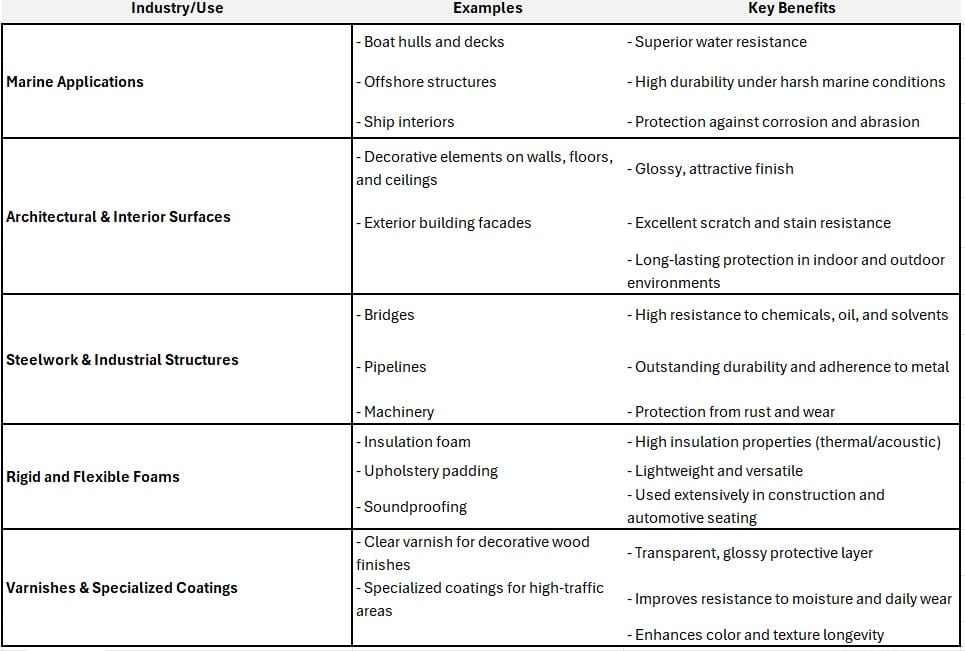
Polyurethane paint, also referred to as PU paint or PU coating, is a durable, highly-resistant coating used in industrial and architectural coating systems. It is popular in the marine industry and is used for numerous applications including coatings, rigid and flexible foams, and varnishes. It is also used in steelwork, concrete, wood, and other substrates.
Polyurethane is a reaction polymer, a combination of a polyol resin and an isocyanate hardener or curing agent. Essentially, a polyurethane coating is a liquid plastic which dries to form a paint-like film on an underlying substance or layer. Polyurethane paint provides durability, resistance to chemicals, water, abrasion, and temperature, as well as an attractive glossy finish. The most common application of polyurethane is as a solid foam, accounting for approximately 60% of all polyurethane produced.
Single-Part vs Two-Part Polyurethane Paint Comparison
Polyurethane marine paints are available in single-part and two-part formulations, each suited to different applications, experience levels, and durability requirements.
Quick takeaway: Single-part polyurethane is ideal for ease and maintenance, while two-part polyurethane delivers maximum durability and gloss when applied correctly.
What is polyurethane used for?
Polyurethane is a versatile material that can be used for a wide variety of applications. It is commonly used in the manufacture of plastics, insulation, and coatings. Polyurethane is also used in the production of adhesives, sealants, and elastomers. In addition, polyurethane is often used as a food additive and as a component in medical devices. Polyurethane is an ideal material for many applications due to its durability, flexibility, and resistance to chemicals and abrasion.
Marine Polyurethane Clear Coat
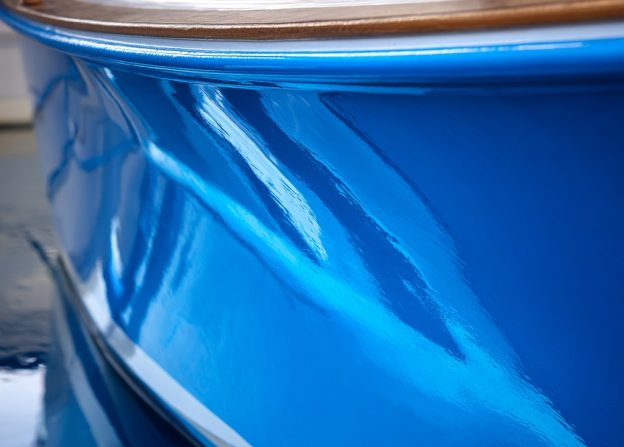
Polyurethane can be used to protect a boats paint and to keep the finish on wooden marine vessels visually appealing and more durable. You can apply polyurethane over any type of paint if it is clean and prepared properly. Polyurethane coatings can be applied to exposed wooden surfaces to create a glossy finish that serves to repel water, resist corrosion, and protect from scratches, stains, and UV damage.
By choosing the right formulation of polyurethane paint or coating, you can achieve a balance of durability, resistance to harsh elements, and an attractive finish.
Top 10 Marine Uses for Polyurethane Paints and Coatings
Polyurethane coatings are prized in the marine industry for their high-gloss finish, UV resistance, and long-term durability. From protecting fiberglass hulls to sealing teak brightwork, polyurethane can handle nearly every above-water challenge on a boat.
1. Boat Hulls and Topsides
Two-part marine polyurethanes create a mirror-smooth, durable surface that resists fading, chalking, and scuffing. Ideal for fiberglass, aluminum, and steel hulls.
2. Decks and Walkways
Polyurethane’s abrasion resistance and flexibility make it excellent for high-traffic deck areas. Non-skid additives can be mixed in for traction.
3. Masts and Rigging Components
Lightweight aluminum spars and hardware benefit from polyurethane’s UV protection and corrosion resistance—keeping bright finishes glossy for years.
4. Engine Rooms and Bilges
Moisture, fuel, and oil exposure demand a tough coating. Polyurethane resists chemicals better than standard enamels while maintaining color stability in confined, humid spaces.
5. Metal Rails and Fittings
Brushed-on polyurethane seals out salt spray and oxidation on stainless or powder-coated surfaces. It also provides an extra barrier against corrosion.
6. Marine Woodwork and Brightwork
Clear polyurethane varnishes showcase the natural grain of teak and mahogany while blocking UV and moisture. Excellent for cap rails, trim, and companionways.
7. Fiberglass Repair Overcoats
After structural repairs or gelcoat restoration, polyurethane provides a tough, glossy top layer that resists chalking and color fade.
8. Tops of Cabins and Superstructures
White or light-colored polyurethane coatings help reflect heat, keeping cabins cooler and reducing maintenance cycles on large vessels and yachts.
9. Marine Equipment and Machinery
Apply polyurethane to generators, cranes, and deck machinery for a resilient surface that handles vibration, oil, and salt exposure without flaking.
10. Trailers and Dock Hardware
Boat trailers, davits, and dock components coated with polyurethane enjoy exceptional chip and corrosion resistance, especially when exposed to road salt or brackish water.
Pro Tip
For best results, apply polyurethane paints over a compatible epoxy or polyurethane primer. Always follow manufacturer recoat windows and use proper safety gear—these coatings are durable because they’re catalyzed with strong chemistry!
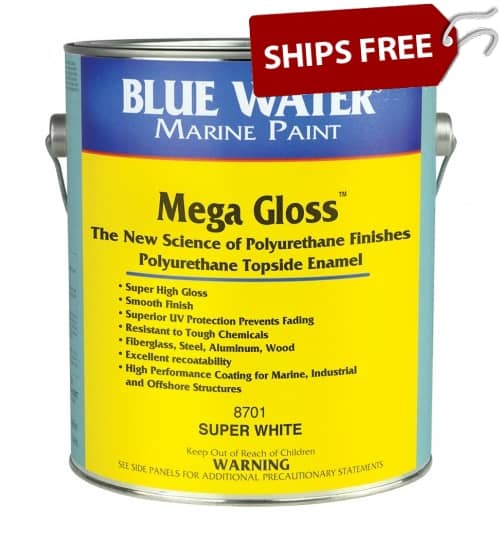
Blue Water Marine Mega Gloss Polyurethane
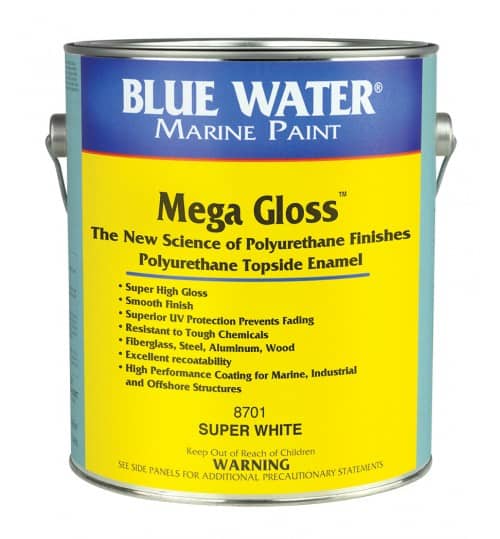
Mega Gloss by Blue Water Marine is a single component topside polyurethane enamel that can be used on fiberglass, wood, aluminum, and steel. It provides a hard protective coating for super high gloss, color retention, and long durability. Mega Gloss is fast drying which when brushed or rolled, it can also be sprayed, and offers a smooth finish, is resistant to tough chemicals, cleaning solutions and ultraviolet light.
Polyurethane Foam Uses
Sea Hawk Polyurethane Foam
Sea Hawk polyurethane foam is urethane foam that provides excellent flotation, soundproofing or insulation. Mixed 1:1 and easy to install in hard-to-reach places. Poly-U-Foam bonds to wood, metal, and fiberglass. It foams wherever it is poured and is impervious to solvents and gasoline. A 2-quart kit will yield 2.5 cubic feet of space. Available in 2lb density. It is advised not to use below 70°F.
Liquid Urethane Foam Kit
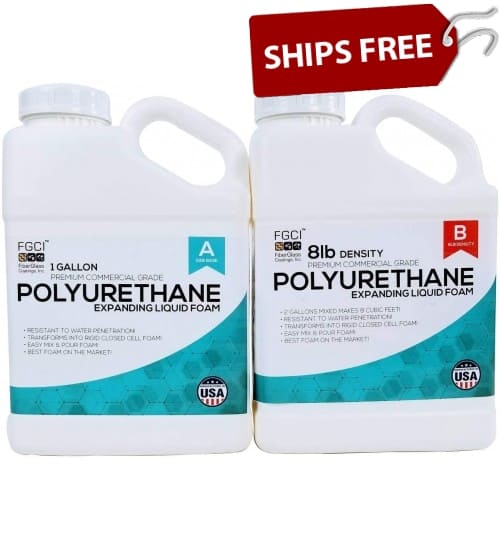
Liquid urethane foam is a closed cell foam that comes in varied sizes, most commonly 2LB, 4LB, 8LB and 16LB densities. This two-part liquid, expanding rigid urethane foam is a closed cell, pourable foam, which will resist the absorption of water. It is the ideal boat foam for structural applications as it is resistant to water penetration and can be used for flotation, insulation, casting, carving, sculpting, sign making and areas where an extremely durable (you can penetrate with a fingernail) while it cannot be dented by hand, making it ideal for support.
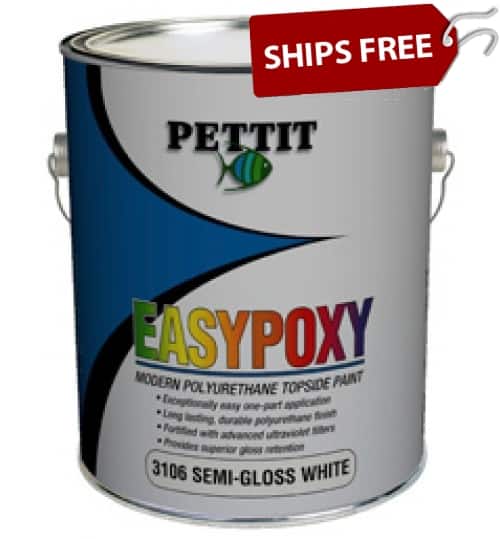
Pettit Easypoxy/ EZ-Poxy
Pettit EZ-Poxy is an advanced one-part polyurethane topside and deck enamel. It’s a high gloss finish flows well when applied with a brush. It is a modern one-part polyurethane topside and deck enamel. It It’s use of silicone provides a brilliant shine and easy brush-ability. Its advanced ultraviolet filters enhance the superior gloss retention and durability of polyurethane. The result is a topside finish that is exceptionally easy to apply, producing a lasting gelcoat-like brilliance with a minimum of effort. It is more economical, requires less effort, and is more forgiving than the competition.
Easypoxy’s innovative ultraviolet filters improve gloss retention and enhance the polyurethane’s durability. This results in an end product that is simple to apply and easily creates an enduring shine and superior gloss retention, similar to that of polished gelcoat. Pettit Easypoxy is available in numerous colors.
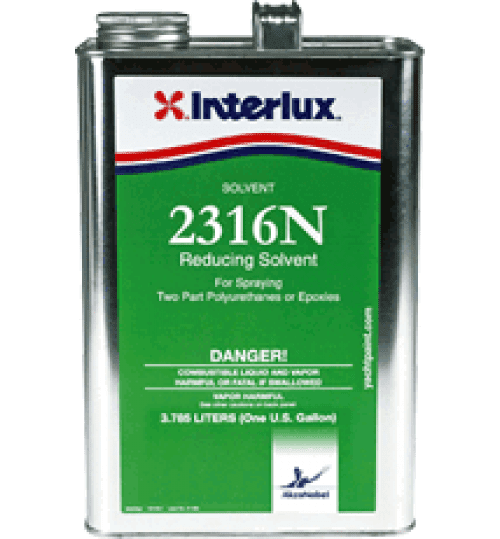
Interlux Spray Reducing Solvent
Interlux’s Reducing Solvent 2316N is for use in specific two-part polyurethane and epoxy products. It is an amazingly effective, fast evaporating solvent. Safe for aluminum outdrives. Refer to the specific product directions for the amount to be used.
Interlux Pre-Kote
Pre-Kote® is a unique V.O.C. compliant, single package, undercoater or primer for use with Brightside® Polyurethane, Yacht Enamels, or anyone-part topside finish. Microspheres give Pre-Kote® superior build and hide while improving flow and sandability. Use anywhere above the true waterline where a coating is needed to provide a smooth, fair surface for overcoating with a topside enamel.
Interlux Goldspar Satin Varnish
Designed for interior wood surfaces, Interlux Goldspar Satin Varnish is a modified polyurethane low luster varnish. It produces a rich satin sheen finish that resists scratches and stains and applies easily enough to yield truly professional results by either brush or spray. It’s low luster finish makes it ideal for cabin soles, cabinets, counters, tables, as well as home interior finishes.
Urethane Paint
Urethane paint was created in the mid-1960s, utilizing newly developed plastics technology, and designed to be superior to enamel paint in terms of durability by mixing pigment with polyurethanes, which act as the binder to hold the pigment molecules together. Semi-gloss urethane paints have been developed, but all urethane paint will have some degree of glossiness, because the same properties that make it resilient also make it reflect light. It has become a staple in the marine and automotive industry because of its durability.
AwlGrip Topcoat
AwlGrip Topcoat is a polyester based high gloss polyurethane topcoat giving long lasting gloss and color retention. It can only be applied above the waterline of your boat by either a brush, roller, or spray. You should apply Awlgrip Topcoat in two coats of 1.5 to 2.5 mils WFT each and allow 16 hours between each coat. Sanding between coats with 280 to 400 grit paper will provide a smoother finish.
Interlux Perfection Plus
Considered by many as the ultimate clear wood varnish, Interlux Perfection Plus is a high-performance clear polyurethane, offering multiple solutions from one product delivering the ultimate in clear wood coating performance. The chemical cure urethane formulation combines with a best-in-class UV and HALS package to offer outstanding chemical and abrasion resistance, and superb gloss and gloss retention. It typically lasts four times longer than conventional one-part varnishes and can is suitable for all woods, including teak.
Sea Hawk Paints is an American manufacturer of premium performance antifouling paints and coatings, dedicated to bringing the highest quality products to boat enthusiasts.
Bottom Paint Store is a proud Sea Hawk paints distributor, and we have received a lot of Verified Reviews from actual customers using Sea Hawk marine paints. Although the reviews are listed on each of our product pages, we thought it would be helpful to share a collection of some of the reviews on one page.
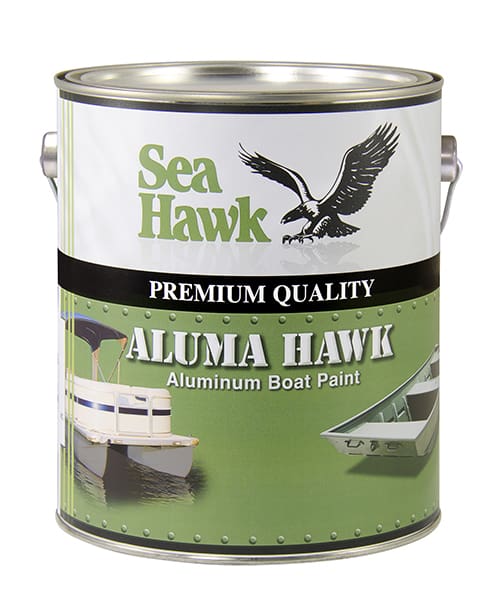
Sea Hawk Aluma Hawk Paint Reviews
Seahawk aluminum boat paint is perfect. No primer required. I’ve used this paint for two years with excellent results. – William E.
Great product. – Kody L.
Very impress with the paint covering, 1 1/2 half gallon for my 20 feet pontoon.- Cristian V.
Adhesion seems better than most paints even when not fully cured. Liking what I see so far. – Mark L.
Great paint and easy to use. Took a little bit longer to dry than expected, but that was mostly a humidity issue on my end. Looks great and it will buy it again if I need some more for anything.- Eddie C.
Haven’t used it yet but I ordered it because of its good reviews on YouTube.- Jesse H. Great product. Bruce D.
Excellent product for my Jon Boat- Dennis E.
Looks great! Sam B.
I learned several things about this paint; 1. Make sure you apply it soon after you receive it. If it’s going to sit for a couple of weeks, you will need to stir it very well to break up chunks in the bottom of the can. 2. Two quarts are not enough to paint the bottom hull of a 14-foot aluminum Jon boat. It will take at least 3 quarts for 1 coat. 3. Wear gloves. If you get this on your hands, it will take longer to get off than regular paints. 4. It takes a week to cure. It says so on the can and I can see that. Even though the paint appears dry after a few hours, it’s still tacky. So, you will need to have some patience. Seriously, this is not like painting other objects like wood. Read all the directions and act accordingly. Keep in mind that this is for boats that will routinely be out of the water. It has no anti-fouling properties, and that’s OK if you’re not going to leave it in the water. Personally, I live in a desert area of Arizona, so not an issue for me. – Kevin P.
The best product for aluminum boats.- Robert D.
Purchased an older small used pontoon for our no motor lake. The bottom crud was like cement and I eventually used a sand blaster wand attachment to my power washer to clean of this crud (unreal). Chose Aluma Hawk paint for the sand blasted pontoons and it worked great. This paint needs to be used in a WELL ventilated area!!! I was outdoors painting with a roller on a calm morning and decided to wait till the wind picked up to finish. Tough durable and easy to use. The green makes it look like its from the military surplus! Love it. Certainly the fish will be confused. LOL.- Keith B.
Smooth application.- Brad H.
Very good paint. – Chris T.
I used a roller went on smooth. – Roger C.
The paint match was pretty close to what the previous owner said he put it on the boat… I only did the transom and some touch up on the sides. Good quality paint for an aluminum boat.- Rich H.
I purchased the Aluma Hawk 7031 lite gray – 1 gallon, which gave me 2 coats on the bottom & 1 coat inside. The factory didn’t recommend spraying the paint, so i rolled it & brushed it on. The paint dries quickly, so you have to work fast to maintain a wet edge. I did small sections at a time to make sure I got even coverage. – Russell S.
Haven’t used it yet. – Joe S.
Love this paint. I painted my jon boat years ago with this stuff. It holds up, doesn’t fall off or fade. Added pods to my boat and had to get another quart. The color matched really well.- Steve K.
Great paint, just needs to be shaken before shipping.- Greg M.
This paint if fantastic! It adhered to my boat very well and it only needed one coat to cover evenly. – Arnold B.
Met all my expectations for painting exterior of houseboat. I strongly recommend!- Marsha M.
Best I ever used on alum!!!!!!!!!!!!!!!!!!!! – Herman B.
The Value is in the Lasting Performance so I shall see. Putting it on, one NEEDS to KNOW what they are dealing with BEFOREHAND as far as Application, in knowing this project should come out perfect. Price of this product should be determined by it’s worthiness over time. Clean Up be SURE to use right Measures and Tools.- Jerry H. Works good, dries well, one quart did a first and second coat on our jonboat.- Lindsey M.
Anticipating the paint will be great- Paul M.
Great products. – D. Mendez
Great product. Best bottom paint I have used yet. Good ventilation required. -Jon B. Awesome- Todd Z.
Paint was as advertised. Very pleased with product. Would highly recommend.- Jerry R. Easy to apply and dried quick, didn’t even really need a second coat but put one on anyway. -Sarah L.
Applying the product now and appears to be coating and covering as described. The painting (job) isn’t complete yet so I can’t comment on life longevity or wearing but satisfied so far. – Jason K.
This appears to be a good quality product but is not real user friendly for DIY due to the fumes and the fact that MEK is needed for clean up. – Douglas L.
So far pretty good, it’s been about six months now since application. I recommend reading the directions very well, it tells you exactly how to thin and apply with the exception of what type of roller to use, I used a 1/4 nap roller but seemed to go on pretty thick. I had to thin it a bit more than what it said in order make it a bit easier, it recommends rolling as best method but I believe spraying would be better. A 16 foot long 5 foot wide vhull took about a gallon and a half to paint but I believe it is because it was going on pretty thick, to spray it says can be thinned 50% but for roller or brush only 10% which seemed to thick and not much coverage, either way you have to move pretty quick because it will flash pretty fast. It dried to touch pretty quick but due to the thickness from rolling it seemed to take forever to fully dry and or cure during which time it was still pretty soft and easily scratched off. After being left to sit and fully cure/harden I will say the stuff seems pretty hard and tough as nails. I used the sand color and if an when the time comes to paint the boat again I would use it again only spray it . I initially bought a gallon and a quart but soon realized it was going to be enough so I bought another gallon and still have about half of it left, I applied two coats to the entire boat both inside and out.- David P.
Great- Todd Z.
The paint went on as expected will have to wait and see how it holds up.- Howard B.
Great product. – Rober P. May 10, 2023
(I) put the first coat on and it’s awesome. Kurt S., May 9, 2023
Paint is as good as it appeared…FOLLOW PREPARATION DIRECTIONS, and the process of painting will go smoothly. We got two coats onto a 16′ boat, did it in a 65 degree garage, used a 6″ foam roller (with some cut-in with a brush), and it looks great! Stephen K. May 8, 2023
Follow the application directions and you will be satisfied. – Brian F. April 23, 2023
Aluma Hawk Boat Paint is the best paint you can buy for DIY. And you can’t go wrong buying it from Bottom Paint Store. 2 great companies come together. James H. April 14, 2023
I used this brand on the outside of my goes on thick dries fast and holds up well. Dan M. March 31, 2023
Good product would buy it again. Martin B. March 26, 2023
Great paint for aluminum boat. This the second order for a second boat. First boat painted 3 years ago still looks great. Put it on as directed and it will work. Clayton D. March 13, 2023
I thought the value was great even though I haven’t used it yet due to my marina being backed up with haul outs so Ill probably get hauled out after hurricane season is over, plus it will be cooler then as well.- Michael W.
The quart I bought was surprisingly heavy but instructions were clear and it was easy to apply. Certainly recommend gloves and a disposable brush. – Peter S.
Boat had never been painted and I prepped and applied 2 coats below the waterline and 3 coats on the waterline . Held up for 2 years in coastal NC waters . Very little growth to remove . Pressure washer blew most of it off . I would call Sea Hawk Cukote a very good product. – D. Bordeaux
After more than 40 years experimenting with different bottom paints on many boats, I’d have to say Sea Hawk paints are the best (least fouling, longest-lasting) ablative paints I have found. – Stephen P.
Quick delivery good pricing. – Robert S.
I kept my sailboat on the Chesapeake in an area with warm brackish water very conducive to barnacle growth. Cukote worked better. – Robert P.
Excellent product. Alfred L.
IMO, this is the best bottom paint. Only requires one coat. – Gerald D.
It is on our boat now and we needed some touch up. – Carol S.
Great product to use on boat bottoms. – Jeffrey R.
Great product and worth every penny!! Joe F., March 3, 2023
Cleaned the surface, highly recommend a fan or 2 when using. Does have strong odor like any reducer or thinner. – Peter P.
A high quality epoxy paint. I will order it again. – Edward O.
Applied well, pretty happy so far! – Sam B.
Love it. Easy to work with and tough when cured ! Easy to wet sand also in prep for color coats ! – James W.
Very easy to use, just follow the directions. I have not put the boat in the water yet, but I don’t forsee any problems. – Sharon T.
The Sea Hawk Tuff Stuff was very easy to work with and the 1:1 ratio made mixing easy and error free. It went on easily and dried quickly so that I could apply 2 coats plus bottom paint In one day on a 46ft. Motor Yacht. The Sea Hawk Tropicoat was also easy to go on ( I recommend thinning as the paint is extremely heavy with copper). It dries quickly and have a hard service in 15 minutes. I am very happy with both products. – George M.
Use gelcoat for surface repairs such as scratches, chips, gouges, and cosmetic damage where the fiberglass structure is still sound.
Prep thoroughly: Clean, grind or sand damaged areas, and remove wax or contaminants before applying gelcoat.
Apply in thin layers and allow proper curing between coats for best adhesion and finish quality.
Bottom line:Gelcoat is ideal for restoring appearance and protection, but structural damage requires fiberglass repair before gelcoat is applied.
Tip:Gelcoat exposed to air will remain tacky—use a wax additive or PVA on the final coat to achieve a full cure.
How Is Gelcoat Used to Repair Fiberglass Surfaces?
Gelcoat is used to repair fiberglass surfaces by filling, sealing, and refinishing the outer cosmetic layer of a fiberglass boat. It is commonly used for small chips, scratches, gouges, spider cracks, worn areas, and cosmetic damage where the fiberglass structure underneath is still sound.
Gelcoat is not a structural repair by itself. If the fiberglass is cracked deeply, soft, punctured, delaminated, or damaged below the surface, the fiberglass laminate should be repaired first with resin, fiberglass cloth, filler, or fairing compound. Gelcoat is then applied as the final protective and cosmetic surface.
Best Gelcoat Repair Method by Damage Type
Fiberglass Damage
Recommended Repair
Why It Works
Light surface scratches
Wet sanding, compounding, and polishing
If the gelcoat is not deeply damaged, the surface may be restored without adding new gelcoat.
Restore with wet sanding, compound, polish, and protection.
Crack exposes fiberglass fibers
No
Repair the fiberglass or fill the damage before applying gelcoat.
Soft, flexible, or spongy area
No
Inspect for deeper laminate or core damage before finishing.
Hole through the fiberglass
No
Rebuild with fiberglass cloth and resin, then fair and gelcoat.
Cosmetic repair above the waterline
Often yes
Color-match gelcoat, apply, cure, sand, and polish.
Repair below the waterline
Sometimes, but not by itself
Repair fiberglass, seal properly, and finish with the correct underwater coating system if needed.
What to Consider Before Using Gelcoat for Fiberglass Repair
Before using gelcoat, determine whether the repair is cosmetic or structural. Gelcoat is excellent for restoring the outside surface of a fiberglass boat, but it should not be used as a substitute for fiberglass cloth, resin, or filler when strength is needed.
You should also consider color matching, cure method, and location. A small white gelcoat repair above the waterline may be straightforward, while a highly visible colored repair may require tinting and careful blending. Repairs below the waterline may require additional sealing, primer, barrier coat, or bottom paint depending on the project.
Common Questions About Using Gelcoat to Repair Fiberglass
Can gelcoat be used to repair fiberglass?
Yes, gelcoat is commonly used to repair the outer surface of fiberglass boats. It works well for chips, scratches, gouges, and cosmetic repairs. If the fiberglass underneath is cracked, weak, or damaged, the structural repair should be completed before applying gelcoat.
Is gelcoat a structural repair?
No. Gelcoat is primarily a cosmetic and protective surface layer. It can seal and finish a repair, but it does not replace the strength of fiberglass cloth, resin, or laminate repair materials.
Can I use gelcoat over exposed fiberglass?
Gelcoat can be applied over properly prepared fiberglass, but exposed or damaged fiberglass may need resin, filler, or fairing compound first. The surface should be clean, dry, sanded, stable, and compatible before gelcoat is applied.
What is the difference between gelcoat repair and fiberglass repair?
Gelcoat repair fixes the outer finish of a fiberglass surface. Fiberglass repair fixes the laminate underneath when the damage is deeper, cracked, punctured, or weakened. Many boat repairs require both fiberglass repair for strength and gelcoat for the final appearance.
Can you brush gelcoat onto a fiberglass repair?
Yes, gelcoat can be brushed onto small fiberglass repairs. Brushing may leave texture or brush marks, so the cured gelcoat is often sanded, compounded, and polished afterward to blend with the surrounding surface.
Do you need wax in gelcoat for repairs?
Wax additive or PVA may be needed when gelcoat is used as a final coat. Unwaxed gelcoat can remain tacky when exposed to air, so the final coat may need an air-blocking method to cure properly.
How do you match gelcoat color?
Start by cleaning and polishing a small area near the repair, then compare the color to a gelcoat color chart, repair kit, or manufacturer color reference. Older gelcoat may have faded, so tinting or blending may be needed for the closest match.
Can gelcoat be used below the waterline?
Gelcoat is used on fiberglass hulls, but a below-waterline repair may also need proper sealing, barrier coat, primer, or bottom paint depending on how the boat is used. Gelcoat is not the same as antifouling bottom paint.
Why did my gelcoat repair stay tacky?
Gelcoat may stay tacky if unwaxed gelcoat was used without PVA or wax additive. It can also stay soft because of incorrect MEKPcatalyst ratio, poor mixing, low temperature, expired materials, or surface contamination.
Do you have to sand and polish gelcoat after repair?
Most gelcoat repairs need sanding, compounding, and polishing after curing if you want the repair to blend smoothly with the surrounding surface. This step removes excess material, smooths the repair, and restores gloss.
Recommended Gelcoat and Fiberglass Repair Supplies
Bottom Paint Store carries gelcoat repair kits, white and colored gelcoat, neutral gelcoat, MEKPcatalyst, wax additive, PVA, fiberglass cloth, fiberglass mat, polyester resin, epoxy resin, fillers, fairing compounds, sandpaper, polishing compound, cleaners, and related application supplies. The right product depends on the size of the repair, whether the fiberglass is structurally damaged, and whether the final surface needs to be color matched, painted, or bottom painted.
It’s no secret that fiberglass surfaces can be extremely fragile and susceptible to damage. Even the smallest nick or crack can quickly become a larger problem, leading to an unsightly and potentially hazardous mess. Fortunately, there is a fix for most common fiberglass issues – gelcoat! This article will explain what gelcoat is, how it can be used to repair fiberglass surfaces, and some of its benefits. Keep reading to learn more!
What is gel coat?
Gelcoat is a specialized resin and is popular as a surface coating in the fabrication and repair of fiberglass-based products and can also be used to patch existing gel coat, fiberglass repairs, and new construction and repair projects. Gelcoat is extremely durable and provides a high-quality finish to visible surfaces making it a popular solution for damages to fiberglass surfaces such as covering up blemishes, patching small holes, filling cracks, and renewing surface shine. Gelcoat is often referred to as a one-stop solution for almost all types of damages on fiberglass surfaces such as, boats, jet skis, wave runners, swimming pools, hot tubs, showers and more.
Gelcoat for Swimming Pools
If you have a fiberglass pool then its surface is made of gelcoat, a liquid-colored resin that is applied to the pool shell. Gelcoat is the considered one of the most durable pool surfaces, typically lasting several decades, depending on maintenance, wear and tear, and the quality of the surface. Concrete pools need to be refinished about every ten years or so.
One of the more common areas of a fiberglass pool that needs to be refinished over time are the pool steps which can fade after exposure to pool chemicals, weather and UV rays. For more information please refer to our How to Gelcoat your Fiberglass Pool Steps article.
Gelcoat for Shower Stalls, Bathtubs, and Hot tubs
Cracks, holes, chips, and stains in showers and tubs made from fiberglass can be repaired with gelcoat. A common rule of thumb is if the hole is smaller than 1/2 inch, you should be able to make the repairs yourself; if it is a larger hole, then it may require the replacement of the surface or unit.
Fixing the damaged area requires applying two-part epoxy that hardens to the strength of the surrounding surface.
Gelcoat for a Fiberglass Deck
Applying gelcoat to a fiberglass deck is a great way to protect the surface from UV damage and environmental elements. Gelcoat is a clear or tinted resin that is applied to the surface of the deck, creating a protective barrier. The gelcoat will need to be reapplied every few years in order to maintain its effectiveness. When applying gelcoat, it is important to use a natural bristle brush in order to avoid damaging the fibers of the deck. In addition, gelcoat should be applied in thin coats in order to avoid runs and sags. With proper application, gelcoat can provide many years of protection for your fiberglass deck.
One of the most common ways to refinish a fiberglass deck is with a two-part polyurethane, as the results will provide a finish that will look as good as and should last at as long as the original gelcoat.
Re-gelcoating a Boat Fiberglass Hull
Regularly waxed gelcoat can last up to 15 years, depending on how well you take care of your boats hull and exposure to UV rays. If your hull is showing signs of damage such as cracking or is no longer retaining its gloss, and has chalky white powder on the surface, then it is time to re-gelcoat your hull. Dewaxer is perfect for dewaxing the hull and effectively cleaning up paint supplies.
Repairing a Fiberglass Boat
Repairing a fiberglass boat is not as difficult as it may seem. In fact, with the right materials and some basic knowledge, you can easily repair gelcoat cracks and holes. The first step is to clean the area around the crack or hole. This will help to ensure that the repair area is free of debris and dirt. Next, use a gelcoat patch kit to apply a thin layer of gelcoat to the damaged area. Once the gelcoat has cured, sand it down until it is flush with the surrounding area. Finally, apply a fresh coat of paint to protect the gelcoat from UV rays and weathering. With some patience and attention to detail, you can easily repair gelcoat cracks and holes yourself.
Be Prepared for your Gelcoat Project
Using gelcoat can be an excellent solution for repairing and renewing fiberglass-based surfaces. Gelcoat is sometimes referred to as marine paint for fiberglass, however it is not a paint, so if you are unfamiliar with applying gelcoat, please see our numerous how to articles as it can be difficult to apply and achieve optimal results for first time users. You can also contact Bottom Paint Store’s technical team from 8:30-5:00pm EST Monday through Friday.
Pettit Marine Paint was established back in 1923 and is a manufacturer of a variety of boat paint including marine coatings, antifouling boat bottom paint, varnish, and epoxies. Pettit is a subsidiary of RPM International Inc. and Pettit Marine Products are just one of the many leading brands represented by RPM, including household names su Read.
Pettit Marine Paint offers a wide variety of products in both solvent-based and water-based formulas to meet the needs of boaters around the world. They also offer a variety of specialized coatings for boat hulls, topsides, decks, and interiors. Pettit Marine Paint is committed to providing their customers with the highest quality products and services possible.
Hard Modified Epoxies – The active ingredient leaches out while the paint film stays mostly intact. Leaching Coppers lose performance as time goes by and must be repainted after dry storage.
Pettit Easypoxy is an advanced single-stage topside polyurethane and deck enamel. It has a superior high gloss finish and flows well when brush applied. Easypoxy’s innovative ultraviolet filters improve gloss retention and enhance polyurethane’s durability.
Captain’s Satin Sheen Varnish V-975 is widely esteemed for its reliability, multi-purpose application, fast-drying capability, and superior durability.
Ablatives – (Ultima and Hydrocoat Technology) Ablative polymers paints wear away with use exposing new biocides, both the biocides and the paint film disappear over time. Ablative Polymers can be used multi‐season and maintain a more steady performance throughout their useful life.
Pettit Black Widow Racing Antifouling is the slickest, fastest, ultra-smooth, burnishable racing finish available. Its powerful dual biocides provide multi-season protection in all waters. Black Widow is easily applied by roller, brush, or spray and is easily burnishable to a metallic “gun-metal” shine.
Hybrid – (Vivid Technology) Hybrid antifoulings offering hard paint that does not build up. Hybrid’s work by leaching out the biocides just as a Traditional Leaching Copper does, but once the biocides are gone, the paint film will break down exposing a new layer of biocide.
Trinidad HD, Multi-Season Hard Antifouling Paint provides excellent, long-lasting protection, even under the toughest antifouling conditions. Trinidad HD provides dependable in-water antifouling protection while meeting the 330 gram per liter VOC regulations.
Copper Free – Econea is a non-metal biocide that is extremely effective against hard-shelled fouling organisms including barnacles, hydroids, mussels, oysters, and tube worms.
Odyssey HD multi-season antifouling combines controlled polishing ablative technology with a high copper content to provide a paint film strong enough to handle the tough marine environment from coast to coast. Odyssey HD is compatible over most finishes, is 50 state V.O.C. compliant, and it will not build up over time, leaving running surfaces smooth and clean.
Pettit Odyssey HD multi-season antifouling combines controlled polishing ablative technology with a high copper content to provide a paint film strong enough to handle tough marine environments.
White Copper -(Cuprous Thiocyanate)- requires 50% less copper content than the heavy, dark copper used in conventional antifouling paints. They are the only copper-based paints that are compatible with aluminum.
Low-Density Copper – replaces the core of traditional Cuprous Oxide with environmentally friendly materials found naturally in the ocean.
Irgarol – is used in many dual biocide products, Irgarol is an algicide designed for use in antifouling paints to prevent soft growth such as algae and grasses.
Water-Based (Hydrocoat Technology)- This formula uses water to replace the harsh solvents found in conventional antifouling paints. The product has an extremely low VOC content.
Clean Core Technology – An enhanced paint film that can reduce the amount of heavy metals released into our waters by up to 90%. These new additives have been specially formulated to provide a more “finetuned” and consistent release of the biocides from the paint film. This results in a more effective bottom paint that requires lower biocide levels to deliver full antifouling protection.
Odyssey is available in the following colors: 1299G Blue, 1899G Black, 1399G Green, 1699G Red, 1199G White.
Pettit Marine Paint has been manufacturing and marketing a complete line of high-performance marine paints for over 50 years. Their products are highly regarded and are formulated to provide superior protection against the sun, salt water, and other harsh marine environments. If you have questions about Pettit Paint or need help selecting the right paint for your boat, feel free to contact Bottom Paint Store and out free tech support.
Pettit Ultima® SR-40 features an enhanced formula that utilizes an increased biocide load combined with PTFE to offer an outstanding multi-season control in all types of fouling. SR-40 employs a unique controlled erosion technology to minimize coating build-up and keep underwater surfaces smooth. Its ablative surface wears away with use providing a continuous supply of fresh biocides while eliminating the need for sanding. Ultima® SR- 40 employs a Slime Release technology combining super slick PTFE with a higher copper load for added performance and reduced friction. It can be hauled and re-launched without repainting. Ultima SR-40 is available in red and blue colors and is an excellent choice for powerboats or sailboats with fiberglass, wood, or steel hulls. Formerly sold as Ultima® SR and Horizons® Pro, this formula has a proven track record as one of America’s premium ablative bottom paints. Ultima® SR-40 is an excellent choice for power or sailboats with fiberglass, wood, or steel hulls.
Pettit Trinidad Pro is packaged exclusively for professional applicators through the Pro Coatings line. Due to its dual biocides, with a high 60% copper load, Trinidad Pro offers unprecedented protection. It is a long-lasting, strong antifouling and features a high copper load and slime resistance that provides unprecedented resistance to all fouling. It is a hard protective coating that has excellent adhesion and withstands the toughest abuse. Trinidad Pro is available in black and blue colors and can provide years of dependable service, even if left in the water, and is backed up by the HD (Hull Defense 18 Month Limited Warranty).
If you need assistance selecting the best boat paint for your paint project, contact the technical experts at Bottom Paint Store Monday through Friday 8:30-5:00 pm EST 888.505.2313.
In this article, we will briefly describe some of the different types of boat paint that can be used to repair, restore, protect, and make your boat looks its best.
Quick Answer: What Are the Different Types of Boat Paint?
The main types of boat paint include bottom paint, topside paint, deck paint, gelcoat, primers, barrier coats, varnish, and specialty marine coatings. Each type is designed for a different part of the boat, so the best choice depends on whether you are painting below the waterline, above the waterline, decks, fiberglass, wood, aluminum, steel, or underwater running gear.
For most boat owners, the most important distinction is between bottom paint and topside paint. Bottom paint is used below the waterline to help prevent marine growth. Topside paint is used above the waterline to improve appearance and protect exposed surfaces from sun, salt, moisture, and wear.
Boat Paint Types Comparison
Boat Paint Type
Best Used For
What It Does
Bottom Paint
Hull areas below the waterline
Helps reduce barnacles, algae, slime, and other marine growth on boats kept in the water.
Ablative Bottom Paint
Cruising boats, sailboats, powerboats, and seasonal use
Gradually wears away to expose fresh antifouling protection and reduce paint buildup.
Hard Bottom Paint
Fast boats, racing boats, trailered boats, and boats cleaned regularly
Forms a durable coating that resists scrubbing and can be sanded smooth.
Topside Paint
Hull sides, cabins, trim, and surfaces above the waterline
Provides color, gloss, UV resistance, and protection for exposed marine surfaces.
Deck Paint
Boat decks, walkways, cockpit floors, and high-traffic areas
Protects surfaces from wear and can be used with non-skid additives for better traction.
Gelcoat
Fiberglass repair, restoration, chips, gouges, and cosmetic repairs
Restores or repairs the original fiberglass surface and creates a hard, glossy finish.
Marine Primer
Prepared fiberglass, wood, metal, or old paint before topcoating
Improves adhesion, sealing, and surface uniformity before applying finish coats.
Epoxy Barrier Coat
Fiberglass hulls below the waterline
Helps seal the hull and protect against water intrusion before bottom paint is applied.
Marine Varnish
Wood trim, teak, mahogany, rails, hatches, and brightwork
Protects wood from sunlight, moisture, salt, and weather while enhancing appearance.
Specialty Coatings
Props, running gear, inflatables, aluminum, steel, or specific substrates
Designed for surfaces or conditions that require a specialized coating system.
Best Boat Paint Choice by Project
Project
Recommended Paint Type
Why
Painting the bottom of a boat kept in the water
Antifouling bottom paint
Bottom paint is designed to help prevent marine growth below the waterline.
Painting the hull sides above the waterline
Topside paint
Topside paint provides gloss, color, UV resistance, and weather protection.
Painting boat decks or walkways
Deck paint with non-skid additive
Helps protect high-traffic areas and improve traction underfoot.
Repairing fiberglass chips or gouges
Gelcoat repair product
Gelcoat is commonly used to repair and blend damaged fiberglass surfaces.
Sealing a fiberglass hull before bottom paint
Epoxy barrier coat
Barrier coat helps seal fiberglass before antifouling paint is applied.
Painting aluminum boats
Aluminum-safe primer and paint system
Aluminum requires compatible coatings, especially below the waterline.
Restoring exterior wood trim
Marine varnish or polyurethane varnish
Varnish protects wood while enhancing the natural grain and appearance.
Painting propellers and running gear
Specialty running gear coating
Props, shafts, and running gear need coatings designed for metal, motion, and underwater exposure.
Changing the color of a fiberglass boat
Topside paint or professional marine paint system
Marine paint is often more practical than re-gelcoating for larger color changes.
What to Consider Before Choosing Boat Paint
Before choosing boat paint, first identify where the coating will be used. A paint designed for topsides should not automatically be used below the waterline, and bottom paint should not be used as a general-purpose finish for decks, cabins, or trim. The coating must match the surface, exposure, and purpose.
You should also consider the boat material, existing coating, water conditions, boat speed, storage method, and maintenance routine. Fiberglass, wood, aluminum, steel, and previously painted surfaces may each require different primers, preparation steps, and compatible paint systems.
Bottom Paint vs Topside Paint
Feature
Bottom Paint
Topside Paint
Used Where?
Below the waterline
Above the waterline
Main Purpose
Helps reduce marine growth
Improves appearance and protects from sun, salt, and weather
Finish
May be matte, semi-smooth, hard, or ablative depending on the product
Usually chosen for gloss, color, and appearance
Common Surfaces
Underwater fiberglass, wood, steel, or properly prepared aluminum
Fiberglass, wood, metal, cabins, hull sides, and trim above the waterline
Can It Be Used Interchangeably?
No. Bottom paint is not a substitute for topside paint.
No. Topside paint is not a substitute for antifouling bottom paint.
Common Questions About the Different Types of Boat Paint
What kind of paint do you use on a boat?
The kind of paint you use depends on the part of the boat being painted. Use bottom paint below the waterline, topside paint above the waterline, deck paint for walkways and cockpit areas, gelcoat for fiberglass repairs, and marine varnish for exposed wood.
What is the difference between bottom paint and topside paint?
Bottom paint is used below the waterline to help prevent marine growth. Topside paint is used above the waterline to protect and improve the appearance of hull sides, cabins, trim, and other exposed surfaces. They are designed for different jobs and should not be used interchangeably.
What paint should I use below the waterline?
Below the waterline, use antifouling bottom paint that is compatible with your hull material, existing paint, water conditions, and boat usage. In some cases, a primer or epoxy barrier coat may be needed before applying bottom paint.
What paint should I use above the waterline?
Above the waterline, use marine topside paint, polyurethane paint, enamel, or another coating designed for exterior marine exposure. These paints are made to provide color, gloss, UV resistance, and protection against salt, moisture, and weather.
Can I use regular paint on a boat?
Regular household or non-marine paint is usually not recommended for boats. Marine paints are designed for water exposure, sunlight, salt, abrasion, flexing, and the specific surfaces found on boats. Using the wrong paint can lead to peeling, fading, poor adhesion, or coating failure.
Is gelcoat the same as boat paint?
No. Gelcoat is the original outer finish used on many fiberglass boats and is often used for fiberglass repairs. Boat paint is a coating applied over a prepared surface for protection, color, or antifouling performance. Gelcoat and boat paint are related, but they are not the same product.
Do I need primer before painting a boat?
Primer may be needed depending on the surface, existing coating, and paint system. Primers can improve adhesion, seal repairs, create a smoother surface, and help the finish coat perform properly. Always follow the paint manufacturer’s surface preparation and primer recommendations.
What is the best boat paint for fiberglass?
The best boat paint for fiberglass depends on the area being painted. Use bottom paint below the waterline, topside paint above the waterline, deck paint for walking surfaces, and gelcoat repair products for chips, gouges, or cosmetic fiberglass repairs.
What is the best boat paint for aluminum?
Aluminum boats require coatings that are compatible with aluminum. Use an aluminum-safe primer and paint system, especially below the waterline. Avoid copper-based bottom paints on aluminum unless the product is specifically labeled safe for aluminum use.
How do I know which boat paint to buy?
Start by identifying the surface material, where the paint will be used, and whether the area is above or below the waterline. Then check the existing coating, compatibility requirements, water conditions, and manufacturer instructions before selecting primer, paint, or related products.
Recommended Boat Paint Products and Supplies
Bottom Paint Store carries bottom paint, topside paint, deck paint, gelcoat repair products, primers, epoxy barrier coats, marine varnish, specialty coatings, rollers, brushes, sandpaper, solvents, cleaners, paint removers, and application supplies. The right product depends on your boat material, project type, existing coating, and whether the surface is above or below the waterline.
What Are the Different Types of Boat Paint?
The main types of boat paint include bottom paint, topside paint, deck paint, gelcoat, primers, barrier coats, varnish, and specialty marine coatings. Each type is designed for a different part of the boat, so the best choice depends on whether you are painting below the waterline, above the waterline, decks, fiberglass, wood, aluminum, steel, or underwater running gear.
For most boat owners, the most important distinction is between bottom paint and topside paint. Bottom paint is used below the waterline to help prevent marine growth. Topside paint is used above the waterline to improve appearance and protect exposed surfaces from sun, salt, moisture, and wear.
Boat Paint Types Comparison
Boat Paint Type
Best Used For
What It Does
Bottom Paint
Hull areas below the waterline
Helps reduce barnacles, algae, slime, and other marine growth on boats kept in the water.
Ablative Bottom Paint
Cruising boats, sailboats, powerboats, and seasonal use
Gradually wears away to expose fresh antifouling protection and reduce paint buildup.
Hard Bottom Paint
Fast boats, racing boats, trailered boats, and boats cleaned regularly
Forms a durable coating that resists scrubbing and can be sanded smooth.
Topside Paint
Hull sides, cabins, trim, and surfaces above the waterline
Provides color, gloss, UV resistance, and protection for exposed marine surfaces.
Deck Paint
Boat decks, walkways, cockpit floors, and high-traffic areas
Protects surfaces from wear and can be used with non-skid additives for better traction.
Gelcoat
Fiberglass repair, restoration, chips, gouges, and cosmetic repairs
Restores or repairs the original fiberglass surface and creates a hard, glossy finish.
Marine Primer
Prepared fiberglass, wood, metal, or old paint before topcoating
Improves adhesion, sealing, and surface uniformity before applying finish coats.
Epoxy Barrier Coat
Fiberglass hulls below the waterline
Helps seal the hull and protect against water intrusion before bottom paint is applied.
Marine Varnish
Wood trim, teak, mahogany, rails, hatches, and brightwork
Protects wood from sunlight, moisture, salt, and weather while enhancing appearance.
Specialty Coatings
Props, running gear, inflatables, aluminum, steel, or specific substrates
Designed for surfaces or conditions that require a specialized coating system.
Best Boat Paint Choice by Project
Project
Recommended Paint Type
Why
Painting the bottom of a boat kept in the water
Antifouling bottom paint
Bottom paint is designed to help prevent marine growth below the waterline.
Painting the hull sides above the waterline
Topside paint
Topside paint provides gloss, color, UV resistance, and weather protection.
Painting boat decks or walkways
Deck paint with non-skid additive
Helps protect high-traffic areas and improve traction underfoot.
Repairing fiberglass chips or gouges
Gelcoat repair product
Gelcoat is commonly used to repair and blend damaged fiberglass surfaces.
Sealing a fiberglass hull before bottom paint
Epoxy barrier coat
Barrier coat helps seal fiberglass before antifouling paint is applied.
Painting aluminum boats
Aluminum-safe primer and paint system
Aluminum requires compatible coatings, especially below the waterline.
Restoring exterior wood trim
Marine varnish or polyurethane varnish
Varnish protects wood while enhancing the natural grain and appearance.
Painting propellers and running gear
Specialty running gear coating
Props, shafts, and running gear need coatings designed for metal, motion, and underwater exposure.
Changing the color of a fiberglass boat
Topside paint or professional marine paint system
Marine paint is often more practical than re-gelcoating for larger color changes.
What to Consider Before Choosing Boat Paint
Before choosing boat paint, first identify where the coating will be used. A paint designed for topsides should not automatically be used below the waterline, and bottom paint should not be used as a general-purpose finish for decks, cabins, or trim. The coating must match the surface, exposure, and purpose.
You should also consider the boat material, existing coating, water conditions, boat speed, storage method, and maintenance routine. Fiberglass, wood, aluminum, steel, and previously painted surfaces may each require different primers, preparation steps, and compatible paint systems.
Bottom Paint vs Topside Paint
Feature
Bottom Paint
Topside Paint
Used Where?
Below the waterline
Above the waterline
Main Purpose
Helps reduce marine growth
Improves appearance and protects from sun, salt, and weather
Finish
May be matte, semi-smooth, hard, or ablative depending on the product
Usually chosen for gloss, color, and appearance
Common Surfaces
Underwater fiberglass, wood, steel, or properly prepared aluminum
Fiberglass, wood, metal, cabins, hull sides, and trim above the waterline
Can It Be Used Interchangeably?
No. Bottom paint is not a substitute for topside paint.
No. Topside paint is not a substitute for antifouling bottom paint.
Common Questions About the Different Types of Boat Paint
What kind of paint do you use on a boat?
The kind of paint you use depends on the part of the boat being painted. Use bottom paint below the waterline, topside paint above the waterline, deck paint for walkways and cockpit areas, gelcoat for fiberglass repairs, and marine varnish for exposed wood.
What is the difference between bottom paint and topside paint?
Bottom paint is used below the waterline to help prevent marine growth. Topside paint is used above the waterline to protect and improve the appearance of hull sides, cabins, trim, and other exposed surfaces. They are designed for different jobs and should not be used interchangeably.
What paint should I use below the waterline?
Below the waterline, use antifouling bottom paint that is compatible with your hull material, existing paint, water conditions, and boat usage. In some cases, a primer or epoxy barrier coat may be needed before applying bottom paint.
What paint should I use above the waterline?
Above the waterline, use marine topside paint, polyurethane paint, enamel, or another coating designed for exterior marine exposure. These paints are made to provide color, gloss, UV resistance, and protection against salt, moisture, and weather.
Can I use regular paint on a boat?
Regular household or non-marine paint is usually not recommended for boats. Marine paints are designed for water exposure, sunlight, salt, abrasion, flexing, and the specific surfaces found on boats. Using the wrong paint can lead to peeling, fading, poor adhesion, or coating failure.
Is gelcoat the same as boat paint?
No. Gelcoat is the original outer finish used on many fiberglass boats and is often used for fiberglass repairs. Boat paint is a coating applied over a prepared surface for protection, color, or antifouling performance. Gelcoat and boat paint are related, but they are not the same product.
Do I need primer before painting a boat?
Primer may be needed depending on the surface, existing coating, and paint system. Primers can improve adhesion, seal repairs, create a smoother surface, and help the finish coat perform properly. Always follow the paint manufacturer’s surface preparation and primer recommendations.
What is the best boat paint for fiberglass?
The best boat paint for fiberglass depends on the area being painted. Use bottom paint below the waterline, topside paint above the waterline, deck paint for walking surfaces, and gelcoat repair products for chips, gouges, or cosmetic fiberglass repairs.
What is the best boat paint for aluminum?
Aluminum boats require coatings that are compatible with aluminum. Use an aluminum-safe primer and paint system, especially below the waterline. Avoid copper-based bottom paints on aluminum unless the product is specifically labeled safe for aluminum use.
How do I know which boat paint to buy?
Start by identifying the surface material, where the paint will be used, and whether the area is above or below the waterline. Then check the existing coating, compatibility requirements, water conditions, and manufacturer instructions before selecting primer, paint, or related products.
Boat Paint Selection Checklist
Identify whether the surface is above or below the waterline
Confirm the boat material: fiberglass, wood, aluminum, steel, or inflatable surface
Check the condition and type of existing paint or gelcoat
Decide whether the goal is antifouling protection, appearance, repair, traction, or wood protection
Choose the correct primer or barrier coat when required
Confirm compatibility before painting over an old coating
Check dry time, recoat time, cure time, and launch window
Use marine-grade rollers, brushes, sandpaper, solvents, and safety supplies
Recommended Boat Paint Products and Supplies
Bottom Paint Store carries bottom paint, topside paint, deck paint, gelcoat repair products, primers, epoxy barrier coats, marine varnish, specialty coatings, rollers, brushes, sandpaper, solvents, cleaners, paint removers, and application supplies. The right product depends on your boat material, project type, existing coating, and whether the surface is above or below the waterline.
Topside boat paint is a type of paint you apply above the waterline of a boat. This can include the sides of the hull, deck, as well as interior. Marine topside paints usually consist of one-part polyurethane, two-part polyurethane, and alkyd marine enamel. There are also buffable, two-part acrylic urethanes. Due to the sun’s rays, your boat is vulnerable to UV damage so coating your upper hull and deck with good topside paint can go a long way to protecting your boat.
Blue Water Marine Topside Paints are superior in quality, higher in value and typically, priced better than store brands
Aluminum boat paint can be used for many purposes including to camouflage, decorate, refurbish, or restore and touch up aluminum boat surfaces. Paint that is safe for aluminum and can be applied without a primer and can be used below or above the waterline. If you don’t take care of your aluminum boat, it will eventually start to show its age. One way to keep your aluminum boat looking new is to touch up the paint when it starts to fade or chip. Touching up the paint on your aluminum boat is a relatively simple process.
Aluma Hawk is a high-solids, quick drying corrosion inhibiting coating designed for use on aluminum. It requires no primer and can be applied below or above the waterline with no antifouling characteristics; it also contains dual purpose phenolic resin which makes it possible to use as both primer (for metals) AND topcoat if needed!
Aluma Hawk is a fast drying, high-solids, corrosion-inhibiting coating designed for use on aluminum with no need for a primer.
Duralux Paint is available in a variety of colors to satisfy the most discriminating boat owner’s eye, Duralux offers a complete line of products including enamels and spar varnish. Duralux aluminum boat paint is a solid choice for those who want great protection for their aluminum boat.
Duralux Aluminum Boat Green
Fiberglass coatings usually consist of gelcoat, gelcoat putties, resins, restoration solutions, repair kits, and tools/materials. Gel coats are often used to touch up or repair a boat’s finish. They have a much shorter shelf life and can be a lot more difficult to apply than paint so the manufacturer’s instructions must be carefully followed to ensure a successful result.
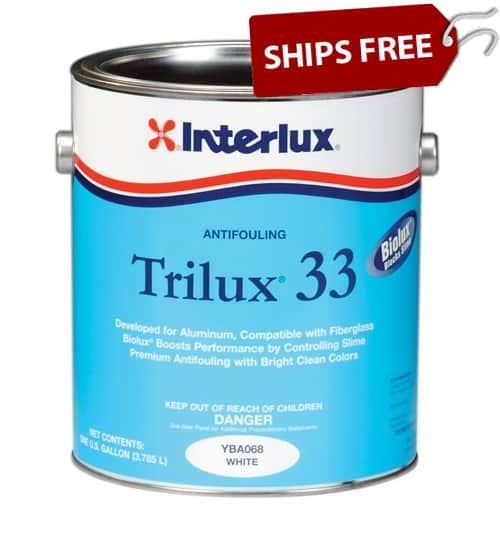
Gelcoat can be used to patch existing gel coat, fiberglass repairs, and new construction and projects.
Wood boat paint typically includes traditional types of oil-based finishes, as two-part paints tend to be less flexible. Because wood can flex and swell, especially along seams, expensive finishes will not last any longer than traditional stain or paint. Teak can be used to prevent fading on a boat’s wood finish. If left untreated, it will often fade which leads to the need to clean or treat the wood so it is not susceptible to rot, mildew, and discoloration.
Just Teak is a simple solution to clean, brighten & protect your teak.
Bottom boat paint is antifouling paint or coating designed to diminish weeds, barnacles, and other aquatic organisms that can attach below the waterline of a boat and cause damage. Bottom paint includes ablative bottom paint, hard boat bottom paint, aluminum safe bottom paint, primers for bottom paint, and boat bottom paint remover.
Biocop bottom paint uses the newest biocide technology which is safe for the environment.
Boat Paint Selection Checklist
Identify whether the surface is above or below the waterline
Confirm the boat material: fiberglass, wood, aluminum, steel, or inflatable surface
Check the condition and type of existing paint or gelcoat
Decide whether the goal is antifouling protection, appearance, repair, traction, or wood protection
Choose the correct primer or barrier coat when required
Confirm compatibility before painting over an old coating
Check dry time, recoat time, cure time, and launch window
Use marine-grade rollers, brushes, sandpaper, solvents, and safety supplies
If you need assistance selecting the right marine boat paint for your next project see Bottom Paint Store’s how-to articles or call our technical support department Monday-Friday from 8:30-5:00 pm EST 888-505-2313.
Repairing a hole on the side of your boat is possible by following this guide and using epoxy resins for wooden boats.
Begin by inspecting the hole for any cracks that extend away from the hole and clearly mark the entire area that needs to be patched. You want to be sure to extend your mark out beyond the damaged area by a few inches.
Hawk Epoxy f2 Structural Adhesive Filler
Cut the marked area with a hand saw making sure the hole is beveled in order to allow layers of fiberglass to fill the hole. Measure the thickness of the hull substrate and multiply it by 10. This is the distance from the hole edges that the bevel needs to accommodate.
Use a power sander with a 50 grit sanding disc to bevel from the whole edge out to your mark. Fiberglass layers are going to be placed on the outside of the hull. Use a flat backing on the inside of the hole to keep the wet fiberglass cloth from caving into the hole.
Next cut six pieces of fiberglass bi-axle cloth with the first piece being the size and shape of the outer edge of the bevel. The final sixth piece being the size of the hole itself. Remember it is important to use fiberglass bi-axle cloth for hole repairs.
Wet out the beveled area of the hole with a mixed epoxy. Lay the cut fiberglass bi-axle cloth on a piece of plastic going from large to small pieces. Make sure to wet each piece as you place them on top of the next piece. When wetted out properly the bi-axle cloth will become transparent. Put the wet out pile of fiberglass bi-axle cloth into a piece of peel ply, with the small pieces down. Next, mix the Hawk epoxy f2 filler and hawk epoxy resin catalyst until you reach a soft butter consistency.
Brush this mixture onto the beveled area of the hull and be sure to center your filler. Wipe off any extra leftover epoxy from the hull, squeegeeing out the air pockets and wiping with a clean cloth that has been dampened with solvent. This will be a lot easier than sanding it off later. Allow the patch to cure for the recommended cure time (overnight is typically sufficient) per the instructions on the hawk epoxy resin can label.
Once it has cured, remove the repair area backing on the inside of the hull. The repair area on the inside of the hull can be left untreated if it will not be exposed to sunlight. Remove blush with soap and water. Next sand off any rough areas on the outside of the hull with 80 grit sandpaper and then sand with 100 grit sandpaper the entire repair area so it is completely smooth (this may require a disc sander if it’s too difficult to sand by hand). You can dust off the area a clean cloth, air gun or brush it off with a clean brush.
F5 Light Density Fairing Filler
Prepare a batch of Hawk epoxy resin and catalyst. Apply coats to the repair area with wet epoxy, with the remainder of the Hawk epoxy resin mixed in the Hawk epoxy f5. Lightly mix filler until density is a medium thickness with no sag consistency.
Next, spread the mixture onto the repair area and squeegee the area until as smooth as possible. Allow the area to cure until you can push the corner of the squeegee into the surface and only a slight indentation remains. Repeat the process with Hawk epoxy mixed resin and f5 light density filler, adding another coat of this mixture onto the repair area. Let this cure for 10 to 12 hours.
Remove the blush with soap and water and sand the repair area with a smooth 80 grit sandpaper.
To add color, mix another small batch of Hawk epoxy and introduce the liquid dispersion as this will seal and fill any low areas. Now that you have a strong and sturdy hull side you are ready for paint!
Primary use: Zinc chromate is a corrosion-inhibiting primer commonly used on aluminum and other non-ferrous metals.
Best applications: Ideal as a base primer under marine or industrial coatings where corrosion protection is critical.
Compatibility matters: Must be applied to clean, properly prepped metal and topcoated with compatible paints.
Bottom line: Zinc chromate helps prevent corrosion and improve paint adhesion, but it must be used correctly and safely.
Tip: Zinc chromate contains hazardous compounds—always follow safety guidelines and local regulations when handling or applying it.
Zinc chromate is used for a wide range of applications. It is an odorless chemical compound primarily used as an industrial paint coating. The compound is a beneficial coating because it is an anti-corrosive and an anti-rust primer. It is primarily used to coat aluminum and iron materials. Developed by the Ford Motor Company during the 1920s, it was historically used on aircraft by the US military during the 1930s and 1940s. It is also widely used as a paint coating for the aerospace and automotive industries, as well as, a coating for boats, due to its ability to destroy organic growth on the surface and to protect aluminum from corrosion.
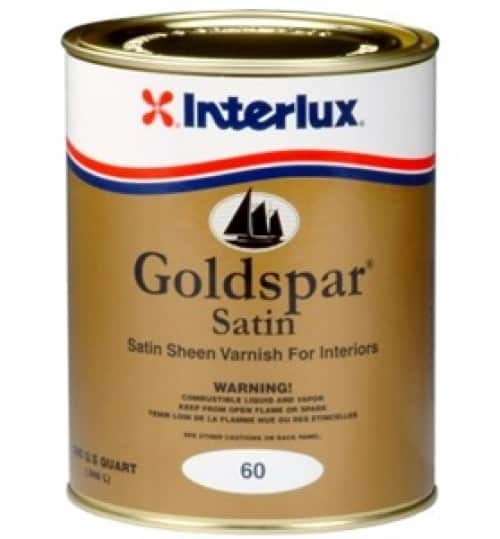
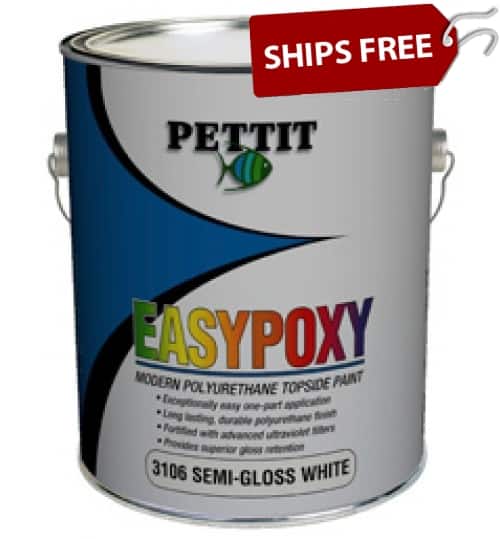
Zinc chromate is on the hazardous substance list and regulated by OSHA because studies have shown that not only is zinc chromate highly toxic, but it is also a carcinogen. It has been cited by ACGIH, NIOSH, DEP, IARC, HHAG, and EPA.
Duralux ZinKromate is a high-quality synthetic primer for use in light to moderate marine exposures. It is lead and chromate free so it is safe to use; however, it offers all of the performance and quality characteristics of zinc chromate without the health and application hazards. It has good chemical and corrosion resistance, dries fast, and allows single finish coat coverage when using a like-colored topcoat. ZinKromate performance primer adheres very well to steel, iron, aluminum, or partially rusted galvanized surfaces.
S-76 Strontium Chromate Tack Coat Primer is for use on properly prepared steel, aluminum, or galvanized steel. S-76 is an anti-corrosive strontium chromate-based primer that is specifically designed for underwater metal surfaces including hulls, running gear, and the lower units of outboards and I/O’s. It provides an excellent barrier to reduce the pitting of the metal from galvanic corrosion.
Stromate Chromate tack coat primer may be used on bare aluminum in conjunction with Tuff Stuff High Build Epoxy to form a barrier for the application of copper-based antifoulants.
If you have any questions about ZinKromate primer or Stromate Chromate tack coat primer, please call our technical expert team at 888-505-2313 Monday to Friday 8 am-5:00 pm EST.